

Table of Contents
- What Are Fifty410 Alternatives for GLP-1?
- Top Fifty410 Alternatives: Comparison Table & Overview
- FDA-Approved GLP-1 Medications: Wegovy, Zepbound & Saxenda
- Non-GLP-1 Weight Loss Medications: Oral & Injectable Options
- Telehealth GLP-1 Providers: Compounded & Subscription Options
- Cost of GLP-1 Alternatives: Pricing & Insurance Coverage
- Natural GLP-1 Alternatives: Lifestyle & Non-Pharmaceutical Options
- Long-Term Sustainability: What Happens After Stopping GLP-1s
Fifty410 Alternatives for GLP-1: Top Options Compared
Last Updated: July 28, 2026
What Are Fifty410 Alternatives for GLP-1?
Fifty410 is a telehealth provider offering compounded GLP-1 medications, but alternatives exist across multiple categories: other telehealth platforms offering compounded GLP-1s at lower cost, FDA-approved injectable or oral medications, non-GLP-1 weight loss drugs with different mechanisms, and medically supervised programs combining medication with behavioral support. The choice depends on your insurance coverage, medical history, budget, and timeline.
This guide breaks down the most viable Fifty410 alternatives, comparing pricing, efficacy, accessibility, and what makes each option distinct. We’ll examine FDA-approved medications like Wegovy and Zepbound, explore other telehealth GLP-1 providers, review non-GLP-1 weight loss drugs, and explain how insurance coverage and long-term sustainability factor into your decision.
The best Fifty410 alternative for GLP-1 depends on three factors: whether you have insurance that covers weight loss medications, your tolerance for injections versus oral medications, and whether you prioritize lowest cost or physician supervision.
Top Fifty410 Alternatives: Comparison Table & Overview

| Provider/Medication | Type | Dosing | Best For | Insurance Coverage |
|---|---|---|---|---|
| MedShape Weight Loss Clinics | Compounded Tirzepatide/Semaglutide | Weekly injection | Physician-supervised, customized plans | Self-pay; some insurance |
| Wegovy (Semaglutide) | FDA-approved GLP-1 | Weekly injection | High efficacy, established safety profile | Varies; often requires prior auth |
| Zepbound (Tirzepatide) | FDA-approved dual-agonist | Weekly injection | Superior weight loss vs. single-agonist | Varies; newer, less coverage |
| Hims & Hers | Compounded GLP-1s | Weekly injection | Budget-conscious, fully online | Self-pay only |
| Cora Health | Compounded GLP-1s | Weekly injection | Lowest starting price, no contracts | Self-pay only |
| Saxenda (Liraglutide) | FDA-approved GLP-1 | Daily injection | Daily dosing preference, faster side effect resolution | Varies; older drug, sometimes covered |
| Contrave | Oral (naltrexone/bupropion) | Twice daily | Appetite/craving control, non-injection preference | Varies; older mechanism |
| Qsymia | Oral (phentermine/topiramate) | Once daily | Stimulant-responsive patients, oral preference | Varies; controlled substance |
| Orlistat (Alli/Xenical) | Over-the-counter or Rx | Three times daily | Minimal systemic side effects, budget option | Often covered; OTC available |
How We Evaluated These Alternatives
We assessed each alternative across six criteria: clinical efficacy, cost transparency, insurance coverage likelihood, mechanism of action, administration method, and physician oversight level. FDA-approved medications carry regulatory validation that compounded drugs lack, but compounded alternatives often cost significantly less upfront. Telehealth providers vary in medical supervision; some employ board-certified physicians, others do not.
Our evaluation prioritizes real-world accessibility. A medication with superior efficacy but zero insurance coverage may not be optimal for someone without savings. Conversely, the cheapest option isn’t ideal if it causes intolerable side effects or requires daily dosing when weekly injections fit your lifestyle better.
Compounded GLP-1 medications are NOT FDA-approved for safety and efficacy testing. While many patients tolerate them well, quality and consistency can vary by pharmacy. If you experience unexpected side effects from a compounded medication, switching to an FDA-approved option is a valid next step.
FDA-Approved GLP-1 Medications: Wegovy, Zepbound & Saxenda
These three medications represent the gold standard for GLP-1 receptor agonist therapy because they’ve undergone rigorous FDA testing and carry regulatory approval specifically for weight management.
Wegovy (Semaglutide)
Wegovy is an injectable GLP-1 receptor agonist administered once weekly at doses up to 2.4 mg. Clinical trials show average weight loss of 15% of body weight over 68 weeks. Without insurance, Wegovy costs approximately $1,349 per month. With insurance, copays vary widely, some plans cover it fully after prior authorization, others deny it entirely, and some require proof of BMI ≥30 or comorbidities like type 2 diabetes.
Common side effects include nausea, vomiting, diarrhea, and constipation, most resolving within the first few weeks. Rare but serious risks include pancreatitis and gallbladder issues, which is why medical supervision matters.
If your insurance denies Wegovy, ask your doctor about appealing the denial or switching to Zepbound (tirzepatide), which may have different coverage criteria.
Zepbound (Tirzepatide)
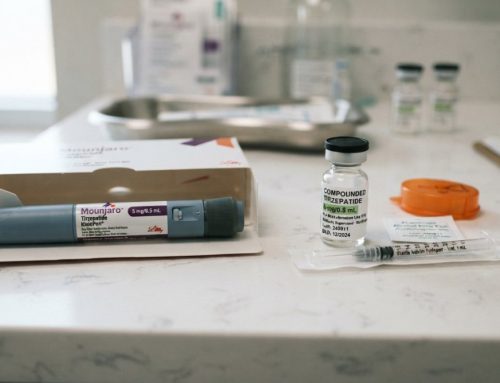
Zepbound is a dual GLP-1 and GIP receptor agonist, activating both GLP-1 and GIP for a synergistic effect. Clinical trials show average weight loss of 22% of body weight, nearly 7 percentage points more than Wegovy. Insurance coverage is still developing; some plans cover it, others don’t, with varying prior authorization requirements. Pricing without insurance is comparable to Wegovy, around $1,300+ per month.
Side effects mirror GLP-1s: nausea, vomiting, diarrhea, and constipation, typically resolving within 4-6 weeks. The dual-agonist mechanism makes Zepbound particularly valuable for patients with insulin resistance or prediabetes, as the GIP component improves insulin sensitivity.
Saxenda (Liraglutide)
Saxenda is the oldest FDA-approved GLP-1 for weight loss, approved in 2014. It requires daily injections of 3 mg after titrating up from 0.6 mg over four weeks. Average weight loss is approximately 8% of body weight, lower than Wegovy or Zepbound. Insurance coverage for Saxenda is better established than newer GLP-1s because it’s been available longer, making it a viable option for patients seeking FDA approval with better insurance likelihood.
Non-GLP-1 Weight Loss Medications: Oral & Injectable Options
Not every patient can tolerate GLP-1 medications. Several FDA-approved non-GLP-1 drugs work through different mechanisms and may be appropriate depending on your medical history, contraindications, or preference for oral medication.
Contrave (Naltrexone/Bupropion)
Contrave combines naltrexone (an opioid antagonist) and bupropion (an antidepressant) to target appetite and cravings through different brain pathways than GLP-1s. Patients take four tablets daily in two divided doses. Average weight loss is approximately 10% of body weight over 56 weeks, significantly less than GLP-1s but still clinically meaningful.
Contrave is particularly useful for patients with strong cravings or emotional eating patterns, or those with depression where bupropion’s mood-lifting effect adds therapeutic value. Insurance coverage varies, but Contrave is often less expensive than GLP-1s. Because bupropion is a stimulant, it’s contraindicated in patients with seizure disorders, eating disorders, or uncontrolled hypertension.
Qsymia (Phentermine/Topiramate)
Qsymia combines phentermine (a sympathomimetic amine that suppresses appetite) and topiramate (an anticonvulsant that affects hunger signals). Taken once daily, Qsymia produces average weight loss of approximately 10% of body weight. Phentermine is a controlled substance (Schedule IV), requiring monthly check-ins. Topiramate carries a black-box warning for birth defects if used during pregnancy, making it unsuitable for women planning pregnancy.
Orlistat (Alli, Xenical)
Orlistat is the only FDA-approved weight loss medication available over-the-counter. Alli (60 mg) is OTC; Xenical (120 mg) requires a prescription. Orlistat works locally in the GI tract, blocking lipase enzymes that break down dietary fat. Average weight loss is 5-10% of body weight, the lowest among FDA-approved options. Orlistat’s appeal lies in accessibility and safety: it has minimal systemic side effects because it doesn’t enter the bloodstream. The main drawback is GI side effects, oily stools, urgency, and fatty spotting, which worsen with high-fat meals. Insurance often covers Xenical, and Alli is inexpensive OTC (around $88-150 for a month’s supply).
Orlistat suits patients who want to avoid injections, can’t access GLP-1s through insurance, and are willing to accept lower weight loss in exchange for minimal systemic side effects.
Telehealth GLP-1 Providers: Compounded & Subscription Options
Beyond Fifty410, several telehealth platforms offer compounded GLP-1 medications at varying price points. These are not FDA-approved but are legal when compounded by licensed pharmacies under physician supervision.
Hims & Hers: Compounded Semaglutide
Hims & Hers offers compounded semaglutide through an online questionnaire, video consultation with a licensed provider, and monthly delivery. Pricing starts at $199 for the first month, then $299 monthly for maintenance doses, significantly cheaper than brand-name Wegovy ($1,349/month). The trade-off: compounded semaglutide is not FDA-approved for weight loss. While many patients tolerate it well, quality and consistency depend on the compounding pharmacy. Insurance does not cover compounded medications, so Hims & Hers is strictly self-pay.
Cora Health: Budget-Friendly Compounded GLP-1s
Cora Health positions itself as the most affordable compounded GLP-1 option. Pricing starts at $99 monthly for compounded semaglutide on an annual plan, or $135 monthly for compounded tirzepatide, roughly one-third the cost of Hims & Hers and one-tenth the cost of brand-name medications. Cora Health requires an annual commitment for these rates, though monthly-to-month options exist at higher pricing. All-inclusive pricing covers medication, provider consultations, and shipping.
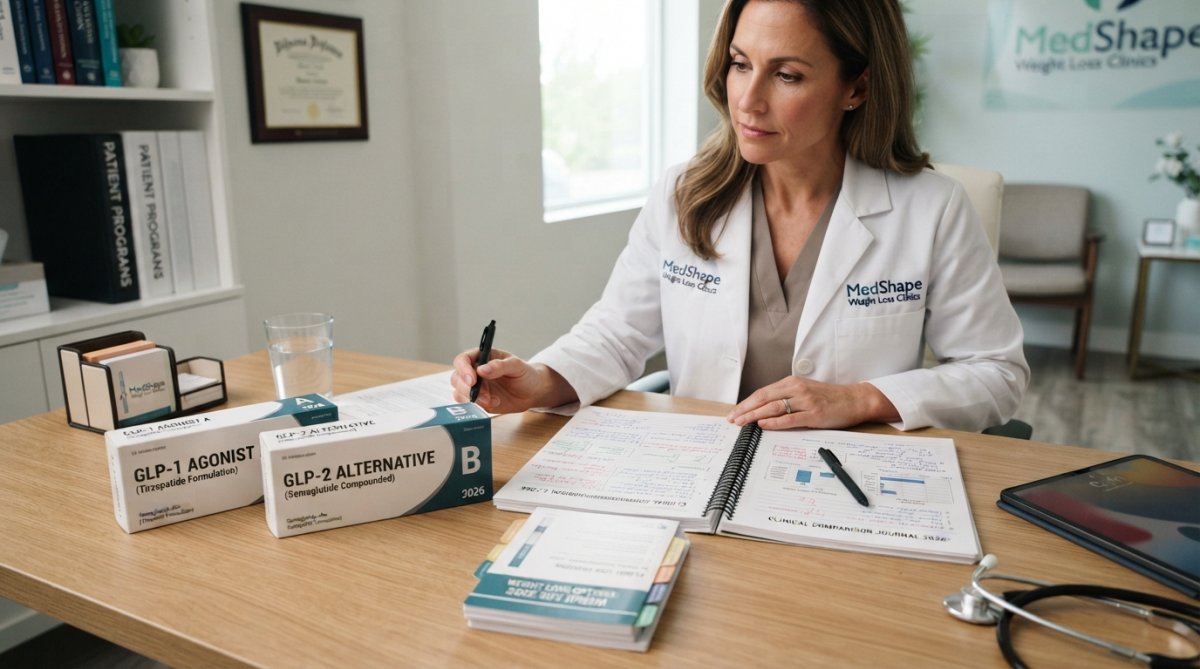
MedShape Weight Loss Clinics: Physician-Supervised Alternative
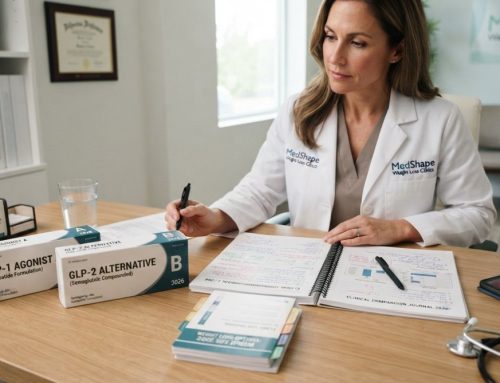
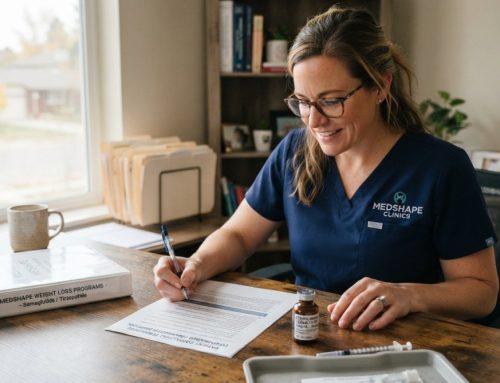
MedShape Weight Loss Clinics offers board-certified physicians and nutrition specialists creating fully customized weight loss programs combining compounded Tirzepatide and Semaglutide with behavioral support and dietary guidance. Available via telemedicine across all 50 states, MedShape Weight Loss Clinics emphasizes medical supervision and personalized treatment plans rather than one-size-fits-all protocols.
The signature offering is compounded Tirzepatide with a B12 blend, designed to enhance fat loss and support energy levels. Programs are tailored to individual health needs, medical history, and metabolic factors. MedShape Weight Loss Clinics has served patients nationwide for over 20 years and is recognized as America’s #1 provider of compounded Tirzepatide for weight loss. Board-certified doctors adjust dosing, monitor side effects, and modify the plan based on individual response. Patients commonly report losing up to 20 pounds in the first four weeks.
When comparing telehealth GLP-1 providers, ask whether they employ board-certified physicians and whether they adjust your dose based on your individual response. Providers that offer only standardized protocols may miss important opportunities to optimize your treatment.
Cost of GLP-1 Alternatives: Pricing & Insurance Coverage
Understanding the true cost of weight loss treatment requires separating list prices from what you’ll actually pay.
Brand-Name vs. Compounded Medications
Brand-name GLP-1s (Wegovy, Zepbound, Saxenda) cost $900-$1,350 monthly without insurance. With insurance, copays typically range from $50-$250 per month, depending on your plan’s formulary status. Compounded GLP-1s cost $99-$299 monthly through telehealth platforms, representing 70-90% savings compared to brand names, but without FDA approval and no insurance coverage.
For patients with good insurance coverage, brand-name medications are often the better choice because the copay is lower than the full compounded price. For uninsured patients, compounded alternatives become necessary unless they can pay out-of-pocket for brand names.
Insurance Coverage & Prior Authorization
Insurance companies increasingly cover GLP-1s for weight loss, but coverage is not automatic. Most insurers require prior authorization, step therapy (trying cheaper alternatives first), quantity limits, or may exclude weight loss medications entirely. The prior authorization process typically takes 5-10 business days.
If your insurance denies a GLP-1 medication, don’t automatically assume you’re ineligible. Request an appeal and ask your doctor to provide additional clinical justification. Many initial denials are overturned on appeal, especially if you have documented weight-related comorbidities.
Natural GLP-1 Alternatives: Lifestyle & Non-Pharmaceutical Options
While medications are powerful, they work best alongside behavioral changes. Dietary approaches that mimic GLP-1 effects include high-protein, low-glycemic-index eating patterns. Protein increases satiety and slows gastric emptying naturally. Fiber-rich foods also slow digestion and promote fullness, producing 5-15% weight loss for many patients but requiring sustained discipline.
Intermittent fasting (eating within a defined time window, typically 8-10 hours daily) reduces overall calorie intake and may improve insulin sensitivity, showing 10-15% weight loss with consistent practice. Exercise and resistance training build muscle, increasing resting metabolic rate. Combined with dietary changes, exercise produces superior long-term weight loss compared to diet or exercise alone.
The reality: lifestyle modifications alone work for some patients but fail for many others, particularly those with genetic predisposition to obesity, insulin resistance, or metabolic dysfunction. For these patients, a Fifty410 alternative for GLP-1 medication is not a failure of willpower, it’s appropriate medical treatment.
Long-Term Sustainability: What Happens After Stopping GLP-1s
Clinical data shows that weight regain occurs in most patients who discontinue GLP-1s without maintaining lifestyle changes. Appetite returns to baseline, and weight typically rebounds to 50-70% of the lost weight within 12-24 months after stopping.
This doesn’t mean GLP-1s are failures; it means they’re tools for weight loss, not permanent cures. The goal is to use the medication window (typically 1-2 years) to lose weight, establish new eating habits, and increase physical activity. Some patients choose to stay on GLP-1s indefinitely, treating obesity as a chronic condition requiring ongoing medication, similar to how diabetics take insulin long-term.
Long-term success also depends on addressing underlying metabolic issues. Patients with insulin resistance or metabolic syndrome benefit from tirzepatide (dual GLP-1/GIP agonist) because the GIP component improves insulin sensitivity, potentially creating more durable metabolic improvements than semaglutide alone.
The best Fifty410 alternative for GLP-1 isn’t necessarily the cheapest or most convenient, it’s the one you’ll stick with, that includes behavioral support, and that aligns with your long-term health goals beyond the number on the scale.
Navigating weight loss treatment options feels overwhelming when comparing Fifty410 against dozens of alternatives, each with different costs, mechanisms, and outcomes. Your best choice depends on three factors you control: your insurance situation, your medical history, and your commitment to behavioral change.
If you’re seeking physician-supervised treatment with customized dosing, proven clinical outcomes, and support for long-term sustainability, MedShape Weight Loss Clinics offers a comprehensive alternative to Fifty410. Board-certified physicians create individualized programs combining compounded Tirzepatide and Semaglutide with nutrition counseling and ongoing monitoring. Many patients achieve significant results, up to 20 pounds in four weeks, while building the behavioral habits necessary to maintain weight loss long-term.
Start your consultation today and discover whether MedShape Weight Loss Clinics is the right fit for your weight loss journey.
Frequently Asked Questions
What are the main differences between Fifty410 and other GLP-1 alternatives?
Fifty410 is a telehealth provider offering compounded GLP-1 medications, primarily semaglutide and tirzepatide. Alternatives include brand-name FDA-approved options like Wegovy and Zepbound, other telehealth platforms like Hims & Hers and Cora Health, and non-GLP-1 medications like Contrave and Qsymia. Key differences involve pricing, medication type (compounded vs. FDA-approved), physician supervision level, and whether insurance typically covers the treatment. MedShape Weight Loss Clinics, for example, emphasizes board-certified physician oversight and customized compounded formulations with added B12 support.
Are non-GLP-1 weight loss medications as effective as GLP-1 alternatives?
Non-GLP-1 medications like Contrave and Qsymia generally produce less weight loss than newer GLP-1 receptor agonists. GLP-1 medications such as semaglutide and tirzepatide demonstrate superior efficacy in clinical studies. However, non-GLP-1 options may be suitable for patients with specific contraindications, those seeking oral administration, or individuals with different metabolic profiles. The choice depends on individual health conditions, tolerance, and medical history rather than assuming all GLP-1s are universally superior for every patient.
How much do GLP-1 alternatives typically cost compared to Fifty410?
Pricing varies significantly. Brand-name GLP-1s like Wegovy cost over $1,300 monthly without insurance. Compounded telehealth providers like Fifty410, Hims & Hers ($199-$299/month), and Cora Health ($99-$135/month on annual plans) offer substantially lower costs. Non-GLP-1 alternatives like Orlistat start as low as $88 with discounts. Insurance coverage, prior authorization requirements, and whether you choose compounded versus FDA-approved medications all affect final out-of-pocket costs. Specific pricing depends on individual insurance plans and pharmacy discounts.
What happens to weight loss after stopping GLP-1 medications?
Weight regain is common after discontinuing GLP-1 medications if lifestyle modifications are not maintained. These medications work by suppressing appetite and slowing gastric emptying; once stopped, these mechanisms cease. Long-term sustainability requires continued dietary discipline, regular physical activity, and metabolic health management. Some patients maintain weight loss through lifestyle changes alone, while others experience gradual regain. Medically supervised programs emphasize integrating nutrition counseling and behavioral support during treatment to establish sustainable habits that persist after medication discontinuation.
Which telehealth GLP-1 providers offer the best combination of cost and medical supervision?
Telehealth GLP-1 providers vary in supervision level and pricing. Cora Health and Hims & Hers offer lower costs ($99-$299/month) with virtual consultations but use compounded medications. MedShape Weight Loss Clinics emphasizes board-certified physician oversight, customized treatment plans, and compounded formulations with added nutrients like B12, though specific pricing requires consultation. All telehealth options provide online consultations, but the depth of ongoing medical supervision and personalization differs. Choose based on whether you prioritize lowest cost, highest physician involvement, or a balance of both factors.
This article was written using GrandRanker























Leave A Comment