 Skip to content
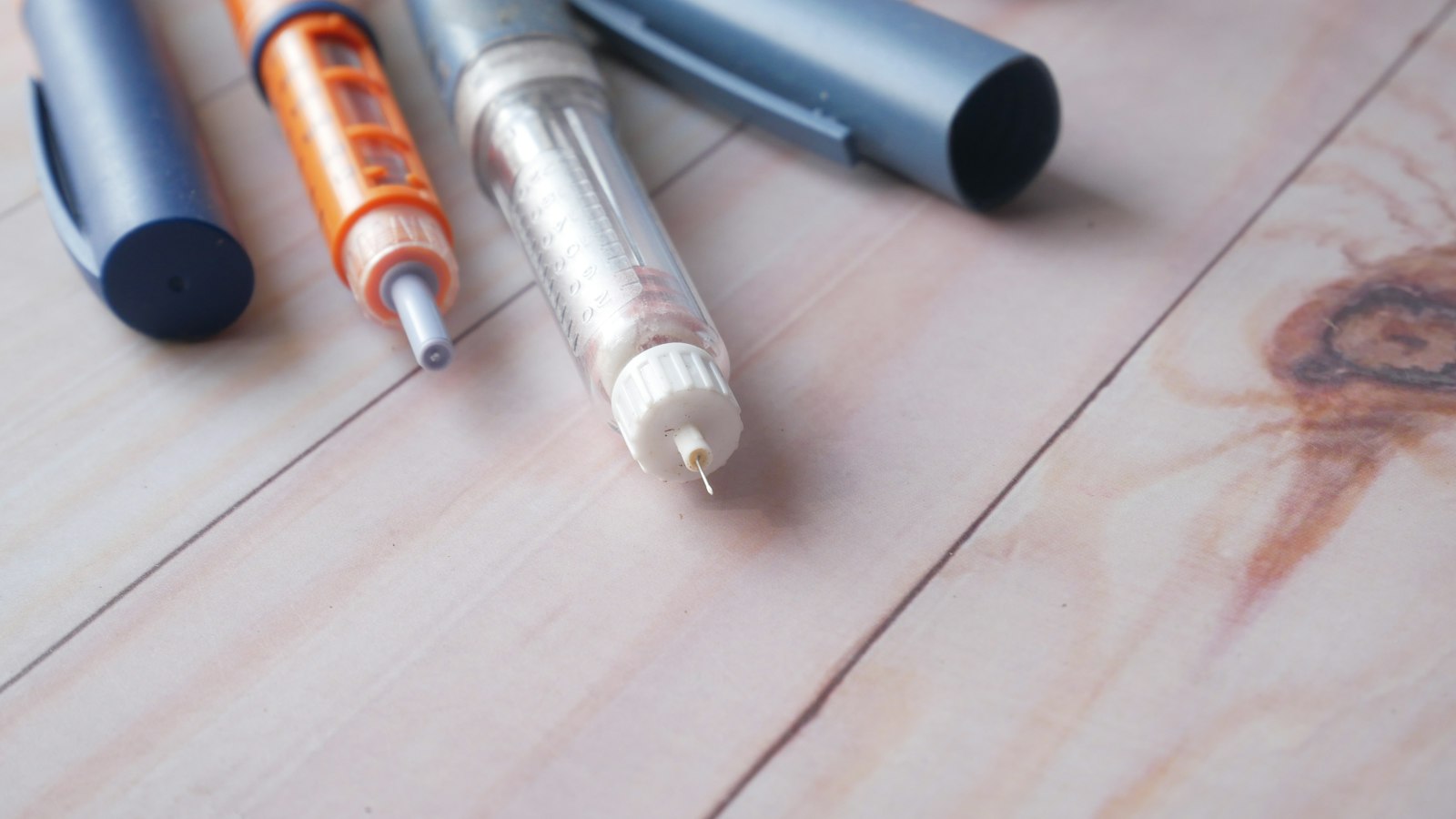
If you are researching GLP-1 medications for weight loss or diabetes, you may have encountered names such as Ozempic, Wegovy, Mounjaro, and Zepbound. Although these medications are often discussed together, they are not identical.
Some contain the same active ingredient under different brand names. Others work on more than one hormone pathway, have different FDA-approved uses, or come with different dosing instructions.
At Medshape, we help patients understand their options so they can make informed decisions about medical weight management. This guide explains the key differences between common GLP-1 medications and what to discuss with a qualified healthcare provider.
What Are GLP-1 Medications?
GLP-1 medications work on hormone pathways involved in appetite, digestion, and blood sugar regulation. GLP-1 stands for glucagon-like peptide-1, a hormone naturally produced in the body.
Depending on the medication, GLP-1 treatment may:
- Reduce appetite and food cravings.
- Help you feel full longer.
- Slow the movement of food through the stomach.
- Increase insulin release when blood sugar is elevated.
- Support improved blood sugar control.
Tirzepatide, the active ingredient in Mounjaro and Zepbound, works on both GLP-1 and GIP receptors. Because it targets two hormone pathways, it is classified as a dual GIP/GLP-1 receptor agonist rather than a traditional GLP-1-only medication.
These medications are prescription treatments and should be used under medical supervision.
Sources: Semaglutide prescribing information, tirzepatide prescribing information
GLP-1 Medications Compared
The following table provides a general overview of commonly discussed medications in the United States. FDA-approved uses, dosing, and availability may change, so always confirm current information with your healthcare provider.
| Active ingredient | Brand name | How it is taken | Common FDA-approved use |
|---|---|---|---|
| Semaglutide | Wegovy | Weekly injection; oral formulation may be available depending on current approval status | Chronic weight management |
| Semaglutide | Ozempic | Weekly injection | Type 2 diabetes |
| Semaglutide | Rybelsus | Daily tablet | Type 2 diabetes |
| Tirzepatide | Zepbound | Weekly injection | Chronic weight management and certain obesity-related conditions |
| Tirzepatide | Mounjaro | Weekly injection | Type 2 diabetes |
| Liraglutide | Saxenda | Daily injection | Chronic weight management |
| Orforglipron | Foundayo | Daily tablet, where approved and available | Chronic weight management |
Sources: Wegovy, Ozempic, Rybelsus, Zepbound, Mounjaro, Saxenda, and Foundayo.
Ozempic vs. Wegovy: What’s the Difference?
Ozempic and Wegovy both contain semaglutide, but they are approved for different primary purposes.
- Ozempic is approved to help manage type 2 diabetes and reduce certain cardiovascular risks in eligible adults with type 2 diabetes.
- Wegovy is approved for chronic weight management in eligible adults and adolescents. It also has an indication for reducing certain cardiovascular risks in adults with overweight or obesity and established cardiovascular disease.
Because they contain the same active ingredient, people sometimes assume Ozempic and Wegovy are interchangeable. They are not automatically interchangeable. They may differ in approved doses, labeling, insurance coverage, and treatment goals.
Using a diabetes medication solely for weight loss may also be considered off-label, depending on the medication and circumstances. Your provider can explain which option is appropriate for your health needs.
Sources: Ozempic prescribing information, Wegovy prescribing information
Mounjaro vs. Zepbound: What’s the Difference?
Mounjaro and Zepbound both contain tirzepatide, which activates both GIP and GLP-1 receptors.
- Mounjaro is approved for blood sugar management in adults with type 2 diabetes.
- Zepbound is approved for chronic weight management in eligible adults and adolescents. It is also approved for treating moderate-to-severe obstructive sleep apnea in adults with obesity.
Both medications are given once weekly and are typically started at a lower dose before gradually increasing. The appropriate dose depends on the medication’s approved use, treatment response, and tolerability.
As with semaglutide products, Mounjaro and Zepbound should not be switched or dose-converted without guidance from the prescribing clinician.
Sources: Mounjaro prescribing information, Zepbound prescribing information
Weekly Injections vs. Daily Tablets
The best medication is not necessarily the one with the most convenient schedule. It is the one that fits your medical needs, preferences, and ability to follow the treatment plan.
Weekly injections
Weekly injections may appeal to people who prefer fewer dosing days. They can also provide consistent medication levels over time. However, patients still need to follow storage, injection, and missed-dose instructions carefully.
Daily tablets
Oral medications may be preferred by people who do not want injections. However, tablet instructions can vary significantly.
For example, some oral semaglutide products must be taken on an empty stomach with a small amount of water, followed by a waiting period before eating, drinking, or taking other oral medications. Other tablets may be taken with or without food.
A pill is not automatically safer, more effective, or easier to tolerate than an injection. The medication’s active ingredient, dose, clinical evidence, and safety profile all matter.
How Much Weight Loss Can You Expect?
Weight-loss results vary from person to person. Outcomes may depend on:
- The medication and dose.
- Treatment duration.
- Whether you have type 2 diabetes.
- Your starting weight and health history.
- Nutrition, physical activity, sleep, and stress.
- How consistently you take the medication.
- Whether side effects limit dose increases.
In clinical trials, some adults taking higher doses of tirzepatide experienced average weight reductions of approximately 15% to 21% over 72 weeks, depending on the dose and study group. In a separate trial, liraglutide produced an average weight reduction of approximately 7.4% over 56 weeks.
Because these medications were studied in separate trials, the results should not be treated as a direct head-to-head comparison. Clinical trial averages also cannot predict exactly how much weight one individual will lose.
Sources: Zepbound clinical trial data, Saxenda clinical trial data
Which Medication Is Most Effective?
There is no single best GLP-1 medication for everyone.
Some studies suggest tirzepatide may produce greater average weight loss than semaglutide in certain populations, but individual results can differ. A medication that produces strong results but causes difficult side effects may not be the best long-term choice.
Your provider may consider:
- Whether your primary goal is weight loss, blood sugar control, or both.
- Whether you have cardiovascular disease, sleep apnea, or another obesity-related condition.
- Your history of gastrointestinal symptoms.
- Other medications you take.
- Pregnancy plans or reproductive health considerations.
- Insurance coverage and long-term affordability.
- Your preferred dosing schedule.
At Medshape, medical supervision helps ensure that treatment decisions are based on your complete health profile rather than weight-loss claims alone.
Additional Health Benefits
Weight loss is one potential benefit, but some medications also have approved uses or evidence related to other health conditions.
For example:
- Wegovy may reduce the risk of certain major cardiovascular events in eligible adults with established cardiovascular disease and overweight or obesity.
- Zepbound is approved for moderate-to-severe obstructive sleep apnea in adults with obesity.
- Ozempic and Mounjaro are used to help manage type 2 diabetes.
- Weight reduction may improve blood pressure, cholesterol, blood sugar, mobility, and other obesity-related health concerns.
These benefits should not automatically be assumed for every medication in the GLP-1 category. The evidence and approved indications differ by product.
Sources: Wegovy prescribing information, Zepbound prescribing information
Common Side Effects and Safety Considerations
The most common side effects of GLP-1 and related medications include:
- Nausea.
- Vomiting.
- Diarrhea.
- Constipation.
- Abdominal discomfort.
- Decreased appetite.
Side effects are often more noticeable when starting treatment or increasing the dose. Gradual dose escalation may improve tolerability, but it does not eliminate the possibility of adverse effects.
These medications also have important warnings and precautions. Your provider may need to consider your history of pancreatitis, gallbladder disease, severe gastrointestinal problems, diabetes-related eye disease, kidney problems, or certain thyroid tumors.
GLP-1 medications and related treatments should not be combined with another medication in the same class unless specifically directed by a qualified prescriber. Do not change your dose or use someone else’s medication.
Sources: Foundayo safety information
How Medshape Can Help
Choosing a weight-loss medication involves more than comparing brand names. It requires understanding your health history, goals, medications, side-effect risks, and long-term treatment plan.
Medshape provides medically guided weight-management support designed to help patients:
- Review whether prescription weight-loss treatment may be appropriate.
- Understand the differences between semaglutide, tirzepatide, liraglutide, and other options.
- Monitor progress and side effects.
- Adjust treatment safely when appropriate.
- Build sustainable nutrition and lifestyle habits.
- Plan for long-term weight maintenance.
Frequently Asked Questions
Are GLP-1 medications safe?
GLP-1 medications can be safe and effective when prescribed for appropriate patients and monitored by a qualified healthcare professional. They are not suitable for everyone, and safety depends on your medical history, dose, other medications, and response to treatment.
Can I take Ozempic for weight loss?
Ozempic is approved for type 2 diabetes, not specifically for chronic weight management. Some providers may prescribe medications off-label when medically appropriate, but this decision should be made with a qualified clinician.
Is tirzepatide a GLP-1 medication?
Tirzepatide activates both GIP and GLP-1 receptors. It is often discussed alongside GLP-1 medications, but technically it is a dual GIP/GLP-1 receptor agonist.
Can I switch from Ozempic to Wegovy?
Because both contain semaglutide, a provider may determine that switching is appropriate in some situations. However, the products are not automatically interchangeable, and dosing should be determined by your prescriber.
Do I need to take these medications forever?
Some people may need long-term treatment to maintain results, while others may eventually adjust or discontinue therapy under medical supervision. Stopping treatment can lead to increased appetite or weight regain for some patients. Your provider can help create a maintenance plan.
Choosing the Right GLP-1 Medication for You
The right medication depends on more than the amount of weight you want to lose. Your health conditions, treatment goals, side-effect tolerance, dosing preferences, and budget all play a role.
Before starting treatment, ask your provider:
- Which medication is appropriate for my health history?
- What results are realistic for me?
- What side effects should I watch for?
- How will my progress be monitored?
- What will treatment cost over time?
- What is the plan for maintaining my results?
If you are considering GLP-1 medication for weight loss, Medshape can help you explore your options with personalized medical guidance. A sustainable weight-management plan should support your health, fit your lifestyle, and include ongoing supervision.






















Leave A Comment