Skip to content
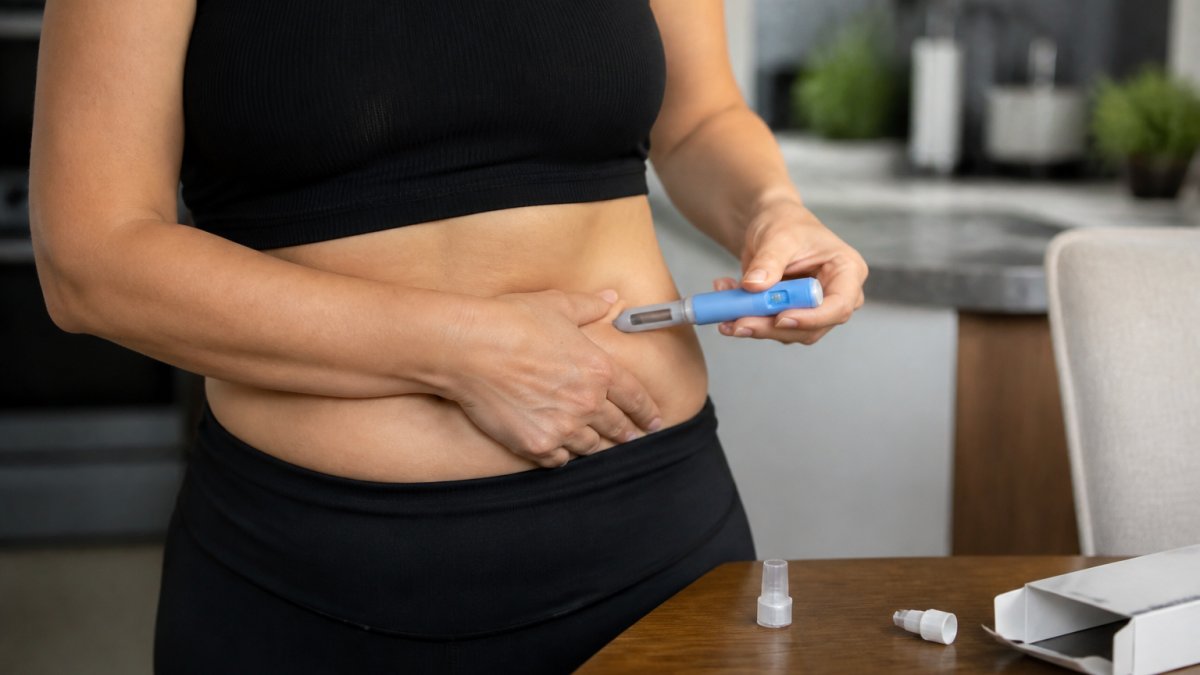
Table of Contents
- Why Semaglutide Injection Sites Matter
- Understanding Subcutaneous Injection Technique
- Primary Injection Sites: Abdomen, Thigh, and Upper Arm
- Rotation Schedule: Preventing Lipohypertrophy and Scar Tissue
- Managing Semaglutide Injection Site Reactions
- How to Store Compounded Semaglutide Safely
- Step-by-Step Injection Administration Guide
- Troubleshooting Common Injection Site Issues
- Frequently Asked Questions
Last Updated: September 30, 2026
Why Semaglutide Injection Sites Matter
Proper injection site selection and rotation are critical for successful semaglutide therapy. When you inject in the same spot repeatedly, your body develops lipohypertrophy, a buildup of fatty tissue that reduces medication absorption and creates inconsistent results (pubmed.ncbi.nlm.nih.gov). This means your dose may not work as intended, leading to plateaued weight loss or unexpected side effects.
Rotating your semaglutide injection sites is simple once you understand the system.
Proper site rotation ensures consistent medication absorption, prevents bruising and scar tissue buildup, and reduces injection site reactions like redness and itching.

Understanding Subcutaneous Injection Technique
Semaglutide is administered as a subcutaneous injection, meaning it goes into the fatty tissue layer just below your skin. This differs from intramuscular injections, which penetrate deeper into muscle. Understanding the correct technique ensures your medication reaches the right tissue depth for optimal absorption.
Needle Gauge and Injection Depth
Compounded semaglutide typically uses a 28-31 gauge needle (5-8 millimeters long), thin enough to minimize pain yet sturdy enough to penetrate skin cleanly.
Insert the needle at a 45-90 degree angle depending on body composition: 45 degrees if lean, 90 degrees if you have more adipose tissue. The needle should reach the adipose layer but not penetrate muscle.
Using the wrong needle gauge or depth causes medication to deposit in the wrong tissue layer. This leads to slower absorption, reduced effectiveness, or increased local reactions. Always use the needle size your clinician recommends.
The Pinch Technique for Consistent Delivery
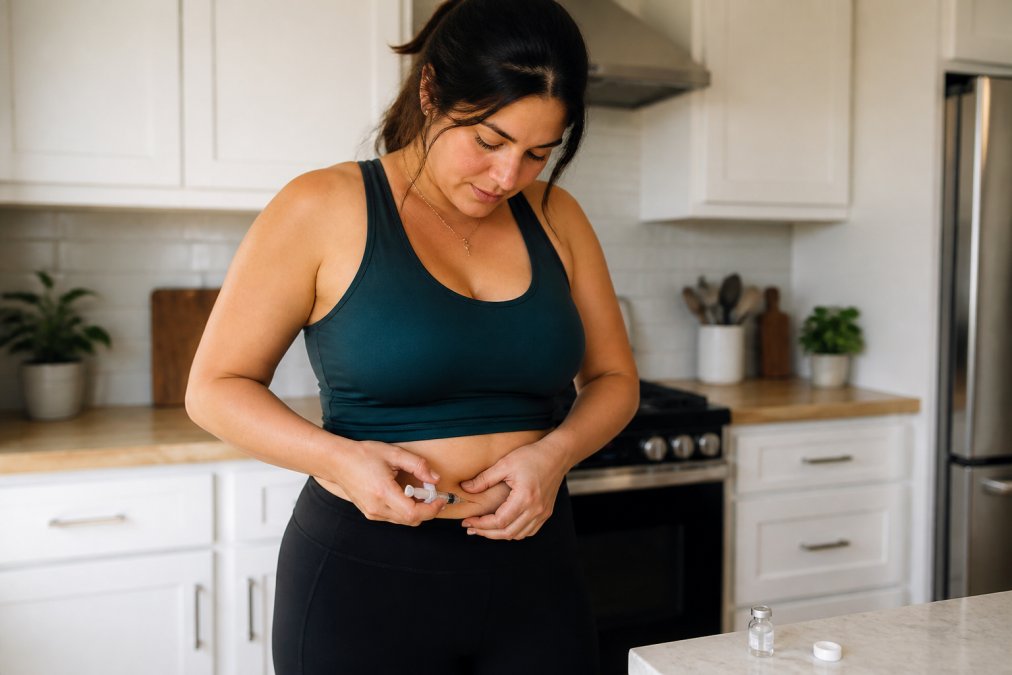
The pinch technique stabilizes the injection site by lifting adipose tissue away from muscle and steadying the area so the needle enters cleanly.
Hold the pinch firmly (about 1-2 inches wide), insert the needle quickly, then inject slowly over 5-10 seconds to avoid bruising. Withdraw smoothly and release the pinch.
Primary Injection Sites: Abdomen, Thigh, and Upper Arm
Your semaglutide injection sites rotation guide includes three primary locations: the abdomen, outer thigh, and upper arm. Each site has specific anatomical boundaries to follow. Staying within these zones keeps you in the right tissue layer and minimizes complications.
Abdomen: Measuring Distance from the Navel
The abdomen is the most common injection site, but stay at least 2 inches away from your navel in all directions to avoid blood vessels and the sensitive umbilical area.
Choose spots in the lower abdomen, sides, or upper abdomen outside the navel exclusion zone. Mark spots mentally or with a pen to track previous injections.
Rotate between left and right sides, alternating upper and lower abdomen to prevent lipohypertrophy.
Outer Thigh and Upper Arm Options
The outer thigh is your second primary site: use the lateral surface between hip and knee, avoiding the inner thigh which has fewer adipose tissue and more nerve endings.
The upper arm (triceps area, midway between shoulder and elbow) is your third option, best used with a partner’s help since self-injection is awkward.
Rotating between all three sites, abdomen, thigh, and upper arm, gives you the most flexibility and prevents lipohypertrophy most effectively.
Rotation Schedule: Preventing Lipohypertrophy and Scar Tissue
A structured rotation schedule prevents lipohypertrophy (fatty lumps that reduce absorption) and scar tissue buildup.
Weekly Rotation Pattern
Follow this simple weekly pattern:
- Week 1: Abdomen (left side)
- Week 2: Abdomen (right side)
- Week 3: Outer thigh (left leg)
- Week 4: Outer thigh (right leg)
- Week 5: Upper arm (left arm)
- Week 6: Upper arm (right arm)
- Week 7: Return to abdomen (left side), using a different spot than Week 1
This six-week cycle ensures each body area gets adequate rest and no single location gets overused.
| Week | Primary Site | Side | Rotation Focus |
|---|---|---|---|
| 1 | Abdomen | Left | Lower quadrant |
| 2 | Abdomen | Right | Lower quadrant |
| 3 | Thigh | Left | Outer surface |
| 4 | Thigh | Right | Outer surface |
| 5 | Upper arm | Left | Triceps area |
| 6 | Upper arm | Right | Triceps area |
Spacing Between Injection Sites
Space injections at least 1 inch apart within each site to prevent lipohypertrophy and tissue damage.
Use a mental grid or mark spots with a pen. For the abdomen, think of it divided into four quadrants. For the thigh, use upper and lower sections. For the upper arm, use left and right halves. This system ensures you’re spreading injections across the available tissue.
If you notice a tender spot, skip it for at least two weeks. Tenderness signals inflammation or early lipohypertrophy. Injecting into inflamed tissue causes more pain and slower healing. Let it recover before using that spot again.
Managing Semaglutide Injection Site Reactions
Injection site reactions are common but manageable. Most reactions are mild and resolve within a few days. Understanding what’s normal and what requires attention helps you stay confident with your treatment.
Recognizing Bruising, Redness, and Tenderness
Mild bruising at the injection site is normal, especially when starting treatment. Your body is adjusting to regular needle punctures. Bruising typically fades within 5-7 days. If bruising is severe or persists beyond two weeks, it may signal a bleeding issue or injection technique problem.
Redness and mild swelling around the injection site usually appear within hours and fade within 24 hours. This is a local inflammatory response, your body’s normal reaction to the injection. Cool compresses help reduce redness. Avoid scratching or rubbing the area.
Tenderness at the injection site is expected for 24-48 hours. The area may feel sore to touch. This usually improves with time. If tenderness persists beyond three days or worsens, you may have an infection or tissue irritation requiring medical attention.
When to Seek Medical Attention
Contact your healthcare provider if you experience:
- Bruising that spreads rapidly or doesn’t fade after two weeks
- Redness that increases after 24 hours or covers a large area
- Warmth, pus, or drainage from the injection site (signs of infection)
- Severe pain that doesn’t improve with over-the-counter pain relief
- Swelling that limits movement or restricts clothing
- Fever accompanying injection site symptoms
These signs may indicate infection, allergic reaction, or improper injection technique. Your clinician can assess the problem and adjust your approach.
How to Store Compounded Semaglutide Safely
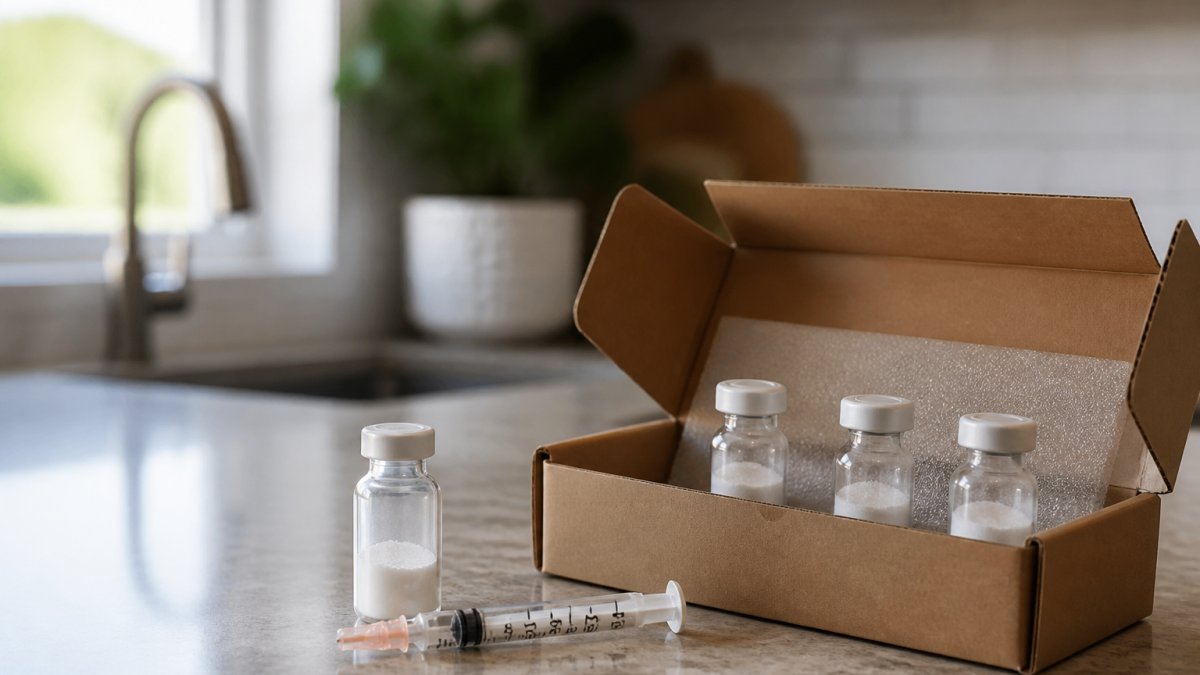
Proper storage maintains medication potency and safety. Compounded semaglutide requires specific temperature control. Store your medication in the refrigerator at 36-46 degrees Fahrenheit (2-8 degrees Celsius). Do not freeze.
Keep the medication in its original container, away from light. Light exposure degrades the active ingredient. Store it on a refrigerator shelf, not in the door where temperature fluctuates. Keep it away from heat sources.
Once you begin using a vial, it remains stable for 28 days at refrigerator temperature. Mark your vial with the start date. Discard after 28 days even if medication remains. Do not use expired or improperly stored medication.
If you travel, use an insulated medication travel case with ice packs. Keep the temperature between 36-46 degrees Fahrenheit during transport. Do not leave medication in a hot car or exposed to direct sunlight.
Step-by-Step Injection Administration Guide
Following a consistent injection routine prevents mistakes and builds confidence. These steps apply whether you’re injecting in the abdomen, thigh, or upper arm.
Preparation and Sterilization
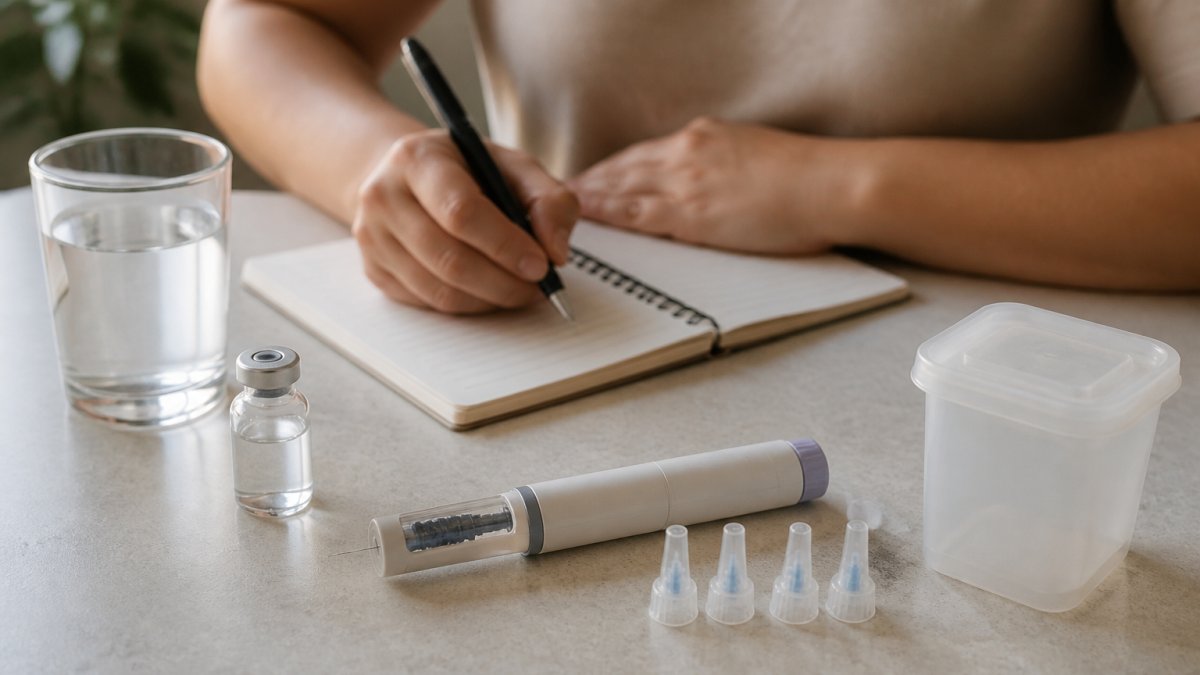
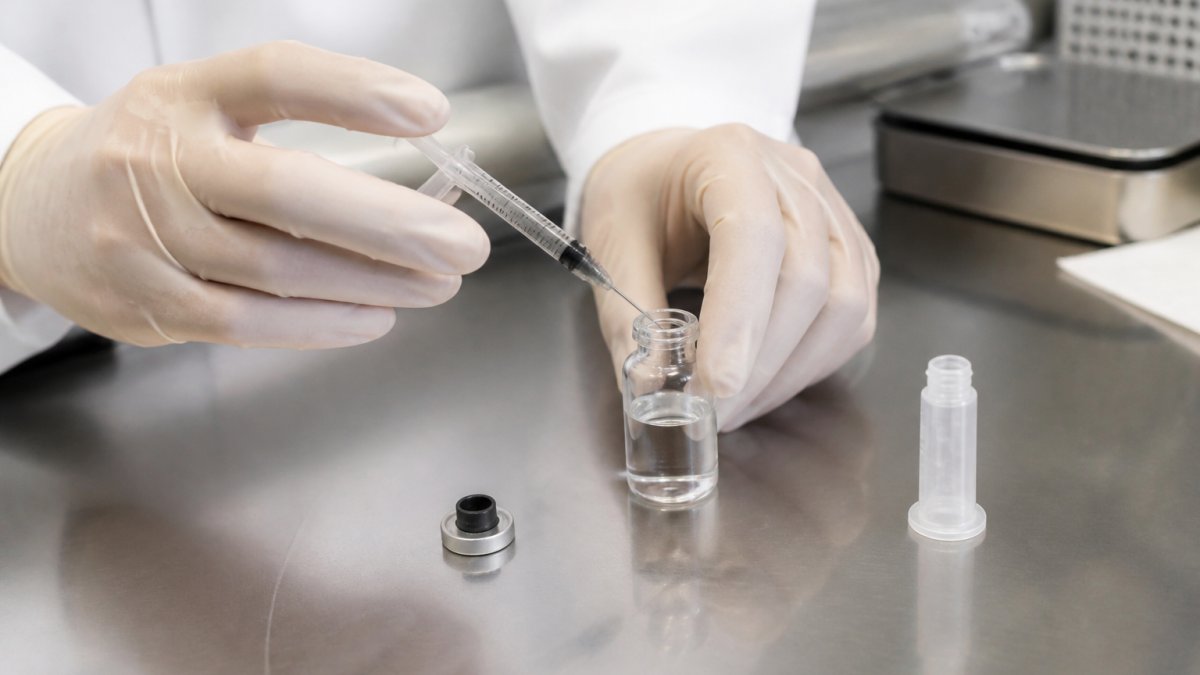
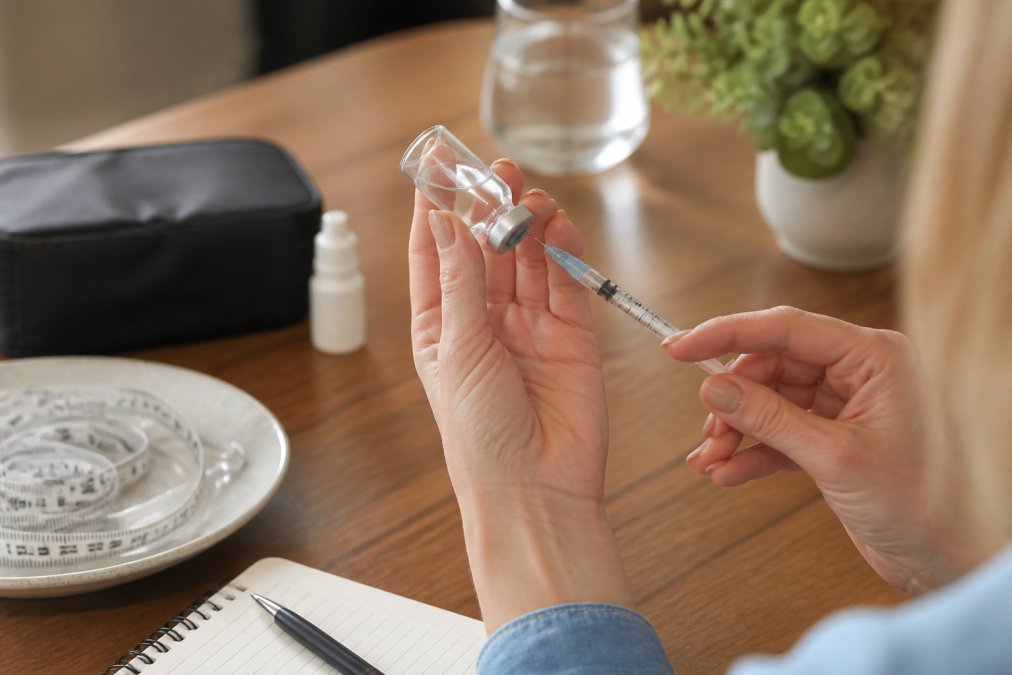
Gather your supplies before starting: your semaglutide vial, sterile syringe with needle, alcohol swabs, and a sharps container. Wash your hands thoroughly with soap and warm water. Dry completely.
Remove your semaglutide vial from the refrigerator 15-30 minutes before injection. Room-temperature medication is easier to inject and causes less discomfort. Inspect the vial for particles or cloudiness.
Executing the Injection
Select your injection site following your rotation schedule. Cleanse the injection site with an alcohol swab using circular motions. Let the alcohol dry completely before injecting. Injecting into wet alcohol causes stinging and can affect medication absorption.
Proper Needle Disposal in a Sharps Container
Never throw needles in the trash. Needles pose a serious injury risk to sanitation workers and others. Use a sharps container, a puncture-resistant container specifically designed for needle disposal.
Troubleshooting Common Injection Site Issues
Even with perfect technique, injection site problems sometimes occur. Knowing how to troubleshoot them keeps you on track with your treatment.
Frequently Asked Questions
Why is it important to rotate semaglutide injection sites?
Rotating injection sites prevents lipohypertrophy, a thickening of fatty tissue that occurs when you inject repeatedly in the same location. This condition can reduce medication absorption and affect your weight loss results. Regular rotation also minimizes bruising, tenderness, and scar tissue formation. By spacing injections at least one inch apart and alternating between your abdomen, thigh, and upper arm weekly, you maintain consistent medication delivery and reduce local reactions.
What should I do if I experience pain or redness at the semaglutide injection site?
Mild redness, bruising, or tenderness typically resolves within a few days. Apply ice for 10-15 minutes after injection to reduce inflammation. Ensure you’re rotating sites properly and using a sterile alcohol swab before each injection. If redness spreads beyond the immediate injection area, swelling increases, or you develop signs of infection such as warmth, pus, or fever, contact your physician immediately. These symptoms may indicate site irritation or infection requiring medical evaluation.
How should I store compounded semaglutide between injections?
Store compounded semaglutide in the refrigerator between 36-46°F (2-8°C) in its original container, away from light and heat. Keep it upright and never freeze it. Once you remove the pen or vial from the refrigerator, it can remain at room temperature for up to 28 days. Always check the expiration date and discard any medication that appears cloudy, discolored, or has particles. If you travel, use an insulated cooling case with ice packs to maintain proper temperature.
Can I inject semaglutide in the same spot every week?
No. Injecting in the same spot repeatedly causes lipohypertrophy and scar tissue buildup, which reduces medication absorption and effectiveness. Space each injection at least one inch away from the previous site. Follow a structured rotation schedule: inject the abdomen one week, outer thigh the next week, and upper arm the following week. Within each body area, select different spots to distribute injections evenly. This rotation strategy ensures consistent medication delivery and minimizes injection site reactions.