Skip to content

Table of Contents
- What Is Compounded Semaglutide and How Telehealth Platforms Deliver It
- Safety of Compounded Semaglutide: What You Need to Know
- FDA Regulation of Compounded GLP-1 Medications
- How Telehealth Platforms Prescribe Compounded Semaglutide
- How to Choose a Reputable Telehealth Weight Loss Provider
- Compounded Semaglutide vs. Brand-Name Alternatives
- Common Side Effects and Risk Management
- Frequently Asked Questions
Last Updated: September 29, 2026
What Is Compounded Semaglutide and How Telehealth Platforms Deliver It
Telehealth compounded semaglutide is a medication created by licensed pharmacies specifically for individual patients, rather than mass-produced by pharmaceutical manufacturers. When prescribed through telehealth platforms, it combines medical oversight with convenient remote access. At MedShape Weight Loss Clinics, we offer physician-supervised telehealth programs, providing an alternative to brand-name GLP-1 medications.
GLP-1 receptor agonists like semaglutide work by mimicking a hormone that regulates appetite and blood sugar (Mechanisms of action and therapeutic applications of GLP-1 and dual GIP/GLP-1 receptor…). Compounded versions are created in state-licensed pharmacies under strict quality standards, allowing prescribers to customize dosages for individual patient needs. The telehealth delivery model eliminates the need for in-person clinic visits. Instead, patients complete a medical history review online, receive a prescription from a licensed clinician, and have their medication shipped directly to their home.
The appeal is straightforward: accessibility meets affordability. Patients avoid long waits for brand-name medications while benefiting from physician oversight and ongoing clinical support. The process from initial consultation to medication delivery varies by state regulations and pharmacy processing times.
Compounded medications require the same clinical oversight as brand-name versions. Choosing a telehealth platform with board-certified physicians and verified pharmacies is non-negotiable, cost savings mean nothing if the medication quality or clinical support is compromised.
Safety of Compounded Semaglutide: What You Need to Know
The safety profile of compounded semaglutide mirrors that of brand-name versions when prepared by reputable pharmacies. The difference lies not in the drug itself but in manufacturing consistency and oversight. Compounded medications created in 503A pharmacies (state-licensed facilities) follow FDA guidance for sterile compounding, though they don’t undergo the same pre-market testing as FDA-approved drugs.
This distinction matters. Brand-name semaglutide (Ozempic, Wegovy) completed clinical trials demonstrating safety and efficacy across thousands of patients. Compounded versions rely on the same active ingredient and mechanism but lack that same trial data. However, many clinicians and patients have used compounded GLP-1 medications safely for years, with adverse event profiles tracking closely to brand-name equivalents.
The real safety question isn’t whether compounded semaglutide is inherently unsafe, it’s whether your specific pharmacy meets quality standards. Reputable telehealth platforms verify that their compounding partners maintain proper sterile technique, use pharmaceutical-grade ingredients, and follow established dosing protocols. Poor-quality compounders cut corners on ingredient sourcing, sterilization, or dosage accuracy, creating genuine risk.
Common side effects include nausea, vomiting, constipation, and reduced appetite, expected effects of GLP-1 activation. Serious adverse events are rare but possible: pancreatitis, gallbladder issues, and severe dehydration can occur. Patients with a personal or family history of medullary thyroid cancer or multiple endocrine neoplasia type 2 should not use semaglutide at all.
If you experience persistent abdominal pain, severe vomiting, rapid heartbeat, or signs of dehydration (extreme thirst, dark urine, dizziness), stop your medication and contact your provider immediately. These warrant urgent evaluation, not a wait-and-see approach.
FDA Regulation of Compounded GLP-1 Medications
The FDA allows compounding pharmacies to create customized medications under specific conditions, outlined in the Federal Food, Drug, and Cosmetic Act (the FDA). Compounded drugs are not FDA-approved in the traditional sense, they’re legally permitted under a regulatory exemption for pharmacies that meet state licensure and federal quality standards.
Two categories govern compounding: 503A pharmacies operate under state pharmacy boards and create medications for individual patients with valid prescriptions. 503B outsourcing facilities operate under federal oversight and can distribute compounded drugs more broadly. Most telehealth platforms use 503A compounders, though some partner with 503B facilities for additional regulatory oversight.
The FDA does not pre-approve individual compounded batches. Instead, it enforces compliance through inspections, adverse event monitoring, and enforcement actions against pharmacies that violate quality standards. This creates a trust-based system: the agency assumes pharmacies follow established guidelines, but it doesn’t verify every batch before distribution.
What this means practically: compounded semaglutide is legal and widely available, but quality varies. A pharmacy operating within FDA guidance produces safe medication. One cutting corners on sterilization or ingredient verification creates real risk. The burden falls on patients and prescribers to verify pharmacy credentials and quality standards.
MedShape Weight Loss Clinics partners with compounding facilities that maintain rigorous quality protocols and transparent ingredient sourcing. Our physicians review each patient’s medical history before prescribing, ensuring semaglutide is appropriate for their specific situation.
How Telehealth Platforms Prescribe Compounded Semaglutide
Virtual Consultation and Medical History Review
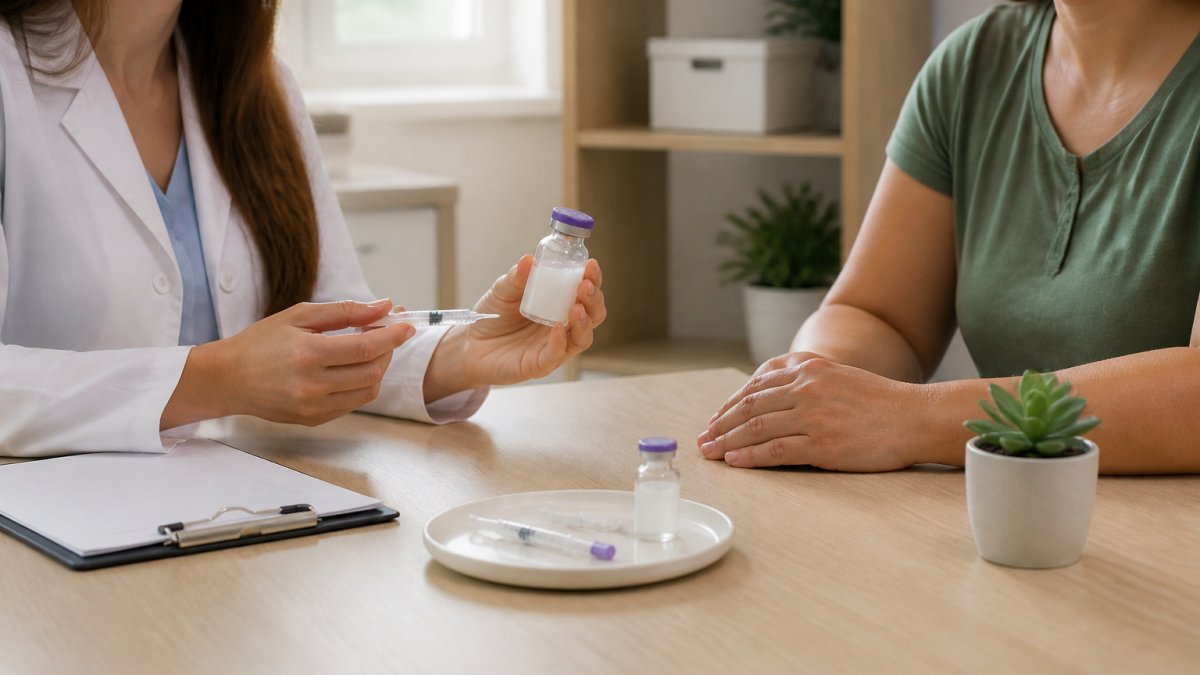
Your journey begins with an online consultation. You complete a detailed health questionnaire covering current medications, past surgeries, family medical history, and any chronic conditions. This information flows to a licensed physician who reviews it before your scheduled video appointment.
During the consultation, the clinician discusses your weight loss goals, medical background, and any concerns about side effects or contraindications. They assess whether semaglutide is appropriate for you, this step screens out patients with thyroid cancer history, severe kidney disease, or other conditions that make the medication unsuitable. The appointment typically lasts 20-30 minutes and happens entirely via secure video platform.

Prescription and Compounding Process
If approved, the clinician writes a prescription specifying your starting dose, typically 0.25 mg weekly. This prescription is sent electronically to the compounding pharmacy. The pharmacy prepares your medication using pharmaceutical-grade semaglutide powder, sterile saline, and proper injection supplies.
The pharmacy prepares your medication using pharmaceutical-grade semaglutide powder, sterile saline, and proper injection supplies. Your medication arrives with detailed injection instructions, storage guidelines, and emergency contact information for your prescribing clinician.
Ongoing Monitoring and Titration
Compounded semaglutide typically follows a titration schedule where doses are gradually increased. Your telehealth provider schedules check-in appointments to monitor how you’re tolerating the medication.
During these visits, your clinician asks about nausea, appetite changes, blood sugar levels (if diabetic), and any concerning symptoms. They adjust your titration pace based on your response. Some patients move through increases smoothly; others need to pause at a dose for an extra week or two.
This ongoing monitoring phase is where telehealth platforms distinguish themselves. Platforms offering brief initial consultations then abandoning patients create safety gaps.
The difference between a safe telehealth experience and a risky one often comes down to post-prescription support. Platforms that check in regularly catch side effects early and adjust treatment before problems escalate.
::: Comprehensive care also requires proactive strategies for maintaining muscle on GLP-1, ensuring that weight loss remains healthy and sustainable over the long term.
How to Choose a Reputable Telehealth Weight Loss Provider
Verify Clinician Credentials and Licensing
Start by confirming that prescribers are actually licensed physicians or nurse practitioners. Legitimate platforms display clinician names, credentials, and state licensure numbers publicly. You can cross-check these credentials with your state medical board’s website, most states maintain searchable databases of licensed providers.
Confirm Pharmacy Compliance Standards
The pharmacy compounding your medication should be state-licensed and ideally maintain additional certifications from organizations like the Pharmacy Compounding Accreditation Board (PCAB). Ask your telehealth provider: “Which pharmacy will compound my medication, and can you share their licensure and accreditation status?”
Assess Post-Prescription Monitoring Protocols
Ask what happens after you receive your first shipment. How often will you speak with your clinician? What’s the process for reporting side effects? Can you reach someone if you have concerns between scheduled appointments?
Compounded Semaglutide vs. Brand-Name Alternatives
Brand-name semaglutide (Ozempic for diabetes, Wegovy for weight loss) underwent extensive clinical trials and FDA approval (the FDA). Compounded versions use the same active ingredient but skip the formal approval process. Both work through the same GLP-1 mechanism, but they differ in consistency, cost, and regulatory oversight.
Common Side Effects and Risk Management
Nausea is the most common side effect, especially during the first two weeks and when increasing doses. It typically subsides as your body adjusts, but it can be severe enough to interfere with daily life. Eating smaller meals, staying hydrated, and taking your injection at night can help. If nausea persists beyond two weeks or prevents you from eating adequately, contact your clinician, they may slow your titration pace.
Frequently Asked Questions
Is it legal to obtain compounded semaglutide through telehealth platforms?
Yes, when prescribed by a licensed healthcare provider through a legitimate telehealth platform. Compounded medications fall under FDA oversight through Section 503A pharmacies (traditional compounders) and 503B outsourcing facilities. The provider must conduct a proper medical history review, assess eligibility, and issue a valid prescription. Ensure the telehealth platform connects you with board-certified physicians and uses licensed pharmacies, this protects both legality and safety. Verify the provider’s state licensing and the pharmacy’s accreditation before starting treatment.
What are the main safety differences between compounded and brand-name semaglutide?
Brand-name semaglutide (Ozempic, Wegovy) undergoes FDA approval testing for purity, potency, and consistency. Compounded semaglutide is prepared by licensed pharmacies under FDA oversight but without the same pre-market approval process. Quality depends entirely on the pharmacy’s sterile compounding standards, equipment calibration, and quality control protocols. Reputable 503A and 503B facilities follow USP (United States Pharmacopeia) standards for sterility and accuracy. The key safety factor is choosing a verified, accredited pharmacy and a telehealth provider that monitors you closely for adverse events and adjusts dosing as needed.
How do I verify that a telehealth weight loss provider is legitimate?
Check that physicians are board-certified in relevant specialties (internal medicine, family medicine, obesity medicine) and verify their licenses through your state medical board’s online registry. Confirm the pharmacy is either a 503A compounder or 503B outsourcing facility accredited by NABP (National Association of Boards of Pharmacy) or PCAB (Pharmacy Compounding Accreditation Board). Ask about post-prescription monitoring, legitimate providers schedule follow-up consultations, track side effects, and adjust dosing over time. Avoid providers offering flat-rate lifetime access or no follow-up care. Ensure the platform is transparent about costs and any hidden fees.
What happens if I experience side effects from compounded semaglutide?
Report side effects immediately to your prescribing provider through the telehealth platform. Common GLP-1 side effects include nausea, vomiting, constipation, and loss of appetite, which often improve with time or dosage adjustment. Serious side effects (severe abdominal pain, pancreatitis symptoms, allergic reactions) require urgent medical attention. Reputable telehealth providers maintain ongoing monitoring protocols, meaning you’ll have scheduled check-ins to assess tolerance and adjust your dose or treatment plan if needed. Do not stop medication without provider guidance. If you cannot tolerate compounded semaglutide, your provider may discuss transitioning to a brand-name alternative or a different GLP-1 medication.