Skip to content

Table of Contents
- What You Need to Know About Semaglutide Compounding Pharmacies
- How to Verify 503A vs 503B Compounding Pharmacies
- Understanding FDA Drug Shortage List Semaglutide Status
- Checking State Board of Pharmacy Listings and Credentials
- Medically Supervised Weight Loss Programs: Finding the Right Fit
- Safety Standards and Regulatory Compliance for Compounded Medications
- What to Ask During Your Virtual Consultation
- Conclusion: Making Your Decision
- Frequently Asked Questions
Last Updated: October 3, 2026
What You Need to Know About Semaglutide Compounding Pharmacies
Finding reliable semaglutide compounding pharmacies requires understanding the difference between regulated pharmaceutical preparation and unverified online vendors.
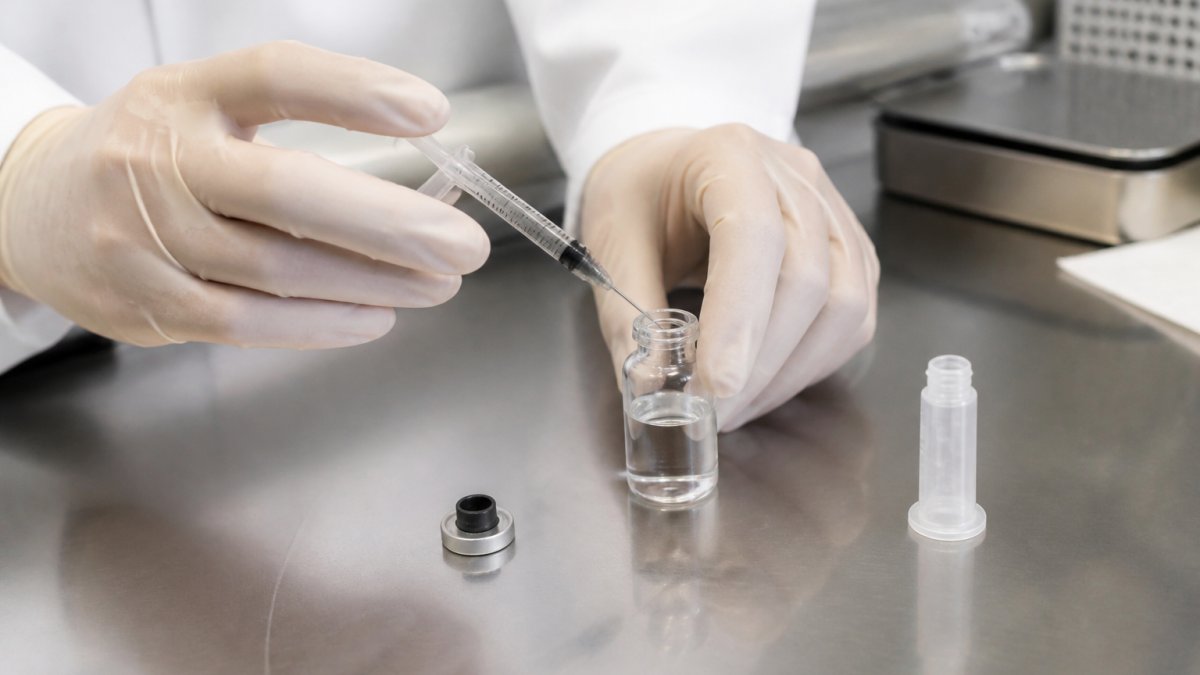
A semaglutide compounding pharmacy is a state-licensed facility that prepares custom GLP-1 medications under strict pharmaceutical standards. Legitimate operations operate under federal and state oversight, maintain clean preparation environments, and employ licensed pharmacists who verify every prescription with a qualified healthcare provider.
FDA-documented supply challenges with brand-name semaglutide have created opportunity for compounding pharmacies to serve patients, but also risk from unregulated operations. Verifying credentials separates safe treatment from dangerous alternatives.
A legitimate semaglutide compounding pharmacy must be state-licensed, employ a pharmacist who verifies your prescription, and operate under documented quality standards. Any pharmacy that skips these steps is not worth the risk.
How to Verify 503A vs 503B Compounding Pharmacies
Compounding pharmacies operate under two regulatory frameworks: 503A (state-licensed traditional pharmacy compounding) and 503B (federally registered outsourcing facilities). This distinction determines what oversight applies to your medication.
A 503A compounding pharmacy is state-licensed and prepares medications in response to individual patient prescriptions. A licensed pharmacist reviews your prescription, verifies it came from a qualified physician, and prepares your medication in a clean environment.
A 503B outsourcing facility is federally registered and prepares medications in bulk for distribution to healthcare providers. These facilities meet more stringent sterility and quality standards than 503A pharmacies but typically do not interact directly with patients.
To verify your pharmacy’s status, check your state’s Board of Pharmacy website. Search for the pharmacy by name and confirm it shows as “active” with a valid license, address, license number, and any disciplinary history.
Before ordering from any compounding pharmacy, ask for their state pharmacy license number and verify it independently on your state Board of Pharmacy website. If they hesitate to provide this, find another pharmacy.
If the pharmacy claims to be a 503B facility, verify this through the FDA’s registry of registered outsourcing facilities. The FDA maintains a searchable database of all registered 503B facilities. Any legitimate 503B operation will be listed there with a registration number.
Understanding FDA Drug Shortage List Semaglutide Status
The FDA maintains an active drug shortage list that tracks which medications face supply constraints. Semaglutide has appeared on this list multiple times, which is why many patients turn to compounding pharmacies as an alternative.
When a medication appears on the FDA drug shortage list, it means the FDA has verified that the drug is in short supply and patients may have difficulty accessing it through normal channels. This triggers regulatory flexibility that allows compounding pharmacies to prepare the medication without a specific patient request in some cases.
Check the current status of semaglutide on the FDA shortage list before committing to a compounding pharmacy. If semaglutide is no longer listed as in short supply, you may have better options through brand-name products or other GLP-1 alternatives. The shortage status changes periodically, so verify the current status directly on the FDA website rather than relying on a pharmacy’s claims about availability.
Checking State Board of Pharmacy Listings and Credentials
Your state Board of Pharmacy is the primary regulator of compounding pharmacies. Every legitimate operation must maintain an active license with this board, and every board publishes a searchable database of licensed pharmacies.
To verify a compounding pharmacy’s credentials, visit your state Board of Pharmacy website and search for the pharmacy by name. The listing should show:
- Active license status (not expired or suspended)
- License number and issue date
- Pharmacy address and phone number
- Disciplinary history (if any)
If a pharmacy does not appear in your state’s database, it is not licensed to operate in your state. Do not order from unlicensed operations, regardless of how professional their website appears.
Ask the pharmacy for documentation of their quality standards, including whether they follow USP standards for sterile compounding and conduct regular testing for potency and purity.
Medically Supervised Weight Loss Programs: Finding the Right Fit
Compounding semaglutide requires a structured medical weight loss program with clinical oversight, dosage titration, and side effect management directed by a qualified physician or nurse practitioner.
A medically supervised weight loss program should include:
- Initial health screening to confirm semaglutide is appropriate for you
- Regular check-ins (at minimum monthly) to monitor your progress and side effects
- Dosage adjustments based on your response and tolerance
- Nutritional guidance and behavioral support
- Access to clinical staff if you experience adverse reactions
Ask about prescriber credentials. Your treatment should be directed by a board-certified physician or nurse practitioner with GLP-1 experience. Provider credentials matter more than location.
Verify that the program includes documentation of your medical history, baseline weight and health markers, and follow-up measurements. Legitimate programs track your results and adjust your treatment plan based on actual outcomes, not a one-size-fits-all protocol.
Weight loss programs that skip the initial health screening or do not require regular follow-ups are cutting corners on safety. GLP-1 medications carry real side effects and medical risks, treatment without clinical oversight is not cost savings, it is gambling with your health.
Safety Standards and Regulatory Compliance for Compounded Medications
Compounded semaglutide must meet the same pharmaceutical standards as brand-name versions, but the burden of verification falls on you and your healthcare provider. Understanding what to look for, and how to maintain the medication once you receive it, protects you from substandard products and degraded doses.
Legitimate compounding pharmacies follow United States Pharmacopeia (USP) standards covering environment, equipment calibration, pharmaceutical-grade ingredients, documented procedures with batch testing, and complete records.
Ask whether the pharmacy conducts third-party testing to verify the medication contains the stated amount of semaglutide and is free from contaminants.
Understand the difference between pharmaceutical-grade semaglutide and research-grade or cosmetic-grade alternatives. Only pharmaceutical-grade material is appropriate for human injection. If a pharmacy cannot confirm the source and grade of their raw materials, that is a red flag.
Storage and Stability: A Critical Safety Step Most Patients Overlook
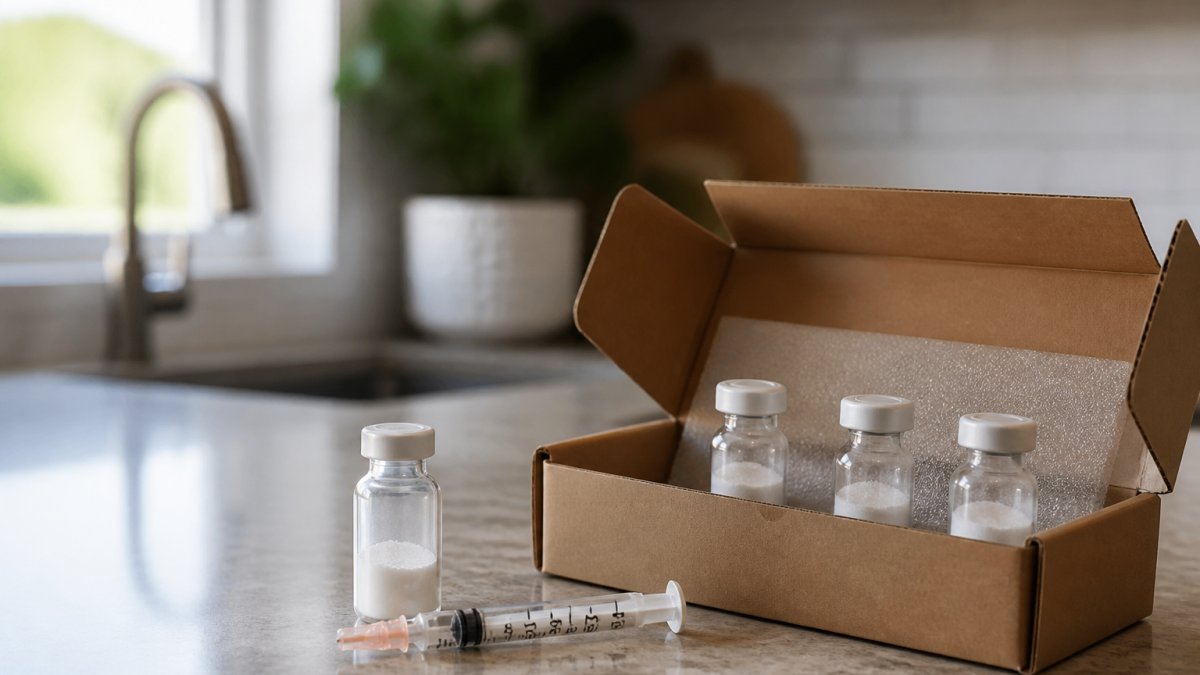
Compounded semaglutide vials are far more sensitive to storage conditions than brand-name versions. Improper storage degrades the medication and reduces potency.
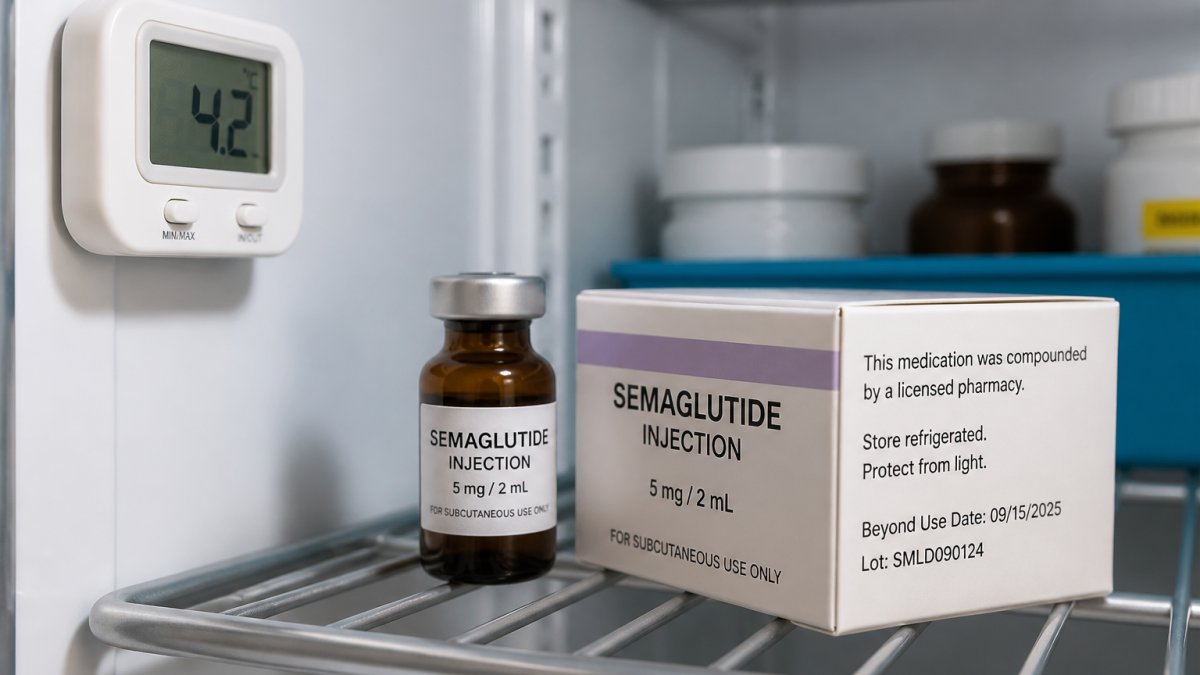
Compounded semaglutide must be stored at 36-46°F (2-8°C) immediately upon receipt. This means refrigerator storage, not room temperature.
Once opened, a compounded semaglutide vial remains stable for up to 28 days at 36-46°F.
Ask your pharmacy for written storage instructions and stability data with each shipment. Request this documentation before your first order if not provided.
Keep a thermometer in your refrigerator and check it weekly. If temperature drifts above 46°F, adjust the thermostat or consider a dedicated medication refrigerator.
When traveling, use an insulated medication travel case with reusable ice packs. These cases maintain the correct temperature for 24-48 hours depending on ambient conditions.
If you miss a dose because your medication degraded due to improper storage, contact your prescriber immediately.
What to Ask During Your Virtual Consultation
Your initial consultation is your opportunity to assess whether the program takes safety seriously. Prepare questions about side effect management, the most common reason patients stop GLP-1 therapy.
Ask about the prescriber’s credentials and experience with GLP-1 therapy. Request the name, medical license number, and board certification of the physician or nurse practitioner who will oversee your treatment. Verify these credentials independently through your state’s medical licensing board if you have any doubt.
Discuss your medical history including current medications, history of thyroid disease, pancreatitis, gallbladder problems, and family history of medullary thyroid cancer, as these influence semaglutide appropriateness and monitoring needs.
Side Effect Management: The Critical Conversation Most Programs Skip
Nausea, constipation, and appetite suppression are common in the first 4-8 weeks of semaglutide therapy.
Ask your program for a detailed side effect management protocol before you start. A competent program should provide:
For nausea (the most common complaint):
- Specific dietary guidance: small, frequent meals (4-6 per day); avoid high-fat, high-sugar foods; prioritize protein and hydration
- Medication options: Ask whether your prescriber can recommend over-the-counter remedies (ginger supplements, vitamin B6, or prescription anti-nausea medication if needed)
- Timing strategy: Many patients report less nausea if they eat a small meal 30-60 minutes before their injection
- Escalation plan: If nausea persists beyond week 3 or is severe enough to prevent eating, your program should be prepared to reduce your dose and titrate more slowly
For constipation (the second most common):
- Hydration target: Most GLP-1 patients need 80-100 ounces of water daily, significantly more than standard recommendations
- Fiber strategy: Soluble fiber (psyllium husk, oat fiber) is more effective than insoluble fiber for GLP-1 patients; ask your program for specific product recommendations
- Medication options: Stool softeners (docusate) are often more effective than stimulant laxatives; ask your prescriber which is appropriate for you
- Activity: Even light daily movement (20-30 minute walks) significantly improves constipation in GLP-1 patients
For reduced appetite (the intended effect, but sometimes too strong):
- Caloric intake monitoring: Some patients become so full they cannot eat enough to maintain energy; your program should track your daily intake and adjust if you fall below 1,200 calories
- Nutrient density focus: When appetite is suppressed, every calorie must count; your program should provide guidance on nutrient-dense foods (lean protein, leafy greens, healthy fats) rather than empty calories
- Meal timing: Eating smaller portions more frequently (5-6 times daily) is often easier than three larger meals
Ask how often you can contact clinical staff if side effects become problematic. Legitimate programs offer access within 24 hours.
Ask about the dosage titration schedule. Semaglutide is typically started at 0.25 mg weekly and increased by 0.25 mg every week or every other week.
Discuss your program’s approach to medication breaks.
Clarify the cost structure and what is included. Ask whether the program includes follow-up appointments, dosage adjustments, and access to clinical staff between scheduled visits.
Ask about the source of their compounded semaglutide and how they verify pharmacy credentials. A program that works with multiple compounding pharmacies should explain their vetting process.
Request a written side effect management plan in writing before you start treatment.
Conclusion: Making Your Decision
Finding a safe, effective semaglutide compounding pharmacy requires verifying the pharmacy’s state license, prescriber credentials, and medication quality standards.
At MedShape Weight Loss Clinics, we partner with verified, state-licensed compounding pharmacies and provide board-certified physician oversight. Our medically supervised weight loss programs include personalized dosage titration, regular clinical check-ins, and comprehensive side effect management. Get started with MedShape Weight Loss Clinics and access the science-backed, physician-supervised care you deserve.
| Element | What to Verify | Where to Check |
|---|---|---|
| Pharmacy License | Active state license, license number | Your state Board of Pharmacy website |
| Prescriber Credentials | Board certification, medical license | Your state medical licensing board |
| Medication Quality | USP standards, third-party testing | Ask pharmacy directly; request documentation |
| Program Structure | Regular check-ins, dosage adjustment, side effect support | Initial consultation and program documentation |
| FDA Shortage Status | Current semaglutide supply status | FDA drug shortage list |
Frequently Asked Questions
How can I verify if a semaglutide compounding pharmacy is legitimate?
Check your state’s Board of Pharmacy website to confirm the pharmacy is state-licensed and the pharmacist is in good standing. Ask the pharmacy for their license number and verify it directly with your state regulator. Legitimate compounding pharmacies will provide proof of USP standards compliance and batch testing documentation. Request the pharmacy’s accreditation status from recognized bodies. Never use a pharmacy that cannot provide verifiable credentials or refuses to share their licensing information.
What is the difference between 503A and 503B compounding pharmacies?
503A pharmacies are state-licensed facilities that compound medications for individual patients with valid prescriptions. 503B pharmacies are FDA-registered outsourcing facilities that can distribute compounded drugs more broadly. For semaglutide, a 503A pharmacy compounds your specific prescription under state pharmacy board oversight. Both must follow USP standards, but 503A requires a patient-specific prescription and state licensing, while 503B operates under federal FDA registration with different regulatory pathways.
Is compounded semaglutide FDA-approved?
Compounded semaglutide is not FDA-approved as a finished product. However, it is legally compounded by licensed pharmacies using FDA-approved semaglutide ingredients under a valid prescription. The FDA regulates the compounding process and pharmacy standards, not the compounded medication itself. Your prescribing physician must determine whether compounded semaglutide is appropriate for your medical needs, and the pharmacy must follow USP standards for sterile compounding and quality control.
What should I know about semaglutide shortages and supply reliability?
Check the FDA drug shortage list regularly to understand current supply status for brand-name semaglutide and compounded alternatives. Compounded versions may have more consistent availability since they use pharmaceutical-grade ingredients sourced separately. Ask your compounding pharmacy about their ingredient sourcing and backup suppliers before starting treatment. Request information about their refill timeline and whether they can guarantee consistent supply for your dosage titration schedule. A reliable pharmacy will have documented supply protocols and communicate proactively about any potential delays.