Skip to content
Table of Contents
- Why Compounded Semaglutide for PCOS Cost Is Different
- Compounded Semaglutide Cost Per Month: What Drives the Number
- Semaglutide for PCOS: What the Medication Does and Does Not Address
- Compounded Semaglutide Insurance Coverage: What to Expect
- Compounded Semaglutide Safety and Pharmacy Quality
- Itemized Total Cost of Care: What Sits Outside the Medication Price
- PCOS Alternatives and Comparative Value
- Conclusion: Budgeting for Compounded Semaglutide With PCOS
- Frequently Asked Questions
Last Updated: October 6, 2026
Why Compounded Semaglutide for PCOS Cost Is Different
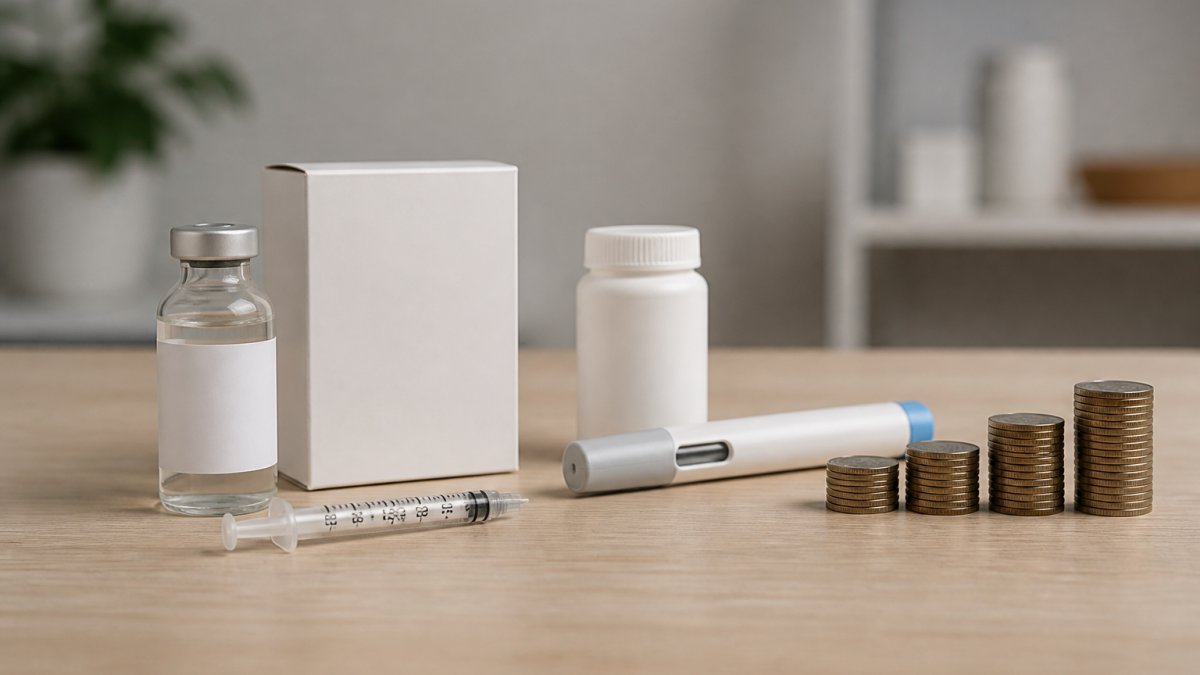
Compounded semaglutide for PCOS cost runs lower than brand-name GLP-1 medication, but the number you pay reflects a treatment plan built around a hormonal condition, not just a weight loss drug. At MedShape Weight Loss Clinics, we work with patients every day who need to understand both the clinical picture and the bill. This guide breaks down what drives the monthly price, what insurance will and will not cover, and what sits outside the medication itself.
How PCOS Changes the Treatment Conversation
Polycystic ovary syndrome (PCOS) is a hormonal disorder that affects how the body uses insulin and regulates androgens. Because insulin resistance sits at the center of many PCOS cases, weight management and blood sugar control are clinical goals, not cosmetic ones.
That changes how a prescriber approaches semaglutide. A licensed provider weighs dose escalation against menstrual symptoms, metabolic markers, and fertility plans. A treatment plan for PCOS often runs longer than a standard weight loss course, which spreads the cost across more months.
Compounded Semaglutide Cost Per Month: What Drives the Number
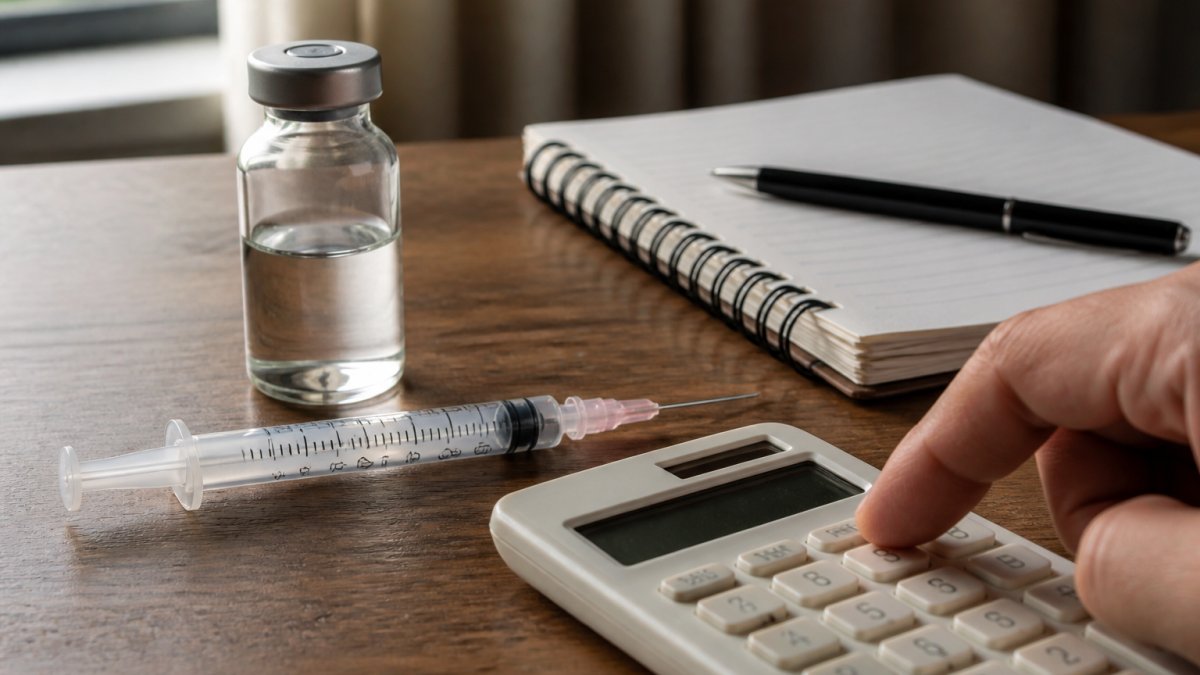
The monthly cost of compounded semaglutide is not a single number. It is a range that moves with your dose, your supply size, your provider’s fee structure, and how long you stay in treatment. Published cost guides report broad ranges for online compounded semaglutide, with figures from SingleCare’s semaglutide cost guide landing between roughly $129 and $497 per month. That spread is wide because the products and plans behind it are not the same.
Four variables move the number more than anything else:
- Dose and titration stage. Early doses cost less than maintenance doses because less active ingredient goes into each vial or pen.
- Monthly supply and plan length. A 30-day vial is priced differently than a 90-day package, and prepaid multi-month plans usually lower the per-month rate.
- Provider and pharmacy fees. Consultation, membership, dispensing, and shipping fees are often billed separately from the medication.
- PCOS-specific monitoring. Because treatment for PCOS often runs longer than a standard weight-loss course, the total cost is spread across more months, and any lab work or follow-up tied to metabolic markers adds to the annual figure.
Dose, Titration, and Monthly Supply
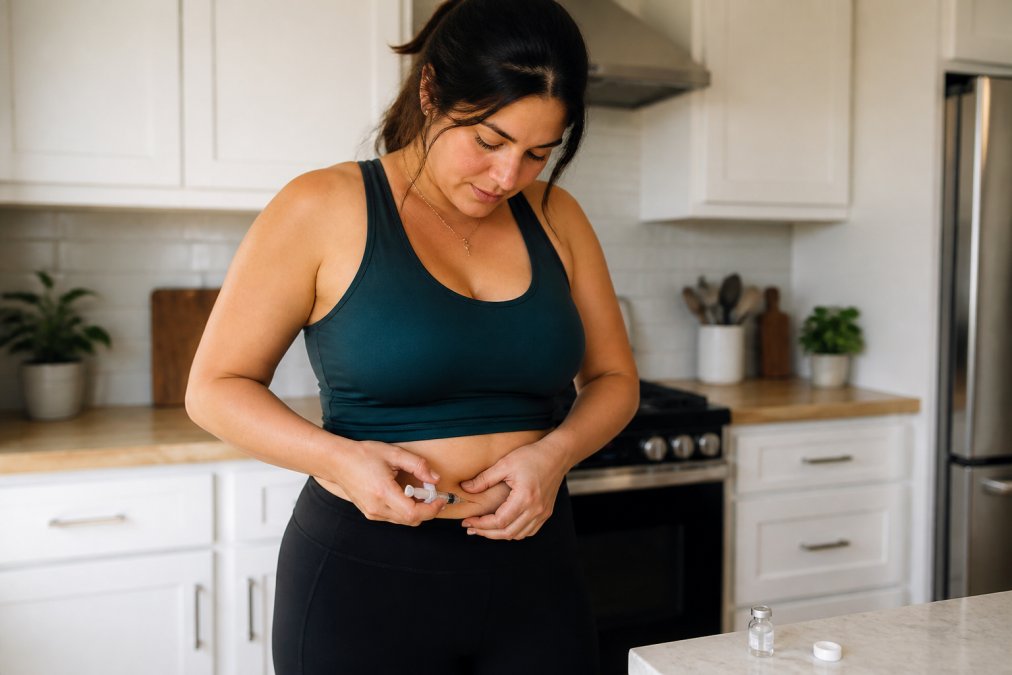
Semaglutide starts low and escalates slowly. This is called titration, and it exists to limit side effects. A typical schedule steps the dose up every four weeks until a maintenance dose is reached. That schedule directly affects your monthly cost: the first month is the cheapest, and later months cost more as the dose rises.
A common pattern is that introductory pricing applies only to the starting dose. Once you move into maintenance, the per-month rate climbs, sometimes by 50% or more over the starting price. Ask any provider to show you the price at each titration step before you start, not just the starting price.
Price by Dose and Treatment Duration
Because PCOS care often continues past the point where a weight-loss-only course would stop, the cost you should budget is the cost across the full course, not the first month. A practical way to compare providers is to ask for a table like this, filled in with their actual numbers:
| Stage | Typical Duration | What Changes |
|---|---|---|
| Starting dose | First 4 weeks | Lowest medication price; introductory rate may apply |
| Titration steps | Weeks 5-16 | Price rises with each dose increase |
| Maintenance dose | Month 5 onward | Highest medication price; PCOS monitoring may continue |
| Multi-month prepay | Any stage | Lower per-month rate, but paid upfront |
Add the medication line to the provider, membership, dispensing, and follow-up lines before you compare two programs. A low medication price with high membership fees can cost more over a year than a higher medication price with everything included.
Ask for a written price schedule that lists cost at every dose level through maintenance, plus the total for the first 12 months. A provider quoting only the starting price is hiding the real monthly number.
Semaglutide for PCOS: What the Medication Does and Does Not Address
Semaglutide is a GLP-1 medication that mimics a gut hormone to reduce appetite and slow digestion. For PCOS, providers sometimes prescribe it off-label to support weight management and improve insulin sensitivity. It is not FDA-approved specifically for PCOS.
What it does not do: it does not cure PCOS, restore regular ovulation on its own, or replace treatment for androgen excess. Many patients need combined care, including nutrition support and, in some cases, other medications.
That distinction matters for cost. If you expect semaglutide to solve every PCOS symptom, you may end up paying for additional treatments you did not budget for. A realistic treatment plan prices the whole picture.
Compounded Semaglutide Insurance Coverage: What to Expect
Insurance coverage for compounded semaglutide is rare. Most plans exclude compounded medications, and many exclude GLP-1 drugs for weight management entirely. Coverage for PCOS-related treatment depends on your specific plan, the indication on the prescription, and how the claim is coded, not on the diagnosis alone.
That last point matters. A plan may cover a GLP-1 for a metabolic indication but not for weight management, and the same patient can get different answers depending on which indication the prescriber documents. Because semaglutide is not FDA-approved specifically for PCOS, a PCOS diagnosis by itself is unlikely to unlock coverage for a compounded product.
What to Check Before You Commit
- Whether your plan covers brand-name GLP-1 medication for a PCOS or metabolic diagnosis
- Whether a prior authorization is required, and what documentation the plan wants
- Whether your plan recognizes compounded semaglutide at all
- Whether the plan has a step-therapy rule that requires trying a cheaper drug first
- What your deductible and out-of-pocket maximum are for the year
Questions to Ask Your Insurer
Call the member services number on your card and ask these directly:
- Is compounded semaglutide a covered benefit under my plan?
- If not, is brand-name semaglutide covered for my diagnosis, and does it need prior authorization?
- What documentation does the plan require from my prescriber?
- What will my out-of-pocket cost be after deductible and coinsurance?
- Is there an appeal process if the claim is denied?
Get the answers in writing, a reference number or a copy of the plan’s coverage policy, before you assume a drug is or is not covered.
Out-of-Pocket Scenarios
Without insurance, you pay out of pocket, and the math depends on which path you take. According to Eden’s guide to semaglutide cost without insurance, compounded semaglutide is often the lower-cost path, though availability depends on individual circumstances. A brand-name product without coverage can run into the high hundreds or more per month, while a compounded product typically sits in the range described above, but the compounded option comes with the quality and legality caveats covered later in this article.
Coverage is plan-specific, not diagnosis-specific. Ask your insurer five questions, get the answers in writing, and compare the out-of-pocket total for brand-name versus compounded before you decide.
Compounded Semaglutide Safety and Pharmacy Quality
Compounded semaglutide safety depends on the pharmacy. Compounded drugs are not FDA-approved, and quality varies by source (the FDA). A licensed compounding pharmacy follows state and federal standards, but the product is not interchangeable with brand-name medication.
Ask these questions before you start:
- Is the pharmacy licensed in your state?
- Does the provider disclose the pharmacy’s name?
- What is the beyond-use date on your supply?
- How are side effects monitored between refills?
Buying compounded semaglutide from an unverified source risks dosing errors and contamination. Confirm the pharmacy is licensed and the prescriber is board-certified before you pay.
Questions to Ask Before You Start
Use this checklist during your medical consultation:
- Which pharmacy fills my prescription, and is it licensed in my state?
- What is the total monthly cost at each titration step?
- What fees sit outside the medication price?
- How often are follow-up visits required?
- What happens if I cannot tolerate the medication?
Itemized Total Cost of Care: What Sits Outside the Medication Price
The medication price is not the total cost of care. Patients routinely underestimate the add-ons, and those add-ons can rival the drug itself over a year of treatment.

| Cost Category | What It Covers | Billing Frequency |
|---|---|---|
| Medication | Compounded semaglutide supply | Monthly |
| Medical consultation | Initial evaluation and prescription | One-time or annual |
| Provider fee | Ongoing supervision and dose adjustments | Monthly or per visit |
| Membership fee | Program access and support | Monthly |
| Dispensing and shipping | Pharmacy handling and delivery | Per fill |
| Follow-up care | Lab work and check-ins | As scheduled |
Add these lines together before you compare any two providers. A low medication price with high membership fees can cost more than a higher medication price with everything included.
PCOS Alternatives and Comparative Value
Semaglutide is not the only option for PCOS-related weight management. Metformin, inositol supplements, structured nutrition plans, and lifestyle programs all play a role, and some cost far less per month.
The trade-off is not just price. It is how much support you get and how closely a provider monitors your progress. A cheaper option that you abandon after two months has no value. A supervised program that keeps you on track through titration often delivers more per dollar.
For patients who want medically supervised care with a transparent structure, MedShape Weight Loss Clinics offers compounded semaglutide and tirzepatide programs led by board-certified physicians. Our telemedicine services are available, and our team builds each plan around your health history rather than a fixed template.
Conclusion: Budgeting for Compounded Semaglutide With PCOS
The hardest part of budgeting for compounded semaglutide with PCOS is that the monthly number keeps moving. Dose changes, provider fees, and follow-up care all shift the total, and no single quote captures a full year of treatment.
Plan for the whole course, not the first month. MedShape Weight Loss Clinics builds itemized treatment plans with board-certified physician oversight, customized dosing for your health needs, and telemedicine access nationwide. Get started with MedShape Weight Loss Clinics and see a clear monthly cost before you commit.
Frequently Asked Questions
How much does compounded semaglutide cost for PCOS?
Reported prices for compounded semaglutide from online providers have ranged from about $129 to $497 per month, according to published cost guides. That range is not a quote from any single pharmacy. Your actual monthly cost depends on your starting dose, how quickly your dose is escalated, the concentration your pharmacy dispenses, and whether consultation, shipping, and follow-up visits are bundled into the price or billed separately. Ask each provider for a written itemized breakdown before you commit.
Does insurance cover compounded semaglutide for PCOS?
Compounded semaglutide is generally not covered by insurance because it is not an FDA-approved product. Brand-name semaglutide may be covered when prescribed for an approved indication, but coverage for PCOS-related weight management varies by plan and often requires prior authorization or a documented diagnosis. Check your plan’s formulary and ask whether off-label use is excluded. Many patients pay out of pocket for compounded versions, which is part of why the monthly cost conversation matters so much.
Is compounded semaglutide cheaper than Ozempic or Wegovy?
Reported compounded semaglutide prices of roughly $129 to $497 per month sit well below the list prices of brand-name semaglutide products, which can run into the high hundreds or over a thousand dollars per month without insurance. The gap narrows if your insurance covers the brand-name version with a low copay. Compare your real out-of-pocket cost on each path, including provider fees, rather than comparing sticker prices alone.
What should I ask a provider before starting compounded semaglutide?
Ask which licensed pharmacy compounds the medication and whether it is a state-licensed compounding pharmacy. Ask for the total monthly cost in writing, including the medication, consultation, follow-up care, and shipping. Ask how dose escalation affects price and what happens if you cannot tolerate a dose. Ask how they handle refills and shortages. Finally, ask whether a board-certified physician reviews your history and how side effects are managed between visits.