Skip to content

Table of Contents
- Why Compounded Semaglutide Patient Assistance Programs Work Differently
- Do Manufacturer Patient Assistance Programs Cover Compounded Semaglutide?
- What Compounded Semaglutide Cost Looks Like Without Insurance
- Semaglutide Savings Card Eligibility: Who Qualifies and Who Does Not
- Compounded Semaglutide Insurance Coverage: Why Most Claims Get Denied
- Compounded Semaglutide Safety: What to Verify Before You Start
- Application Walkthrough: Documents You Need and Steps to Take
- Alternatives If You Are Ineligible for Assistance
- Frequently Asked Questions
Last Updated: October 6, 2026
Why Compounded Semaglutide Patient Assistance Programs Work Differently
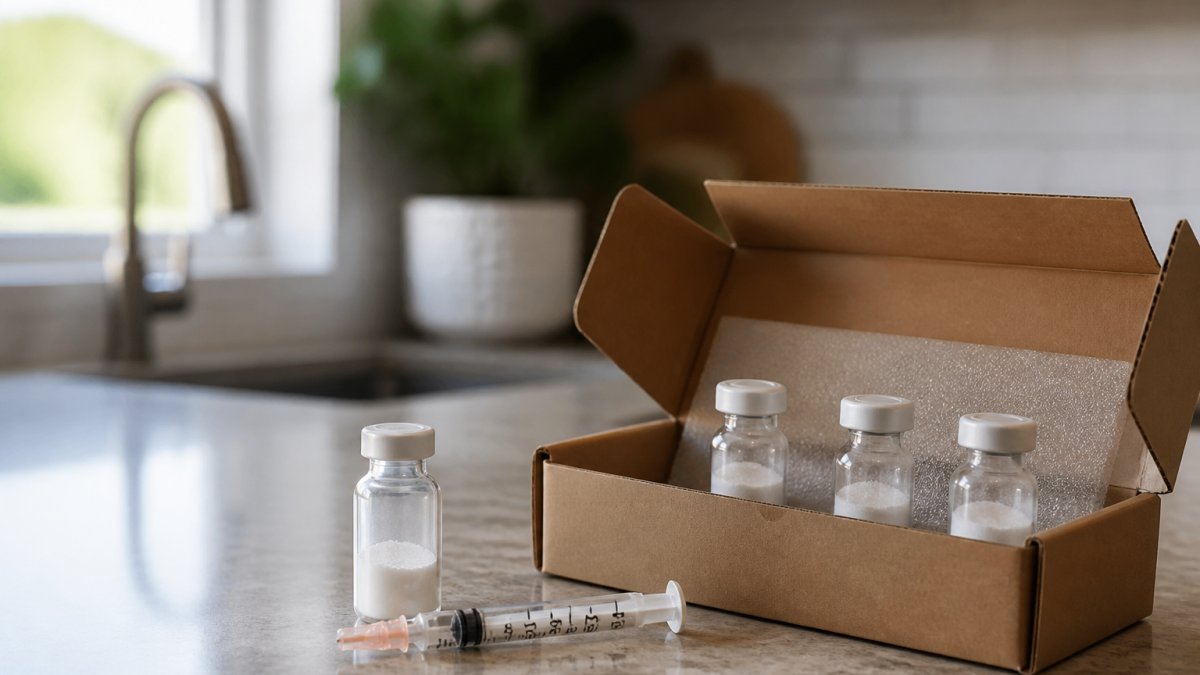
Compounded semaglutide patient assistance programs help patients cover the cost of compounded semaglutide, a custom-mixed version of the GLP-1 medication made by a licensed compounding pharmacy rather than the original manufacturer.
Manufacturer programs discount a company’s own branded product. Compounded semaglutide is not that product, so those programs generally will not touch it.
Below, we break down who qualifies for help, what to verify, and the practical steps if you pay out of pocket.
Manufacturer savings cards and patient assistance programs are built around brand-name drugs. For compounded semaglutide, your realistic options are self-pay pricing, clinic payment plans, and HSA or FSA funds.
Do Manufacturer Patient Assistance Programs Cover Compounded Semaglutide?
No. Manufacturer patient assistance programs, often shortened to PAP, do not cover compounded semaglutide. They are run by drugmakers and apply only to their FDA-approved brand-name products.
A PAP is tied to that brand’s medication, labeling, and distribution. When a compounding pharmacy prepares semaglutide from bulk ingredients, the manufacturer has no role in that product and no program to subsidize it.
So a manufacturer PAP for compounded semaglutide does not exist. What you will find are self-pay options and clinic-based financial help.
Manufacturer Programs and Compounded Medications: What You Need to Know
A manufacturer assistance program is financial support from a drug company to help eligible patients afford its own prescription medication. Eligibility usually depends on income, insurance status, and residency.
Here is the key distinction:
- Brand-name semaglutide PAP: Covers the manufacturer’s approved product only.
- Compounded semaglutide: Made by a licensed compounding pharmacy, not the manufacturer.
- Result: The two rarely connect. Manufacturer aid does not extend to compounded versions.
If a website promises manufacturer assistance for a compounded product, treat that as a red flag.
What Compounded Semaglutide Cost Looks Like Without Insurance
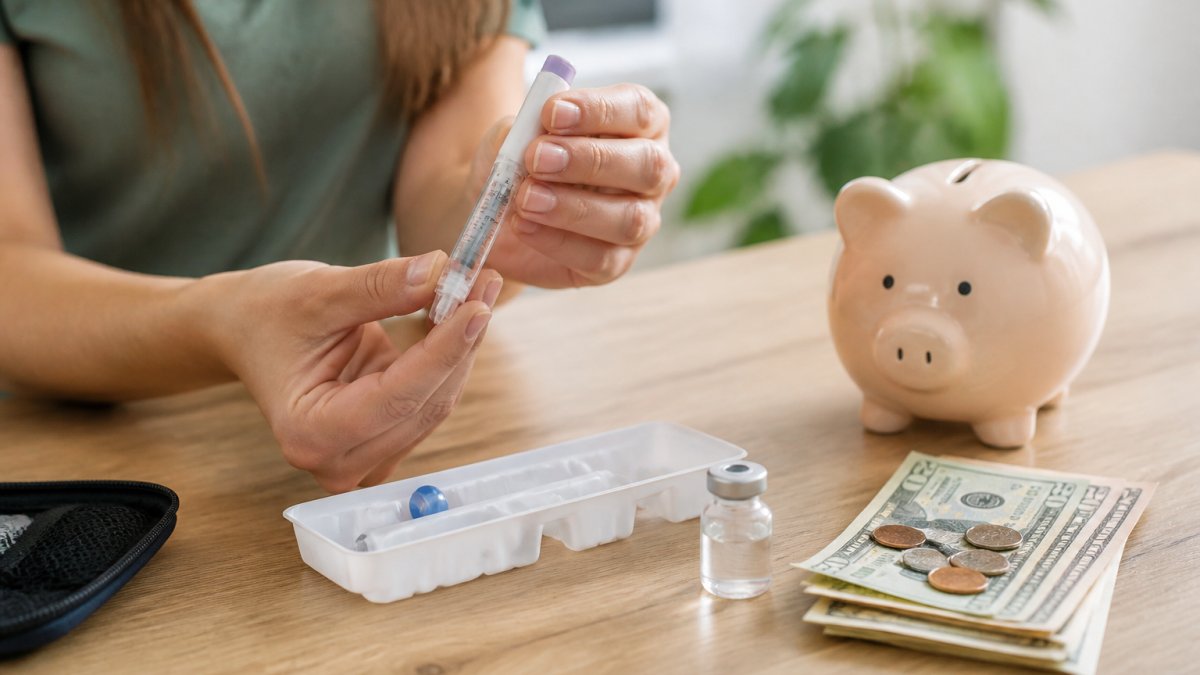
Compounded semaglutide cost without insurance is typically lower than brand-name pricing, but it is not free and not one flat number. What you pay depends on the pharmacy, dose, monthly supply, and whether the clinic bundles medical supervision.
Several factors drive the monthly cost:
- Dose and dose escalation: Your price often rises as your dose increases over time.
- Monthly supply: A 30-day supply is standard, but refill timing affects your total.
- Pharmacy type: Licensed and accredited pharmacies may charge more than unverified sources.
Because pricing varies, we do not quote a single figure. Ask any clinic for a full cost breakdown before you commit, listing medication, provider visits, and lab work separately.
The advertised monthly price is rarely the total cost. Watch for separate charges for labs, dose increases, shipping, and provider check-ins. Add them up before you compare programs.
Semaglutide Savings Card Eligibility: Who Qualifies and Who Does Not
Semaglutide savings card eligibility almost always requires commercial insurance and a prescription for the brand-name drug.
That means the typical requirements include:
- Active commercial insurance coverage
- A valid prescription for the brand-name product
- U.S. residency
If you are uninsured, underinsured, or using a compounded version, a savings card usually will not apply. Many patients assume “savings card” works for any semaglutide.
For compounded semaglutide, savings cards are generally not an option. Your path runs through self-pay pricing or clinic financial assistance instead.
Compounded Semaglutide Insurance Coverage: Why Most Claims Get Denied
Compounded semaglutide insurance coverage is limited, and most claims get denied. Insurers typically cover FDA-approved medications, and a compounded version lacks that approval, so claims are often rejected.
Here is what usually happens:
- You submit a claim for compounded semaglutide.
- The insurer flags it as a non-covered compounded product.
- The claim is denied.
You can appeal a denial, but success is not guaranteed. Some plans cover compounded medications when a brand-name option is unavailable or not tolerated, but that is the exception.
If your claim is denied, ask your insurer in writing why, then ask your clinic for documentation supporting medical necessity.
Compounded Semaglutide Safety: What to Verify Before You Start
Compounded semaglutide safety depends heavily on where the medication comes from. The active ingredient belongs to the same drug class as the brand-name product, but quality controls are only as good as the pharmacy behind it, and the regulatory picture has shifted.
The Regulatory Context You Should Understand
Compounding in the United States operates under two main tracks:
- Section 503A pharmacies compound for individual patients based on a valid prescription, typically operating under state boards of pharmacy and FDA guidance.
- Section 503B outsourcing facilities register with the FDA and can compound larger volumes, often under stricter current good manufacturing practice expectations.
Federal regulators have repeatedly updated their position on whether semaglutide and similar GLP-1 drugs can be compounded at scale. When the FDA determines brand-name supply is adequate, it signals that large-scale compounding of that molecule is no longer justified.
A pharmacy that was lawfully compounding semaglutide six months ago may not be permitted to do so today. A legitimate program will tell you its current status. (Source: the average out-of-pocket cost for prescription medications)
A Concrete Verification Checklist
Work through each item before your first dose:
- Valid prescription. A licensed U.S. prescriber must write the order for you specifically. No prescription, no legitimate compound, full stop.
- Pharmacy license. Ask for the pharmacy’s name, its license number, and the state board that issued it. Verify the license directly with that board’s online lookup tool.
- 503A or 503B status. Confirm which track the pharmacy operates under and whether it is registered with the FDA as an outsourcing facility if it claims 503B status.
- Accreditation. Look for accreditation from a recognized pharmacy accrediting body such as the National Association of Boards of Pharmacy or the Accreditation Commission for Health Care. Accreditation is voluntary, but it signals that the pharmacy has submitted to outside review.
- Ingredient sourcing. Ask where the active pharmaceutical ingredient comes from and whether the pharmacy can provide a certificate of analysis. A reputable compounder will have this on hand.
- Labeling. The vial or pen should list the drug name, strength or concentration, the beyond-use date, the lot number, and storage instructions. Missing or vague labeling is a red flag.
- Dosing instructions. You should receive written instructions that match what your prescriber told you. If the numbers do not line up, stop and ask.
- Adverse-event reporting. Ask how the pharmacy and clinic handle side effects and whether they report to the FDA’s MedWatch program. Every legitimate operation has an answer.
Red Flags That Should End the Conversation
- A website that sells compounded semaglutide without requiring a prescription.
- A price that is dramatically lower than every other quote you have received.
- A refusal to name the pharmacy or share its license number.
If a seller will not tell you which pharmacy compounds your medication, walk away. Legitimate clinics and telehealth programs share this information as a matter of routine.
Reporting a Problem
If you suspect a compounded product has harmed you or was sold unlawfully, you can file a report with the FDA’s MedWatch program and with your state board of pharmacy. Keep your vial, your prescription, and any correspondence, those details make a report actionable.
Ask your clinic for the compounding pharmacy’s name and license number in writing before you pay. A reputable program will provide it without hesitation. If they will not, that is your answer.
Application Walkthrough: Documents You Need and Steps to Take
There is no single “compounded semaglutide patient assistance program” application. What exists is a patchwork of clinic payment plans, self-pay discount arrangements, and, for brand-name products only, manufacturer PAPs and savings cards.

Step 1: Identify the Right Program Type
Ask the clinic or program directly: does this assistance apply to a compounded preparation or an FDA-approved brand-name product?
- If the answer is brand-name only, you are looking at a manufacturer PAP or savings card. Those programs will not subsidize a compounded version.
- If the answer is compounded, you are looking at a clinic payment plan, a sliding-scale discount, or a self-pay arrangement, not a manufacturer program.
Getting this wrong is the most common reason people waste weeks on an application that was never going to cover their medication.
Step 2: Gather Your Documents
Most clinic-based and self-pay assistance applications ask for a similar packet. Have these ready:
- Photo identification, a state-issued driver’s license or ID card.
- Proof of income, recent pay stubs (typically the last two to four), a prior-year tax return, or a benefits letter from a program such as Social Security or SNAP.
- Proof of residency, a utility bill, lease, or bank statement showing your current address.
For manufacturer PAPs specifically, most programs also require an income threshold (often a percentage of the federal poverty level), U.S. residency, and no other coverage for the drug. Some also require that you are not enrolled in a government healthcare program.
Step 3: Complete the Application Carefully
Missing fields are the number one reason applications stall. Fill in every line, even if the answer is “not applicable”, write that explicitly rather than leaving it blank.
Step 4: Submit Through the Correct Route
- Clinic payment plans: Submit directly to the clinic’s billing or patient-services office.
- Manufacturer PAPs: Submit through the manufacturer’s own portal, by mail, or through your prescriber’s office, depending on the program.
- Savings cards: Usually activated at the pharmacy counter or downloaded from the manufacturer’s site and presented with your prescription.
Keep a copy of everything you send, including the date and the method of submission.
Step 5: Wait, and Follow Up
Timelines vary widely. Ask for an estimated decision window when you apply, and follow up in writing if you have not heard back by that date. A short, polite email referencing your application number usually moves things along.
Step 6: Confirm Your Cost in Writing
Before your first shipment or dose, get the final monthly cost in writing, broken out by medication, provider visits, lab work, shipping, and dose-escalation charges. If a program will not put the number in writing, treat that as a warning sign.
If Your Application Is Denied
A denial is not always final. Ask the program in writing for the specific reason. Common reasons include:
- Income above the program’s threshold.
- Missing or illegible documentation.
- The program does not cover compounded preparations.
If the denial is based on missing documents, you can usually reapply once you supply them. If it is because the program does not cover compounded medication, no resubmission will change that, pivot to self-pay, a clinic plan, or a coverage appeal.
Before you spend time on any application, confirm in writing whether the program covers compounded semaglutide or only FDA-approved brand-name products. That one question saves most people weeks.
Alternatives If You Are Ineligible for Assistance
Ineligibility is not a dead end. If manufacturer aid and insurance both fall through, several paths remain.
- Self-pay through a clinic: Many clinics offer compounded semaglutide at a self-pay rate with payment plans.
- HSA or FSA funds: If you have a health savings or flexible spending account, check whether your plan allows these funds for your treatment.
- Clinic financial assistance: Some programs offer their own discount or sliding-scale help.
This is where a medically supervised program earns its keep. At MedShape Weight Loss Clinics, our board-certified physicians build a plan around your budget and health needs.
The cheapest option is not always the best one. The right program balances cost, safety, and real medical oversight.
Frequently Asked Questions
Are there patient assistance programs for compounded semaglutide?
Manufacturer patient assistance programs for semaglutide are designed for their FDA-approved brand-name products, not compounded versions. Compounded semaglutide is made by licensed compounding pharmacies and falls outside those programs. Some compounding pharmacies and telehealth clinics offer their own financial assistance or payment plans, but these vary widely. If you need help affording compounded semaglutide, ask your prescriber about clinic-specific programs, nonprofit grants, or self-pay options through licensed pharmacies.
Can insurance cover compounded semaglutide?
Most insurance plans do not cover compounded semaglutide. Compounded medications are not FDA-approved, and insurers typically require FDA approval for coverage. Some plans may cover compounded semaglutide if a patient has a documented allergy or intolerance to the brand-name version, but this is uncommon. If your claim is denied, you can file an appeal with supporting documentation from your licensed healthcare provider. Check your specific plan’s formulary and coverage policies before assuming you will pay out of pocket.
How do I check whether a semaglutide savings program applies to me?
Savings card eligibility for brand-name semaglutide typically requires commercial insurance and excludes patients with government insurance like Medicare or Medicaid. You can check eligibility on the manufacturer’s website or ask your pharmacist to run your information through the savings program. For compounded semaglutide, manufacturer savings cards do not apply. Instead, ask your clinic or compounding pharmacy about their own discount programs, cash prices, and payment options. Always verify current eligibility criteria directly with the program.
What should I ask a provider before starting compounded semaglutide?
Ask whether the compounding pharmacy is licensed and accredited in your state, whether the semaglutide is tested for purity and potency, and what the total monthly cost includes beyond the medication itself. Confirm the provider is a licensed healthcare professional and ask about dose escalation, side effect management, and what happens if you need to stop treatment. Also ask whether the clinic offers ongoing support and how they handle supply issues. Getting clear answers helps you make an informed decision about safety and cost.
Finding affordable treatment is a real challenge, and the rules around compounded semaglutide make it harder. MedShape Weight Loss Clinics offers a cost-effective alternative to name-brand medications, with board-certified physicians, customized plans, and telemedicine available nationwide. Get started with MedShape Weight Loss Clinics and build a supervised plan that fits your health and your budget.