Skip to content
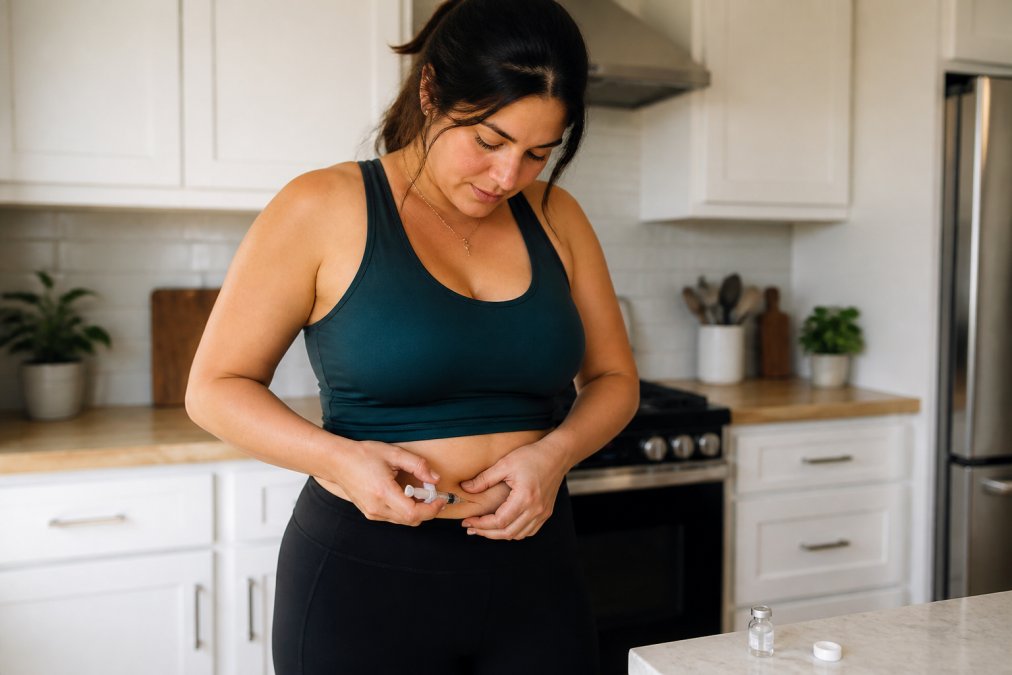
Table of Contents
- Step-by-Step: How to Inject Tirzepatide with Minimal Pain
- Tirzepatide Injection Sites: Where to Inject for Less Discomfort
- Subcutaneous Injection Technique: Pinch vs. Flat Skin and Needle Angle
- Temperature Optimization for Comfort
- Managing Injection Site Reactions
- Psychological Management of Needle Phobia
- Troubleshooting Common Injection Errors
- Conclusion: Building a Low-Pain Injection Routine
- Frequently Asked Questions
Last Updated: September 17, 2026
Step-by-Step: How to Inject Tirzepatide with Minimal Pain
Learning how to inject tirzepatide with minimal pain comes down to four things: the right supplies, a clean site, the correct angle, and steady hands. This guide from MedShape Weight Loss Clinics walks you through each step.
Most people find the first injection is the hardest. After that, the routine takes about two minutes.
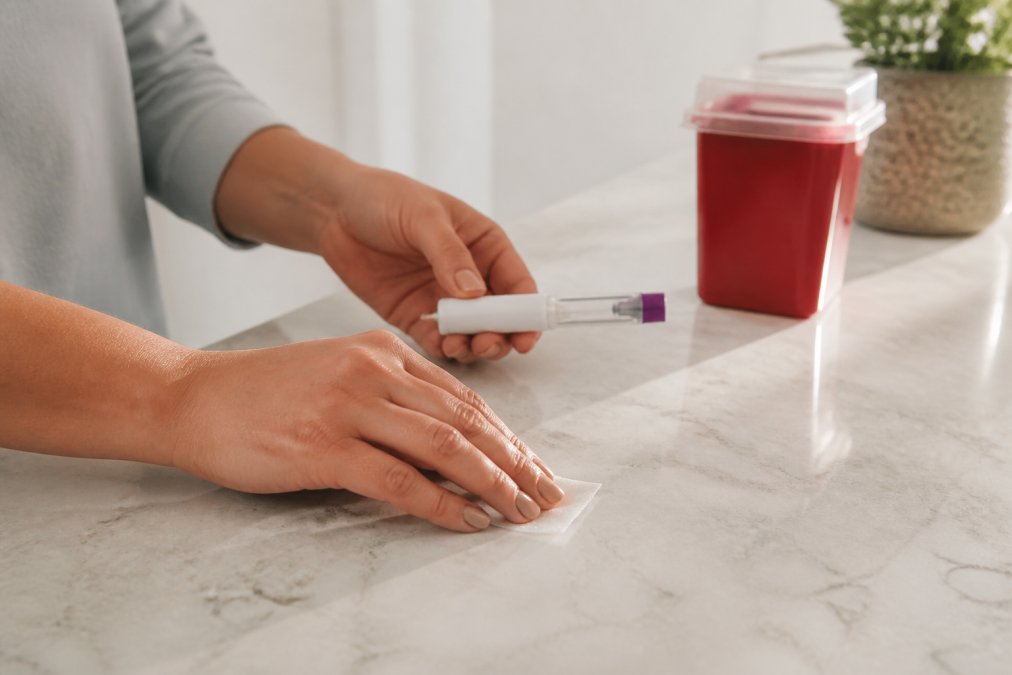
Gather Supplies and Prepare Your Workspace
Set out everything before you start. Fumbling mid-injection is the fastest way to a painful poke.
You will need:
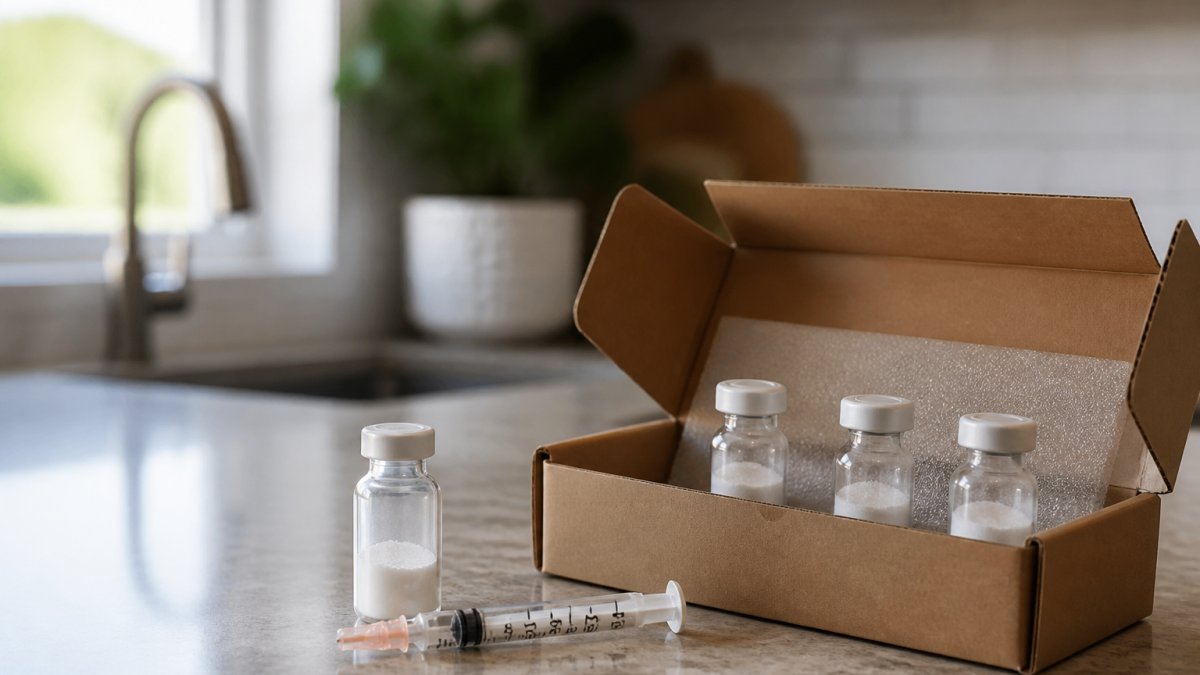
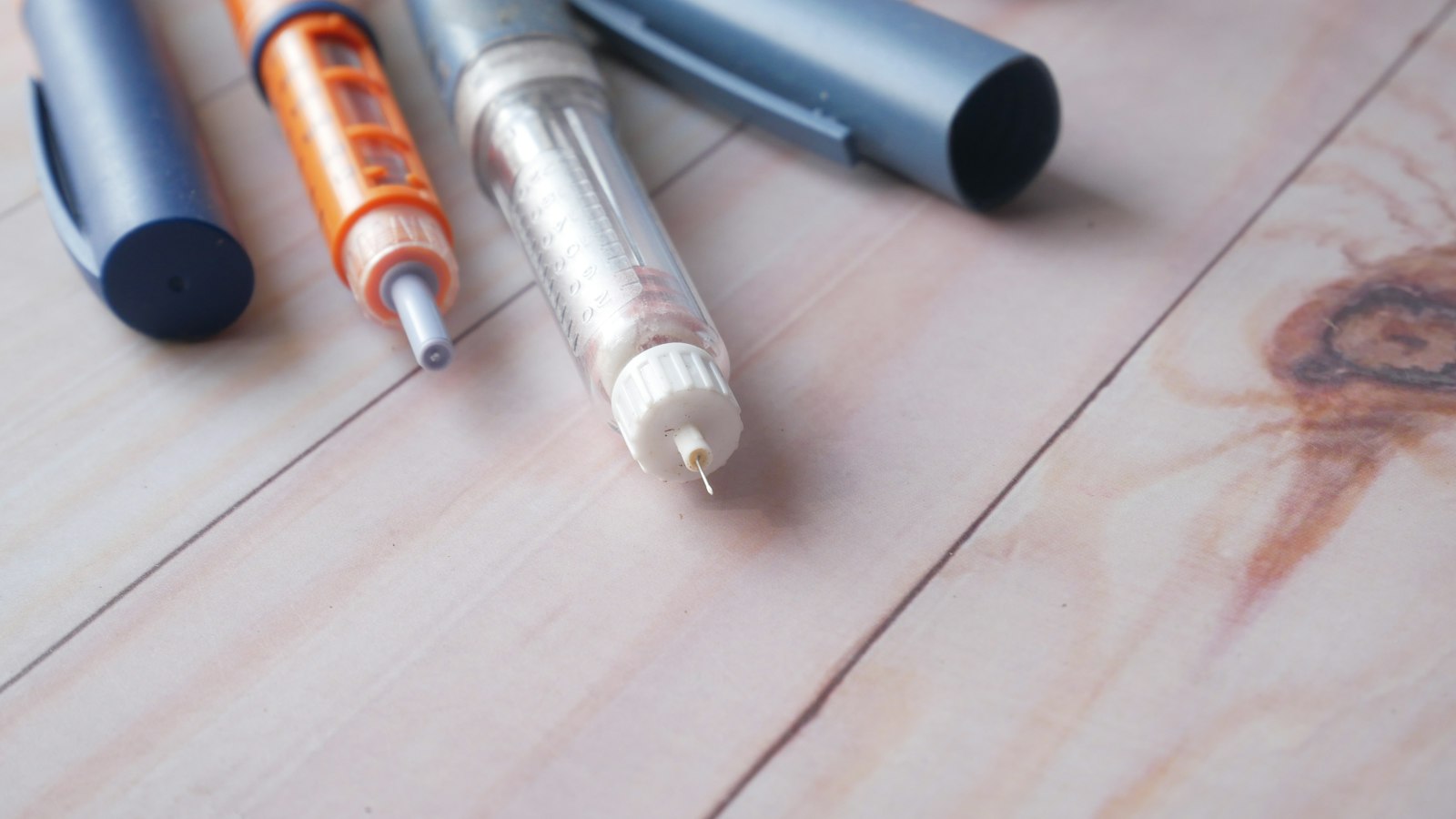
- Your tirzepatide pen or vial and syringe
- A new alcohol swab
- A gauze pad
- A sharps container
Pick a flat, well-lit surface. Wash your hands with soap and warm water for at least 20 seconds (the CDC).
Check your medication temperature. Cold liquid stings more than room-temperature liquid. If your pen has been in the fridge, let it sit out for 15 to 30 minutes first. The reason is mechanical, not just sensory: cold fluid is more viscous, so it needs more pressure to push through a narrow needle, and that pressure translates into a sharper, longer sting. Room-temperature medication flows more freely and the injection finishes faster.
Never rub the injection site before you inject. Rubbing brings blood to the surface and makes the area more tender afterward.
Prepare the Injection Site
Choose a spot with a layer of subcutaneous fat. The abdomen and thigh work best for most people.
Wipe the site with an alcohol swab. Let it air dry completely, about 10 seconds. Injecting into wet alcohol causes a sharp sting, and it also drags alcohol into the tissue track, which is why the burn lingers for a few seconds after the needle is out.
Do not inject into skin that is bruised, scarred, or tender. Rotate sites each time to keep tissue healthy.
Inject with the Right Angle and Depth
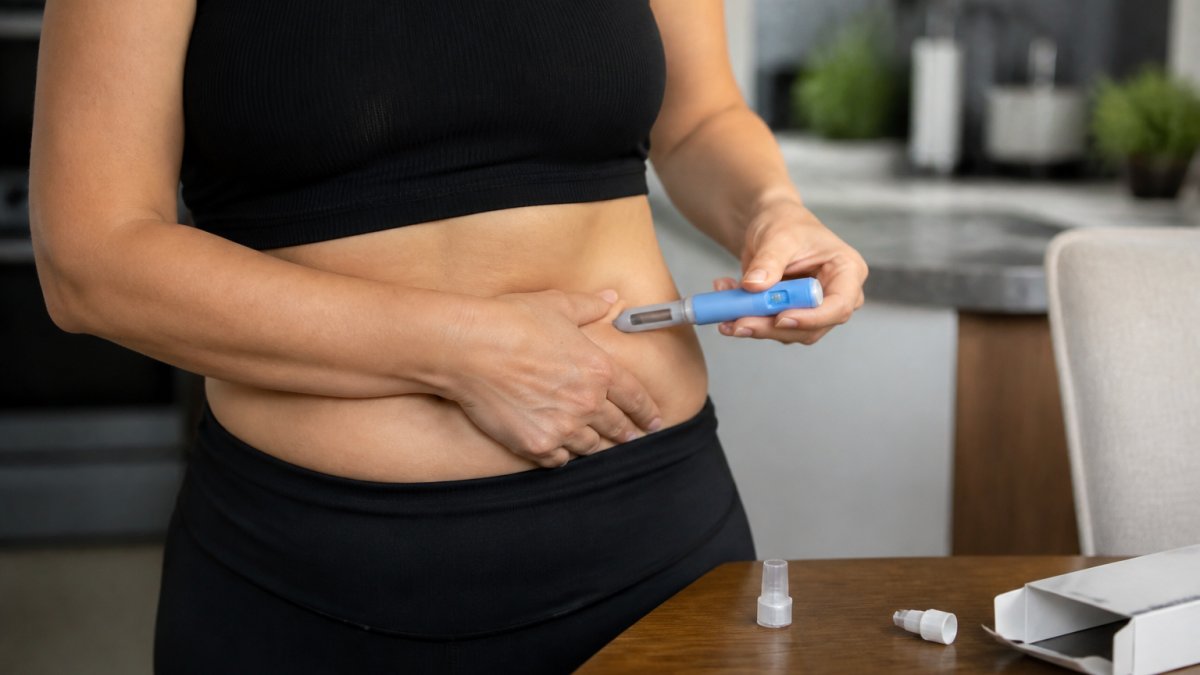
Hold the pen or syringe like a pencil. For a pen, press it straight against the skin at a 90-degree angle.
For a syringe with a short needle, a 45-degree angle works better if you have less fat at the site. Push the needle in with one quick, smooth motion. Slow insertion hurts more because the needle spends more time cutting through nerve-rich skin layers.
Press the dose button and hold it. Count to 10 before pulling out, so the full dose goes in. If you pull out early, a bead of medication can leak back out and you lose part of the dose.
Dispose of Needles and Syringes Safely
Drop the used needle straight into a sharps container. Never recap it by hand.
No sharps container yet? A heavy plastic container with a tight lid works as a temporary option. Check your state’s rules for disposal, since they vary. The FDA guidance on sharps disposal explains safe options.
What to Do If Something Goes Wrong Mid-Injection
Most problems during a self-injection have a simple fix, and knowing them ahead of time keeps you from panicking.
- You see a drop of blood. Press a gauze pad on the site for 30 to 60 seconds. A small bleed usually means you nicked a surface capillary, not that you hit anything dangerous. Do not rub.
- It burns immediately. That is almost always wet alcohol or cold medication, not a bad needle. Let the site dry and warm the pen next time.
- The pen jams or the dose counter does not move. Do not force it. Set it aside and contact your provider for a replacement pen or guidance.
- You are not sure the full dose went in. Do not inject a second dose to “top off.” Note it and tell your care team.
Never reuse a needle. A dull needle hurts more and raises your risk of infection and site irritation.
A low-pain injection is mostly about preparation: warm medication, dry skin, one firm motion, and a full 10-count before you pull out.
Tirzepatide Injection Sites: Where to Inject for Less Discomfort
The best tirzepatide injection sites are the abdomen, the front of the thigh, and the upper arm. Each site absorbs medication at a slightly different rate, and each has a different amount of subcutaneous fat, which is what actually determines how much you feel.
The abdomen usually causes the least discomfort.
| Site | Pain Level | Absorption Speed | Best For |
|---|---|---|---|
| Abdomen | Lowest | Fastest | Most users |
| Thigh | Moderate | Moderate | Self-administration |
| Upper arm | Higher | Slower | Caregiver-assisted |
Why Site Choice Changes How Much You Feel
Pain at the injection site comes from two things: how many nerve endings are in the skin you are piercing, and how much fat cushions the needle from muscle. Areas with more subcutaneous fat let the needle sit in soft tissue without pressing against muscle fascia, which is the layer that produces a deep ache.
How to Rotate Sites Without Losing Track
Rotate your site every week. Using the same spot builds up scar tissue, which makes future shots hurt more and can slow absorption.
A simple system that works for most people:
- Divide your abdomen into four quadrants around the navel, staying at least two inches away from the navel itself.
- Use one quadrant per week, moving clockwise.
- When you finish the abdomen, switch to the thighs for a few weeks, then back.
When a Site Becomes Sore or Bumpy
A small, firm bump under the skin after injecting is common and usually fades within a few days. It happens when medication pools slightly in the tissue instead of dispersing immediately. A cool compress after injecting and a gentle massage of the surrounding area, not the injection point itself, can help it settle.
If one site consistently hurts more than the others, it is not a sign that something is wrong with you. It usually just means that spot has less fat or more surface nerves. Switch to a different quadrant and note it.
The abdomen is the lowest-pain site for most people, but the real win is a written rotation system. Rotating on purpose, not by memory, is what keeps injections comfortable month after month.
Subcutaneous Injection Technique: Pinch vs. Flat Skin and Needle Angle
Subcutaneous injection technique comes down to two choices: whether to pinch the skin and what angle to use. Both affect how much you feel.
Pinch Technique vs. Flat Skin
Pinch a fold of skin and fat between your thumb and fingers. This lifts the tissue away from muscle.
Needle Angle and Depth
Use a 90-degree angle for most pen devices. The needle only needs to reach the subcutaneous fat, not the muscle.
Temperature Optimization for Comfort
Temperature affects how much an injection stings. Cold medication hurts more going in, and cold skin is more sensitive.
Room-temperature medication plus fully dry skin is the single easiest change you can make to cut injection pain.
Managing Injection Site Reactions
Managing injection site reactions starts with knowing what is normal. Mild redness, bruising, or tenderness at the site is common and usually fades within a few days.
What helps:
- Apply a cool compress after injecting
- Avoid rubbing the site
- Rotate to a fresh spot next time
Psychological Management of Needle Phobia
Needle phobia is more common than most people admit. It can make your heart race and your hands shake, which makes the injection harder.
What helps:
- Breathe out slowly as the needle goes in
- Look away during insertion
- Use a numbing cream 30 minutes before
- Play music or a podcast to distract yourself
Troubleshooting Common Injection Errors
Most injection problems have a simple fix. Here are the ones we hear about most.
| Problem | Likely Cause | Fix |
|---|---|---|
| Pain during injection | Cold medication, wet skin | Warm pen, let site dry |
| Bruising | Pinching too hard | Gentle pinch or flat technique |
| Leaking at site | Pulling out too fast | Hold 10 seconds before removing |
| Dose seems incomplete | Not holding the button | Press and hold to full dose |
Conclusion: Building a Low-Pain Injection Routine
Injection discomfort usually drops once you build a steady routine. Warm the medication, pick a clean site, use the right angle, and rotate spots each week.
Frequently Asked Questions
Where is the least painful place to inject tirzepatide?
The abdomen usually causes the least discomfort because it has a thicker layer of subcutaneous fat and fewer nerve endings than the thigh or upper arm. Aim for at least two inches away from the navel and avoid any bruised, scarred, or tender areas. Rotating among abdomen, thigh, and upper arm also prevents soreness from repeated punctures in one spot.
Does the temperature of the medication affect injection pain?
Yes. Cold medication can sting more because it thickens slightly and feels harsher as it enters subcutaneous tissue. Let your tirzepatide pen or syringe sit at room temperature for 15 to 30 minutes before injecting. Never warm it in a microwave or hot water, as heat can damage the medication. A room-temperature dose often feels smoother and reduces discomfort.
How do I properly pinch the skin for a subcutaneous injection?
Gently lift a fold of skin and fat between your thumb and index finger, about one to two inches wide. Hold the pinch throughout the injection to keep the medication in the subcutaneous layer. If you use a 4 mm needle, you may not need to pinch at all; just stretch the skin flat. Always follow the technique your clinician recommends for your body type.
What should I do if I experience bruising after a tirzepatide injection?
Mild bruising is common and usually fades within a few days. Apply a cold pack wrapped in a cloth for 10 minutes to reduce swelling, and avoid rubbing the area. To prevent future bruises, rotate sites, use a fresh needle each time, and apply gentle pressure with gauze after removing the needle instead of massaging the spot.