Skip to content

Table of Contents
- What Is Compounded Semaglutide and How Does It Differ From FDA-Approved Versions
- FDA Regulation of Compounded GLP-1 Drugs: What You Need to Know
- Known Long-Term Safety Concerns and Potential Adverse Effects
- How to Verify a Compounding Pharmacy and Ensure Product Quality
- Medically Supervised Weight Loss Programs: Why Clinical Oversight Matters
- Dosing Errors, Supply Chain Risks, and Patient Safety
- Conclusion
- Frequently Asked Questions
Last Updated: September 27, 2026
What Is Compounded Semaglutide and How Does It Differ From FDA-Approved Versions
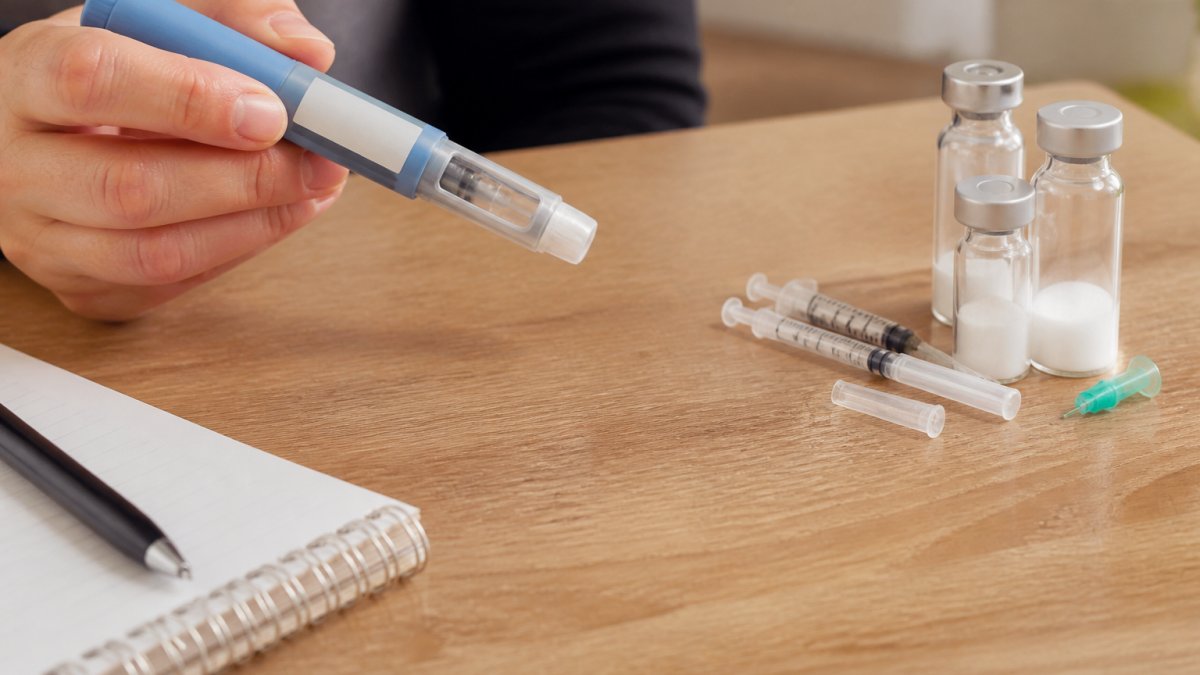
Compounded semaglutide is prepared by licensed pharmacies to match FDA-approved GLP-1 receptor agonists like Ozempic and Wegovy, but without the same regulatory oversight or quality guarantees. While FDA-approved versions undergo rigorous clinical trials and manufacturing standards, compounded semaglutide is created in pharmacy settings using bulk ingredients and individual prescriptions. (Source: FDA’s concerns about unapproved GLP-1 drugs)
FDA-approved versions undergo extensive safety testing and post-market surveillance. Compounded medications are regulated under Section 503A of the Federal Food, Drug, and Cosmetic Act, allowing pharmacists to prepare medications with valid prescriptions. This means compounded semaglutide may vary in purity, potency, and sterility from batch to batch.
Cost is often a significant factor, as name-brand GLP-1 medications can be expensive even with insurance. However, this cost savings comes with trade-offs. The long-term effects of compounded semaglutide safety profile remain less documented than FDA-approved counterparts because compounded medications are not required to report adverse events to the FDA’s MedWatch system. This lack of oversight mirrors the broader uncertainty surrounding long term supplement risks that patients must navigate when choosing unregulated health interventions.
Bioequivalence has not been established for most compounded semaglutide products. Without this data, patients cannot be certain they’re receiving consistent dosing across refills or between pharmacies.
Compounded semaglutide is not interchangeable with FDA-approved versions. If you’ve been using a brand-name GLP-1 medication and switch to a compounded version, your response may differ significantly, and not always in a predictable way.
FDA Regulation of Compounded GLP-1 Drugs: What You Need to Know
The FDA does not pre-approve compounded medications the way it does manufactured drugs. Instead, it relies on state pharmacy boards and the Drug Enforcement Administration to enforce standards.
Compounding pharmacies must use FDA-approved ingredients, maintain sterile environments, and operate under a licensed pharmacist’s supervision. However, enforcement varies significantly by state, creating a patchwork of oversight that directly affects patient safety.
The FDA has issued multiple warnings about compounded semaglutide products. In 2023 and 2024, the agency highlighted concerns about fraudulent and substandard compounded GLP-1 medications being sold online, some containing no active ingredient and others containing incorrect doses (the FDA). The FDA cannot easily shut down problematic operations because compounding pharmacies operate at the state level.
The FDA does not require compounding pharmacies to report adverse events to MedWatch unless they voluntarily choose to do so. This means serious side effects from compounded semaglutide may go unreported and untracked, unlike FDA-approved drugs where manufacturers must report all adverse events.
Compounded GLP-1 drugs exist in a regulatory gray zone. They’re legal when prepared by licensed pharmacies with valid prescriptions, but they lack the oversight and safety documentation of FDA-approved alternatives.
According to FDA guidance on compounded drugs, pharmacies must maintain appropriate sterility and use quality ingredients, but the agency acknowledges it cannot inspect all compounding operations regularly. This enforcement gap is particularly concerning for weight loss medications, where patients may not immediately recognize if a dose is incorrect or inactive.
Known Long-Term Safety Concerns and Potential Adverse Effects
The long-term effects of compounded semaglutide safety profile includes several documented risks. While GLP-1 receptor agonists have been used safely in diabetic patients for years, their use in non-diabetic weight loss represents a newer application with less long-term data.
Pancreatitis and Gallbladder Complications
Acute pancreatitis is one of the most serious known risks associated with GLP-1 medications, including compounded semaglutide. It causes severe abdominal pain, nausea, and potentially life-threatening complications. GLP-1 receptor agonists appear to increase the risk in susceptible individuals.
Gallbladder complications, including gallstones, occur more frequently in patients using GLP-1 medications. Rapid weight loss can trigger gallstone formation, and GLP-1 drugs may accelerate this process. Some patients require gallbladder removal during treatment.
Dosing errors from compounding inconsistencies increase these risks. If a patient receives a higher-than-intended dose, their risk of pancreatitis or gallbladder inflammation rises significantly.
Thyroid Cancer Risk and Medullary Thyroid Carcinoma Warnings
GLP-1 receptor agonists carry a black box warning for medullary thyroid carcinoma (MTC), a rare thyroid cancer, because animal studies showed increased MTC risk. The warning applies to all GLP-1 medications, including compounded versions.
Patients with a personal or family history of MTC or MEN2 should not use GLP-1 drugs. However, compounding pharmacies may not verify this contraindication as rigorously as hospital pharmacies, potentially exposing at-risk patients to serious harm.
Compounded versions offer no additional reassurance because they lack the post-market surveillance systems that detect rare adverse events like MTC.
Metabolic Changes and Weight Regain After Discontinuation
A significant long-term concern is weight regain after stopping semaglutide. Patients who lose 15-20 pounds often regain most of it within months of discontinuation.
This metabolic rebound reflects how GLP-1 drugs work: they suppress appetite and slow gastric emptying, but don’t permanently alter metabolism. For patients using compounded semaglutide, variable dosing throughout treatment may prevent metabolic adaptations that could otherwise occur.
Plan for weight regain after stopping semaglutide. Most patients regain 50-70% of lost weight within one year of discontinuation. This is not a failure of the medication or the patient, it’s the expected physiological response.
How to Verify a Compounding Pharmacy and Ensure Product Quality
If you choose to use compounded semaglutide, verifying the pharmacy’s legitimacy and quality standards is essential. Not all compounding pharmacies are equal, and some operate without proper oversight.
Start by confirming the pharmacy is licensed in your state. Check your state’s pharmacy board website for the pharmacy’s license status and any disciplinary history. A legitimate compounding pharmacy will have a physical address, a licensed pharmacist on staff, and a clear history of operation.
Ask the pharmacy directly about their quality assurance practices. Legitimate pharmacies should be able to answer these questions: Do they use USP-grade ingredients? Do they conduct sterility testing on compounded batches? Are they accredited by the Pharmacy Compounding Accreditation Board (PCAB)? PCAB accreditation is voluntary but signals a commitment to quality standards.
Request documentation of the pharmacy’s testing protocols. Reputable compounding pharmacies test their products for sterility, potency, and purity. They should provide certificates of analysis upon request. If a pharmacy refuses to provide this information or claims they don’t conduct testing, that’s a red flag.
Verify that the pharmacy requires a valid prescription from a licensed physician. Legitimate compounding pharmacies will not dispense medications without a prescription. If you see compounded semaglutide being sold online without a prescription requirement, it is fraudulent.
Check whether the pharmacy is registered with the National Association of Boards of Pharmacy (NABP). The NABP maintains a list of verified internet pharmacies. If the pharmacy operates online, verify it’s on this list.
Finally, ask your prescribing physician about the pharmacy. If you’re working with a medically supervised weight loss program like MedShape Weight Loss Clinics, your physician should have vetted the compounding pharmacy and can advise whether it meets quality standards.
Request a batch number and testing date with your prescription. Legitimate pharmacies track every batch and can provide you with documentation of when your specific medication was compounded and tested for quality.
Medically Supervised Weight Loss Programs: Why Clinical Oversight Matters

When considering compounded semaglutide, the quality of medical supervision makes a critical difference in safety outcomes. Medically supervised weight loss programs differ fundamentally from online pharmacies or telehealth services that simply issue prescriptions without ongoing evaluation.
A proper medically supervised program includes baseline health screening before starting any medication. This means blood work, cardiac assessment, thyroid function tests, and detailed medical history.
Dosing Errors, Supply Chain Risks, and Patient Safety
Dosing errors represent one of the most significant safety concerns with compounded semaglutide. Unlike FDA-approved medications manufactured in controlled environments with automated quality checks, compounded medications are prepared manually by pharmacists. Human error in measuring, mixing, or labeling can result in incorrect doses.
If you experience unexpected side effects or sudden loss of appetite suppression while using compounded semaglutide, dosing error may be the cause. Request your pharmacy provide documentation of the exact dose in your vial and ask for batch testing results.
Conclusion
The long-term effects of compounded semaglutide safety profile remain incompletely understood because these medications operate in a regulatory gray zone with minimal post-market surveillance. While compounded semaglutide can be legitimate and cost-effective when sourced from a properly licensed pharmacy, the risks, dosing inconsistency, lack of quality oversight, unmonitored adverse events, and unknown long-term metabolic effects, are real and significant.
Frequently Asked Questions
Is compounded semaglutide safe for long-term use?
Compounded semaglutide carries the same active ingredient as FDA-approved versions, but long-term safety data is limited because compounded medications are not subject to the same rigorous clinical trials. Known risks include pancreatitis, gallbladder complications, and thyroid concerns. Long-term metabolic effects remain largely unstudied. Safety depends heavily on pharmacy quality, dosing accuracy, and medical supervision. Working with a qualified physician who monitors you regularly is essential for managing potential risks over time.
What are the main differences between FDA-approved and compounded semaglutide?
FDA-approved semaglutide (Ozempic, Wegovy) undergoes clinical trials proving safety and efficacy, with standardized manufacturing, quality control, and post-market surveillance. Compounded semaglutide is prepared by licensed pharmacies under FDA oversight but without pre-market clinical trials. Compounded versions may cost less but lack the bioequivalence guarantee of name-brand drugs. Quality, purity, and potency depend on the compounding pharmacy’s standards. Both contain the same active ingredient but differ in regulatory pathway and manufacturing oversight.
How does the FDA regulate compounded medications?
The FDA regulates compounding pharmacies under the Pharmacy Compounding Quality Act and state pharmacy boards. Compounded drugs must follow United States Pharmacopeia (USP) standards for sterile preparation and ingredient quality. However, compounded medications do not require pre-market FDA approval like brand-name drugs. The FDA monitors adverse events through MedWatch reporting and can take action against pharmacies that violate standards. Regulatory oversight exists, but it is less stringent than the approval process for commercially manufactured medications.
What should I look for when choosing a compounding pharmacy?
Verify that the pharmacy is licensed by your state pharmacy board and holds accreditation from organizations like the Pharmacy Compounding Accreditation Board (PCAB). Ask whether they follow USP standards for sterile compounding and whether they conduct potency and purity testing on prepared medications. Check that a licensed pharmacist reviews every prescription and that the pharmacy maintains detailed records. Request information about their quality assurance procedures and whether they report adverse events to the FDA. A reputable pharmacy will be transparent about their credentials and testing protocols.