Skip to content

Table of Contents
- What Compounded Semaglutide Costs Without Insurance
- Compounded Semaglutide vs Brand Name Cost: What Changes the Price
- Safety of Compounded Semaglutide: Verification and Standards
- Medically Supervised Weight Loss Programs: Why Medical Oversight Matters
- Hidden Costs and What to Expect Beyond the Medication Price
- Insurance Coverage Limitations and When You Pay Out-of-Pocket
- Transitioning from Brand-Name to Compounded Semaglutide
- Frequently Asked Questions
Last Updated: September 28, 2026
What Compounded Semaglutide Costs Without Insurance
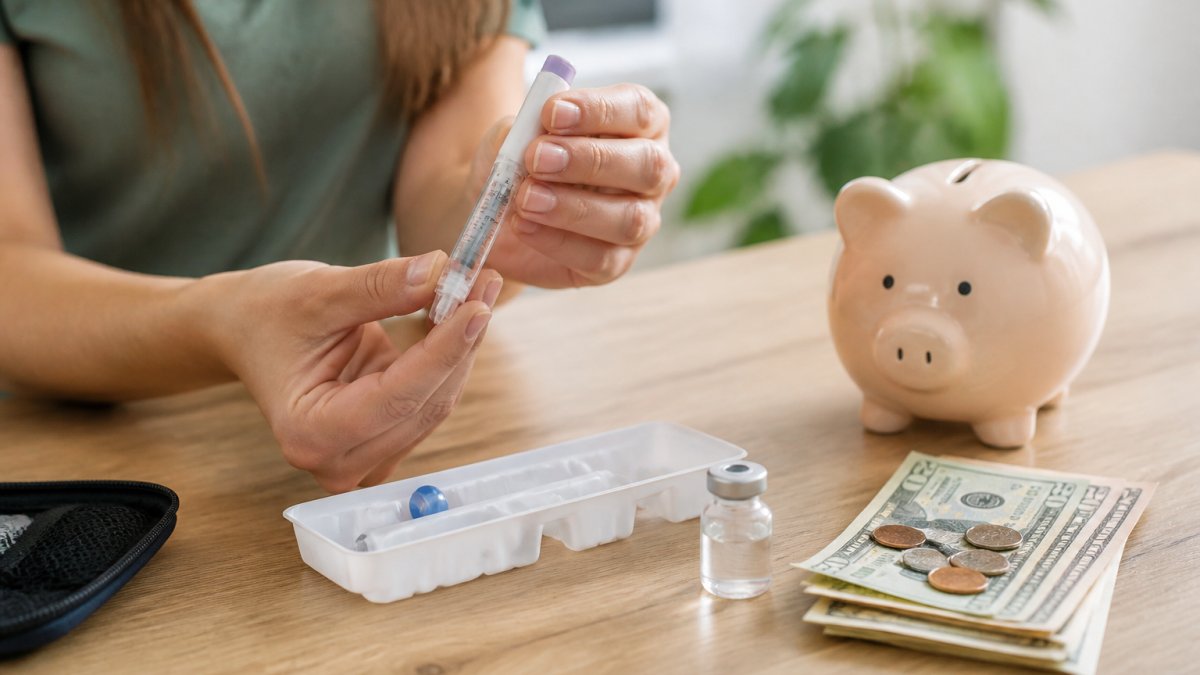
Compounded semaglutide without insurance cost depends on several factors: the pharmacy’s sourcing, your dosage, and whether you’re working with a licensed medical provider. When you pay out-of-pocket, you’re looking at a range that varies significantly from brand-name alternatives.
The key difference is that compounded medications are prepared by a licensed pharmacy based on a physician’s prescription, rather than manufactured by a pharmaceutical company. This typically means lower costs than brand-name versions, but the exact price depends on your specific needs and the pharmacy’s pricing structure.
Many patients find that working with a medically supervised weight loss program gives them access to transparent pricing and consistent quality. At MedShape Weight Loss Clinics, we help patients understand their total out-of-pocket costs, so there are no surprises when you begin treatment.
The cost breakdown usually includes the medication itself, the pharmacy preparation fee, and any consultation charges from your prescribing physician. Some pharmacies bundle these; others charge separately. Dosage-based pricing structures mean your monthly cost will adjust as your treatment progresses through titration phases.
Ask your pharmacy whether they offer tiered pricing for multi-month purchases. Some compounding pharmacies provide discounts if you commit to a three- or six-month supply upfront.
Compounded Semaglutide vs Brand Name Cost: What Changes the Price
Brand-name semaglutide (Ozempic) carries a significantly higher price tag than compounded alternatives because it includes the manufacturer’s research, development, FDA approval process, and marketing costs. Compounded semaglutide avoids most of these expenses, which is why the cost difference can be substantial for patients paying cash.
The active ingredient, semaglutide itself, is identical in both. What changes is the delivery method, consistency standards, and regulatory pathway. Brand-name medications go through formal FDA approval as finished products. Compounded medications are prepared by licensed pharmacies under state pharmacy board oversight and must meet USP standards for sterility and potency.
Your prescribing physician’s involvement affects pricing too. A telehealth consultation costs less than an in-person visit, but both require a licensed provider to evaluate your medical history and monitor your progress. MedShape Weight Loss Clinics offers telemedicine services in all 50 states, which keeps physician consultation costs accessible while maintaining full medical oversight.
Insurance status also influences the decision between brand and compounded options. If you have commercial insurance but face high out-of-pocket costs due to prior authorization requirements or formulary restrictions, compounded semaglutide becomes financially attractive. Without insurance, the cost advantage of compounding is even more pronounced.
Dosage variance is another pricing factor. Compounded medications can be prepared at your exact prescribed dose, which means you’re not paying for doses you don’t use. Brand-name pens come in fixed increments, so you may be purchasing more medication than your current titration phase requires.
The cost difference between compounded and brand-name semaglutide typically ranges significantly, but both require a valid prescription from a licensed medical provider and ongoing physician supervision.
Safety of Compounded Semaglutide: Verification and Standards
Compounded semaglutide safety depends entirely on the pharmacy’s credentials, preparation standards, and your prescribing physician’s oversight. Not all compounding pharmacies operate at the same quality level, which is why verification is critical before you commit to treatment.
The FDA does not pre-approve individual compounded medications the way it approves brand-name drugs. Instead, compounding pharmacies operate under state pharmacy board regulation and must follow USP standards for preparation, sterility, and potency. This means you need to verify that your pharmacy meets these standards independently.
Licensed compounding pharmacies should be registered with their state pharmacy board and comply with USP <797> standards for sterile preparation and USP <825> standards for non-sterile compounding. They should also use pharmaceutical-grade active ingredients from verified suppliers and conduct third-party testing to confirm potency and purity.
Your prescribing physician’s role is essential. A legitimate weight loss program requires ongoing medical supervision, not just a one-time prescription. Your doctor should monitor your response to the medication, adjust your dosage during titration, and watch for side effects like nausea, gastroparesis, or other metabolic changes.
How to Verify Pharmacy Licensing and Credentials
Start by confirming that the pharmacy holds a valid license from your state’s pharmacy board. Most state boards maintain searchable registries online where you can verify the pharmacy’s license status and check for any disciplinary actions or complaints.
Ask the pharmacy directly whether they follow USP <797> standards and whether they conduct third-party testing on their compounded medications. Reputable pharmacies will provide documentation of their quality assurance processes. If they’re evasive or unwilling to share this information, that’s a red flag.
Request information about their active ingredient suppliers. Pharmaceutical-grade semaglutide should come from a verified manufacturer, not from an unknown source. Legitimate pharmacies can trace their supply chain and provide documentation.
Check whether the pharmacy requires a valid prescription from a licensed physician. If they offer to dispense medication without a prescription or without physician oversight, they’re operating illegally. A medically supervised program like MedShape Weight Loss Clinics ensures that your pharmacy is working directly with your prescribing physician.
What FDA Approval Means for Compounded Medications
The FDA has approved semaglutide as an active pharmaceutical ingredient for weight loss and diabetes management. However, the FDA does not pre-approve individual compounded formulations. Instead, compounding pharmacies operate under a different regulatory framework.
Compounded medications exist in a legal gray area. The FDA permits pharmacies to compound medications under state pharmacy board oversight when there’s a legitimate medical need, such as a patient’s allergy to an ingredient in the brand-name product or the need for a specific dosage that isn’t commercially available. The active ingredient must be from a verified pharmaceutical supplier, and the compounding must follow established standards.
This means compounded semaglutide is legal when prepared by a licensed pharmacy under a valid physician prescription, but it’s not FDA-approved as a finished product. Your physician and pharmacy bear the responsibility for ensuring safety and efficacy. This is why working with a board-certified physician is non-negotiable.
Compounded medications purchased from unlicensed online sources or without a valid prescription are not only illegal but also carry significant safety risks. You have no way to verify the ingredient quality, purity, or sterility. Always require a prescription from a licensed physician and use only state-licensed compounding pharmacies.
::: Contaminated substances often masquerade as legitimate treatments, making it essential to understand the inherent risks of unverified peptides before considering any alternative supply chain.
Medically Supervised Weight Loss Programs: Why Medical Oversight Matters

A medically supervised weight loss program provides ongoing monitoring that self-directed treatment cannot. Your physician adjusts your dosage based on your response, watches for side effects, and ensures the medication is actually working for your metabolic profile.
Weight loss with semaglutide is not automatic. The medication works by reducing appetite and improving blood sugar control, but your individual response depends on your metabolism, existing health conditions, and adherence to the program. A physician who knows your medical history can predict potential complications and intervene early.
Many patients experience nausea during the early titration phases.
Hidden Costs and What to Expect Beyond the Medication Price
The medication cost is only one part of your total investment in a weight loss program. Understanding hidden costs helps you budget accurately and avoid surprises.
Request a written cost estimate that breaks down every charge: medication, physician consultation, pharmacy preparation, lab work, and shipping. This prevents bill shock and lets you compare programs accurately.
Insurance Coverage Limitations and When You Pay Out-of-Pocket
Commercial insurance often covers brand-name semaglutide for diabetes but places strict limitations on coverage for weight loss. Prior authorization is common, meaning your physician must justify the prescription to the insurance company before it’s approved. This process can delay treatment by weeks.
Transitioning from Brand-Name to Compounded Semaglutide
If you’ve been on brand-name Ozempic and want to switch to compounded semaglutide to reduce costs, your physician can manage this transition safely. The active ingredient is identical, so the switch itself is straightforward, but timing and dosage continuity matter.
| Factor | Impact on Cost | What to Verify |
|---|---|---|
| Pharmacy licensing | Critical | State pharmacy board registration and USP compliance |
| Dosage and titration phase | High | Exact dose prescribed by your physician |
| Physician consultation model | Moderate | Telemedicine vs. in-person; included vs. separate fee |
| Lab work and monitoring | Moderate | Baseline and follow-up testing requirements |
| Shipping and handling | Low | Included in quoted price or separate charge |
FDA guidance on compounding pharmacy oversight
USP standards for sterile pharmaceutical compounding
State pharmacy board licensing verification resources
Frequently Asked Questions
Is a prescription required for compounded semaglutide?
Yes, compounded semaglutide requires a valid prescription from a licensed medical provider. A qualified physician must evaluate your health history, current medications, and weight loss goals before prescribing. Telehealth consultations with board-certified doctors can provide this evaluation remotely, making access easier for busy professionals. Never purchase compounded semaglutide without a prescription, as this indicates an unregulated source and poses serious safety risks.
How does the cost of compounded semaglutide compare to brand-name versions?
Compounded semaglutide typically costs less than brand-name Ozempic or Wegovy because compounding pharmacies prepare the medication in-house rather than purchasing pre-manufactured doses. Brand-name versions include extensive research, manufacturing, and marketing costs passed to consumers. The exact price difference depends on dosage, titration schedule, pharmacy location, and whether you receive additional services like physician consultations or nutrition support through a medically supervised program. Contact a licensed compounding pharmacy for specific pricing.
What factors influence the price of compounded semaglutide?
Pricing varies based on dosage strength, monthly supply quantity, titration protocol (gradual dose increases), pharmacy overhead and licensing, geographic location, and whether services include physician consultations or follow-up appointments. Pharmacies with third-party testing and sterile facility certifications may charge more but offer higher safety assurance. Monthly subscription models sometimes offer discounts compared to pay-per-vial pricing. Request a detailed cost breakdown from your provider before starting treatment.
How can patients verify the safety of a compounding pharmacy?
Verify that the pharmacy holds a valid state license and is registered with the Pharmacy Board in your state. Check whether they follow United States Pharmacopeia (USP) standards for sterile compounding. Ask if they undergo third-party testing of their medications and maintain a sterile facility certified for injectable medications. Request documentation of their pharmacist’s credentials and the supervising physician’s board certification. Legitimate pharmacies provide this information transparently and do not pressure you into purchases without a consultation.