Skip to content
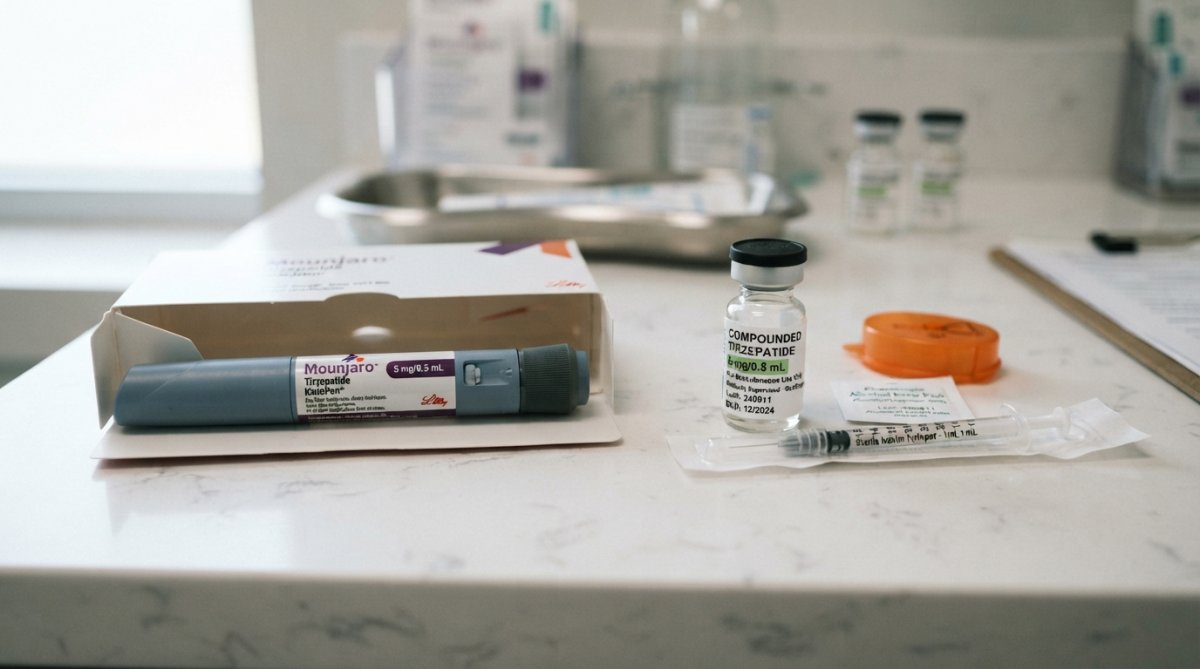
Table of Contents
- Compounded Tirzepatide vs Brand Name: Key Differences at a Glance
- What Is Compounded Tirzepatide and How Does It Compare?
- FDA Approval Process for Compounded Drugs vs Brand-Name Tirzepatide
- Tirzepatide Cost Without Insurance: Compounded vs Brand-Name Pricing
- Manufacturing Standards and Active Ingredients: Brand vs Compounded
- Tirzepatide Side Effects: Compounded vs Brand-Name Safety Profiles
- Compounding Pharmacy Regulations and Quality Control Standards
- Insurance Coverage and Legal Status of Compounded vs Brand-Name Tirzepatide
Compounded Tirzepatide vs Brand Name: Cost, Safety & Efficacy
Last Updated: July 24, 2026
Compounded Tirzepatide vs Brand Name: Key Differences at a Glance
The choice between compounded tirzepatide vs brand name medications represents one of the most significant decisions patients face when pursuing weight loss treatment. At MedShape Weight Loss Clinics, we’ve helped thousands of patients navigate this decision by breaking down what actually separates these two options.
Brand-name tirzepatide (Mounjaro for diabetes, Zepbound for weight loss) comes from Eli Lilly with FDA approval and rigorous manufacturing oversight. Compounded tirzepatide is prepared by licensed pharmacies using tirzepatide powder and operates without FDA approval, though it functions within a legal framework that has been clarified since 2023.
The choice isn’t about which is “better”, it’s about which fits your specific situation, budget, risk tolerance, insurance access, and whether you need FDA-approved certainty or can accept the trade-offs of a compounded alternative.
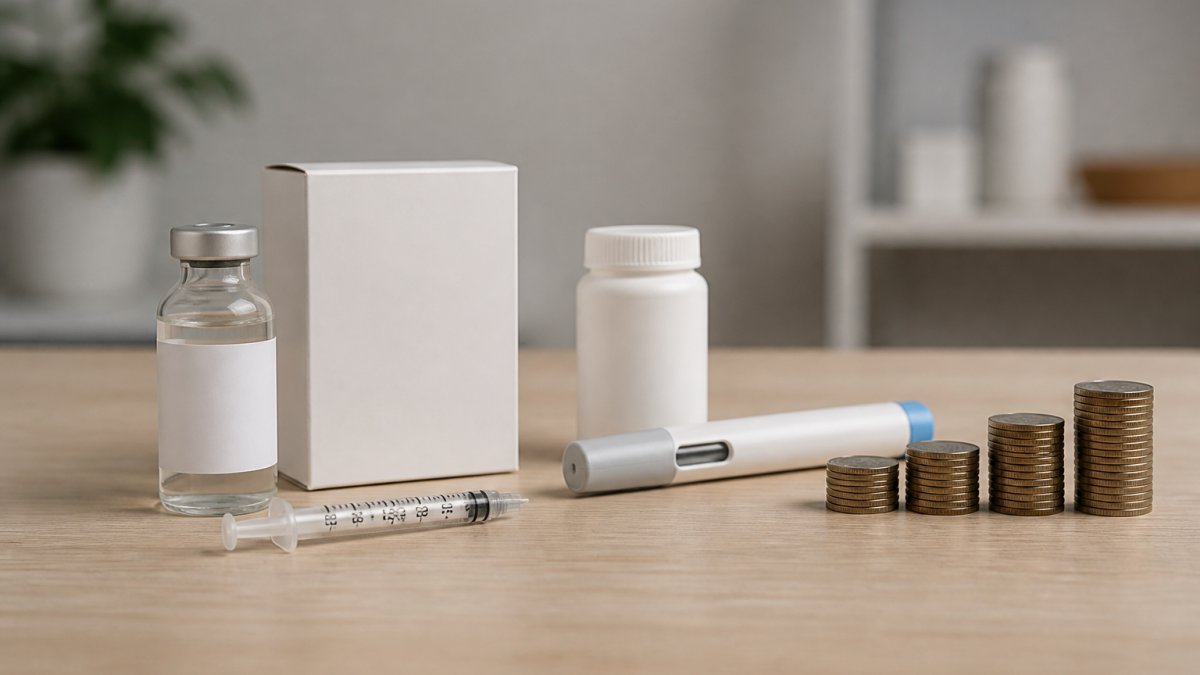
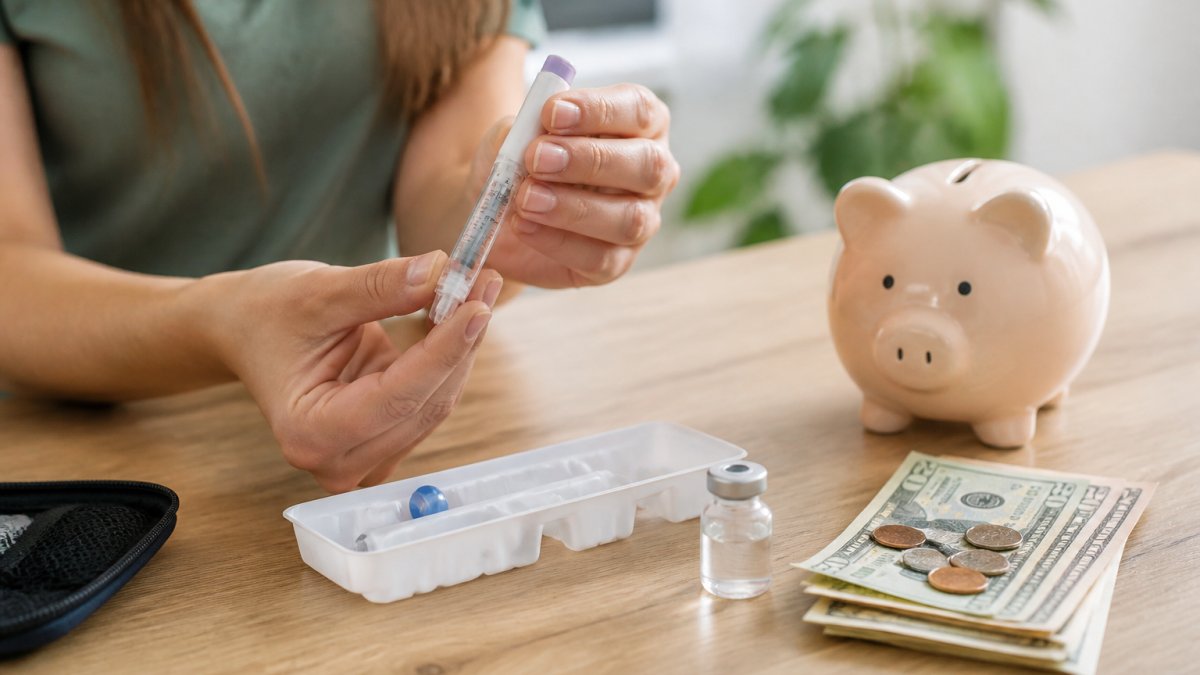
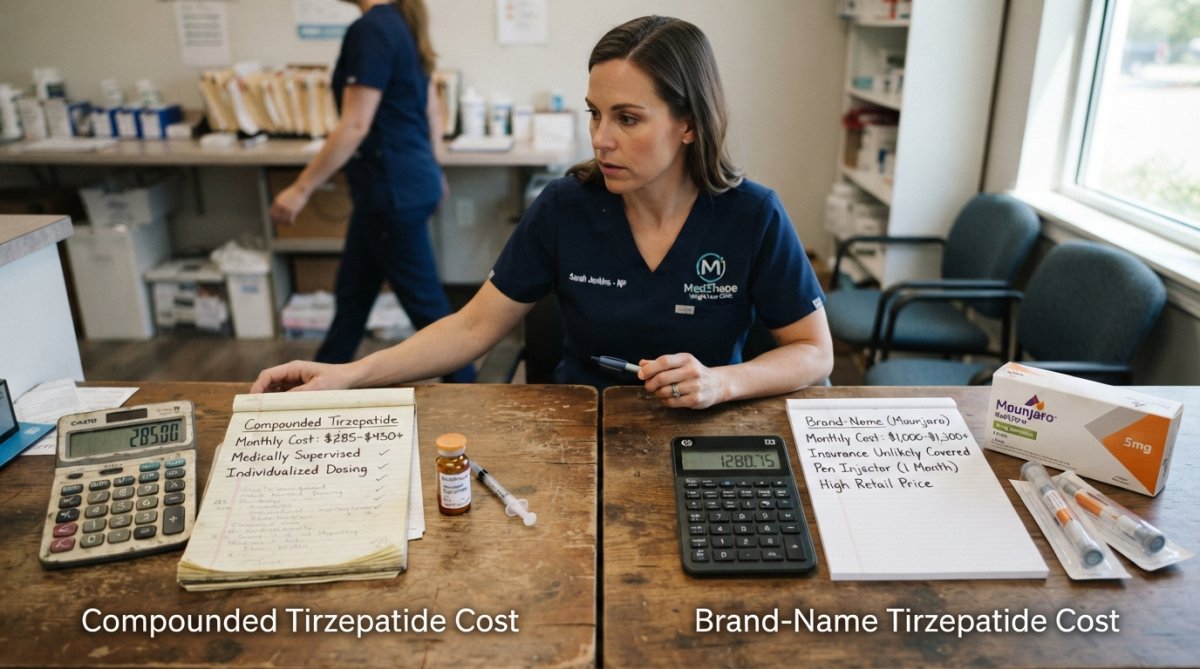
Brand-name tirzepatide costs $1,080-$1,200 monthly without insurance but has FDA approval and manufacturer assistance programs. Compounded versions run $125-$449 monthly but lack FDA oversight and vary in quality between pharmacies.
What Is Compounded Tirzepatide and How Does It Compare?
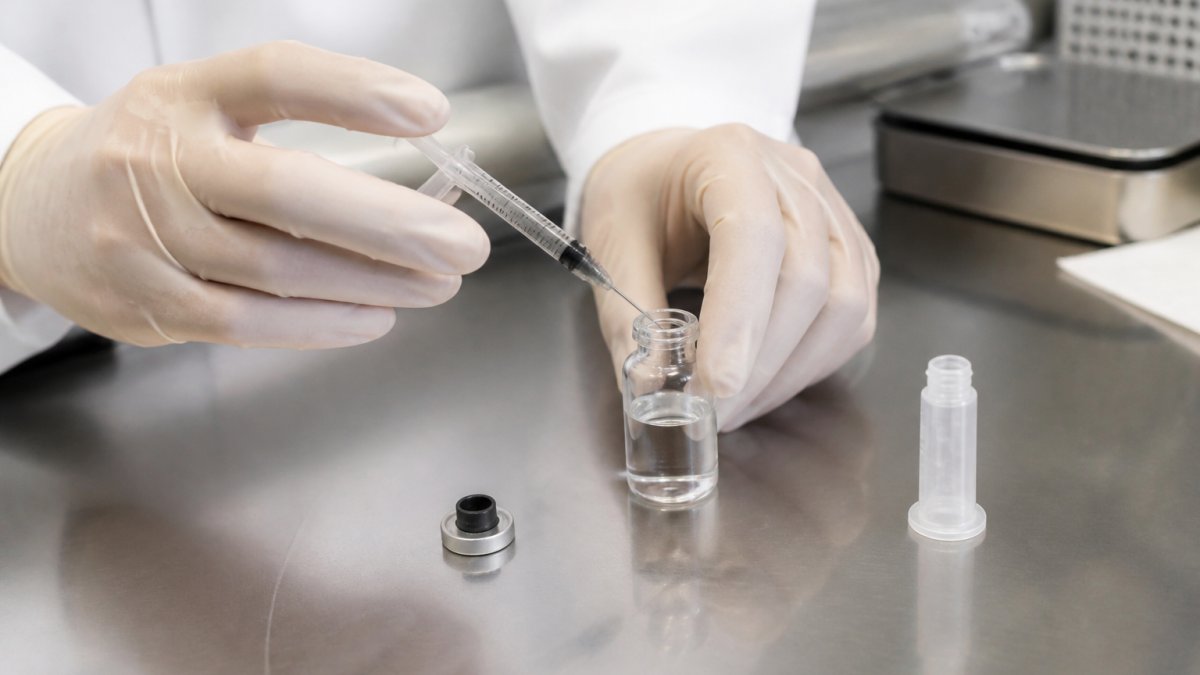
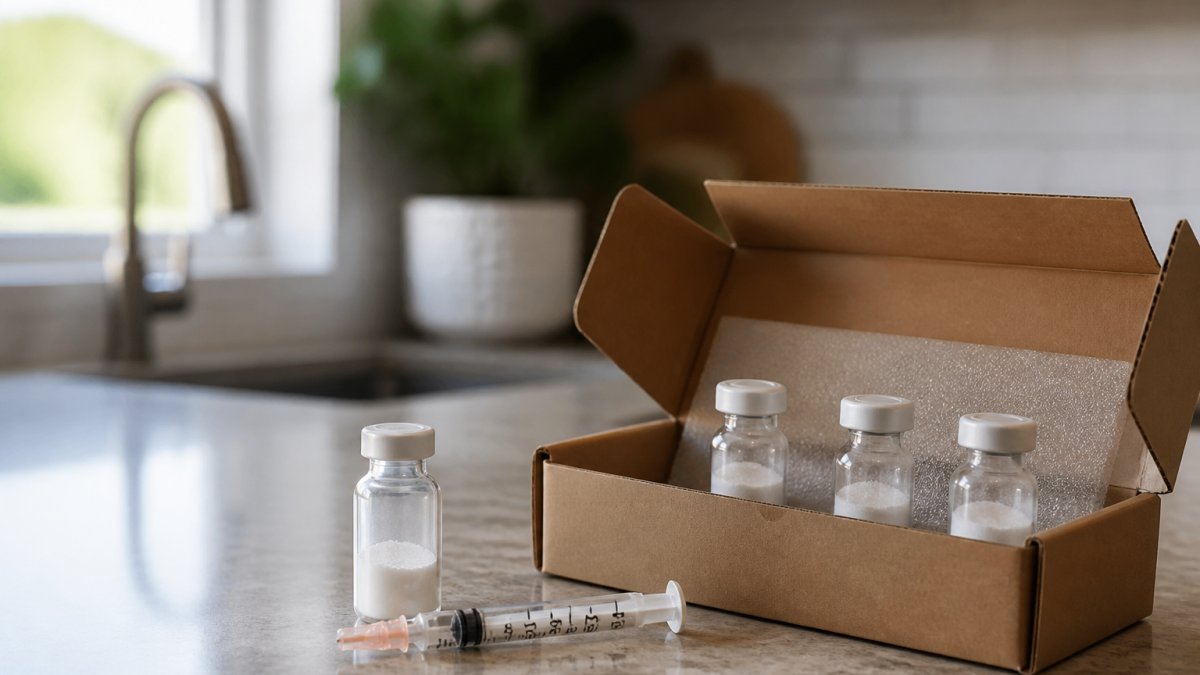
Compounded tirzepatide is an injectable medication prepared by licensed compounding pharmacies using tirzepatide powder from FDA-registered outsourcing facilities. The pharmacy mixes this active ingredient with sterile saline, then fills it into vials or pens for patient use.
Brand-name tirzepatide is manufactured by Eli Lilly in controlled facilities meeting pharmaceutical-grade standards. Every dose is identical and tested for purity.
The legal status clarified in 2023: the FDA confirmed that compounding pharmacies could legally prepare tirzepatide when following established frameworks. That shortage has largely resolved, but many compounding pharmacies continue operating legally.
Key differences:
Manufacturing Standards. Brand-name tirzepatide follows FDA manufacturing protocols. Compounded versions follow United States Pharmacopeia (USP) guidelines, rigorous but different, without the same pre-market testing. Quality control varies by pharmacy.
Cost. Brand-name Mounjaro and Zepbound list at $1,080-$1,200 monthly. Compounded tirzepatide ranges from $125 to $449 monthly.
Consistency. Every vial of Zepbound contains exactly the labeled dose. Compounded versions should match, but accuracy depends on the pharmacy’s quality control.
Insurance Coverage. Most insurance covers brand-name tirzepatide for type 2 diabetes if you meet criteria. Coverage for weight loss is limited. Compounded versions are rarely covered.
Compounded tirzepatide is not FDA-approved. If you experience a serious adverse event, you have fewer legal protections than with brand-name medications. The pharmacy bears responsibility, not a major pharmaceutical manufacturer.
FDA Approval Process for Compounded Drugs vs Brand-Name Tirzepatide
Brand-name tirzepatide underwent standard FDA approval. Eli Lilly conducted Phase 1, 2, and 3 clinical trials involving thousands of patients, submitted a New Drug Application with extensive safety and efficacy data, and had manufacturing processes reviewed. Mounjaro was approved in 2022 and Zepbound in 2023. This process took years and cost hundreds of millions of dollars, ensuring every dose contains exactly what the label states.
Compounded tirzepatide bypasses this process. Compounding pharmacies don’t need FDA approval to prepare medications from FDA-registered outsourcing facilities. Instead, they follow USP standards and state pharmacy regulations. The FDA doesn’t pre-approve each batch or verify the final product’s potency.
The FDA hasn’t reviewed compounded tirzepatide, but hasn’t deemed it unsafe or ineffective. The active ingredient comes from FDA-registered outsourcing facilities. However, the final product prepared by the pharmacy hasn’t undergone the same scrutiny as Zepbound.
According to FDA guidance on compounding pharmacies, compounding is legal when following state regulations and USP standards, but compounded drugs are not FDA-approved and carry different risks than approved medications.
If something goes wrong with brand-name medication, you have recourse through the manufacturer and FDA oversight. With compounded tirzepatide, your recourse is limited to the compounding pharmacy and your state’s pharmacy board.
If you choose compounded tirzepatide, verify the pharmacy is licensed by your state and sources tirzepatide from an FDA-registered outsourcing facility.
Tirzepatide Cost Without Insurance: Compounded vs Brand-Name Pricing
Cost is the primary reason patients choose compounded tirzepatide, and the numbers explain why.
Brand-Name Pricing (Mounjaro & Zepbound)
Eli Lilly’s list price is $1,080-$1,200 per month without insurance. However, several assistance programs significantly reduce this:
Lilly Cares Savings Card. Eligible commercially insured patients pay as little as $25 per month.
LillyDirect Self-Pay Program. Uninsured patients can access Zepbound for approximately $399 the first month, then $449 monthly for injectable formulations.
Medicare and Medicaid. Coverage varies by plan. Medicare Part D covers Mounjaro for type 2 diabetes but typically not Zepbound for weight loss.
Reality: with commercial insurance, brand-name tirzepatide might cost $25-$50 monthly out of pocket. Uninsured, you’re looking at $400+ monthly.
Compounded Tirzepatide Pricing
Compounded tirzepatide pricing varies by pharmacy, formulation, and service bundling.
Henry Meds charges $399 for the first month of injectable tirzepatide, then $449 monthly. Oral formulations are $249 monthly.
Trimi Health offers $125 per month when billed annually, including consultations, medication, and shipping.
Typical compounding pharmacy pricing ranges from $150 to $300 monthly for injectable tirzepatide.
A patient paying $1,200 monthly for brand-name tirzepatide without assistance could reduce that to $200-$400 with compounded versions, a 67-83% reduction. However, you’re accepting different regulatory oversight, variable quality control, and limited manufacturer accountability.
Manufacturing Standards and Active Ingredients: Brand vs Compounded
Both contain the same active ingredient: tirzepatide, a GLP-1 and GIP receptor agonist that suppresses appetite and slows gastric emptying. The difference lies in sourcing, handling, and verification.
Brand-name tirzepatide is manufactured in facilities meeting Current Good Manufacturing Practices (CGMP):
- Raw materials are tested for purity before use
- Manufacturing processes are validated and controlled
- In-process testing occurs at multiple stages
- Finished products undergo stability testing
- Documentation is extensive and auditable by the FDA
Every vial of Zepbound contains exactly the labeled dose.
Compounded tirzepatide follows USP standards and state pharmacy regulations. The tirzepatide powder comes from FDA-registered outsourcing facilities. The compounding pharmacy receives this powder, mixes it with sterile saline, and fills vials. The pharmacy must follow USP guidelines including sterile technique, ingredient verification, proper storage, accurate labeling, and record-keeping.
However, the pharmacy doesn’t conduct the same stability testing or long-term monitoring that Eli Lilly does. A compounded vial prepared today might have different potency than one prepared six months ago, depending on storage conditions and the pharmacy’s testing protocols.
According to USP standards for pharmaceutical compounding, compounding pharmacies must follow specific guidelines, but compliance varies.
Not all compounding pharmacies test their finished products for potency. Some assume that correct powder amounts and USP technique ensure accuracy. This assumption can be wrong. Verify that your pharmacy tests finished batches.
Tirzepatide Side Effects: Compounded vs Brand-Name Safety Profiles
The active ingredient is the same, so side effects should be identical between brand-name and compounded tirzepatide in theory. In practice, there are nuances.
Expected side effects of tirzepatide (from Zepbound clinical trials):
- Nausea (25-33% of patients)
- Vomiting (up to 25%)
- Diarrhea (22%)
- Constipation (25%)
- Abdominal pain (19%)
- Fatigue (5-10%)
These typically emerge during dose escalation and improve within 2-4 weeks.
Serious adverse events are rare but documented:
- Pancreatitis
- Gallbladder issues
- Severe dehydration
- Kidney injury (in patients with pre-existing kidney disease)
Brand-name tirzepatide has extensive post-market surveillance. If a safety signal emerges, the FDA can mandate label changes or recalls. Millions of patients have used these medications; adverse events are tracked systematically.
Compounded tirzepatide has no centralized safety monitoring. If a patient experiences an adverse event, there’s no requirement to report it to a regulatory body. If a particular compounding pharmacy’s product is contaminated or has inconsistent potency, patients might experience unexpected side effects, but there’s no systematic way to detect the pattern.
If you receive compounded tirzepatide with lower potency than expected, you might not experience the appetite suppression you’re paying for. If you receive higher potency, you might experience more severe nausea than anticipated.
Brand-name tirzepatide eliminates this variability.
Compounding Pharmacy Regulations and Quality Control Standards
Compounding pharmacies operate under a patchwork of federal and state regulations.
Federal oversight comes from the FDA and Pharmacy Compounding Outsourcing Facilities (PCOF) regulations. Outsourcing facilities manufacturing bulk tirzepatide powder must register with the FDA and follow CGMP standards. Pharmacies receiving this powder operate under different rules.
State oversight is where most compounding pharmacy regulation occurs. Most states require compounding pharmacies to be licensed, employ a licensed pharmacist, follow USP standards, maintain proper storage, keep accurate records, and verify ingredient quality. Enforcement varies dramatically.
Quality control standards for compounded tirzepatide should include:
- Testing tirzepatide powder for identity and purity before use
- Using sterile technique and equipment
- Testing finished products for potency
- Stability testing to ensure potency during storage
- Proper labeling with expiration dates and storage instructions
Not all compounding pharmacies do all of this. Some skip potency testing to save costs, a red flag.
How to Verify Pharmacy Credentials: Step-by-Step
If you’re considering compounded tirzepatide, verifying your pharmacy’s legitimacy is non-negotiable.
Step 1: Check State Licensure
Visit your state’s pharmacy board website and search for the pharmacy by name. Verify the pharmacy is licensed, the license is current, and there are no disciplinary actions listed.
Step 2: Verify the Prescriber
Compounded tirzepatide should be prescribed by a licensed physician or nurse practitioner. Ask for their medical license number and verify it through your state’s medical board.
Step 3: Confirm the Tirzepatide Source
Ask the pharmacy: “Where do you source your tirzepatide powder?” The answer should be “from an FDA-registered outsourcing facility.” You can verify the facility is registered with the FDA by checking the FDA’s list of registered outsourcing facilities.
Step 4: Ask About Testing
Call the pharmacy and ask if they test finished products for potency, conduct stability testing, and can provide a Certificate of Analysis (COA) for your product. A legitimate pharmacy should answer these questions.
Step 5: Check for Red Flags
Avoid pharmacies that won’t provide their state license number, source tirzepatide from unknown suppliers, don’t test finished products, offer pricing significantly lower than competitors, pressure you to buy large quantities upfront, or operate only through social media.
Request a Certificate of Analysis (COA) for your specific batch before starting treatment. This document verifies that the product was tested for purity and potency. Legitimate pharmacies provide this; questionable ones don’t.
Insurance Coverage and Legal Status of Compounded vs Brand-Name Tirzepatide
The insurance and legal landscape for tirzepatide has shifted significantly since 2023.
Insurance Coverage Nuances
Brand-name Mounjaro (for type 2 diabetes) is covered by most commercial insurance plans and Medicare Part D. Patients typically pay a copay of $25-$100 monthly.
Brand-name Zepbound (for weight loss) has more limited coverage. Many insurance plans classify weight loss medications as non-essential. Coverage is improving but remains inconsistent.
Compounded tirzepatide is almost never covered by insurance. You pay out of pocket.
This creates a perverse incentive: patients with insurance often can’t afford brand-name Zepbound because their plan won’t cover it, so they turn to compounded alternatives.
The legal status of compounded tirzepatide is now clear. The FDA’s position is:
- Compounding pharmacies can legally prepare tirzepatide under USP standards
- The tirzepatide powder must come from FDA-registered outsourcing facilities
- The compounded product is not FDA-approved but is legal to dispense
- State pharmacy boards oversee compounding pharmacies
Compounded tirzepatide is legal, but unregulated in the way brand-name drugs are. You’re not breaking the law by using it, but you’re accepting different oversight.
Frequently Asked Questions
Is compounded tirzepatide as effective as brand-name Mounjaro or Zepbound?
Both compounded tirzepatide and brand-name formulations contain the same active ingredient and work through the same GLP-1 receptor agonist mechanism. However, brand-name drugs undergo rigorous FDA clinical trials and manufacturing oversight, while compounded tirzepatide is not FDA-approved and may vary in potency and purity between compounding pharmacies. Efficacy depends on pharmaceutical-grade quality control and proper dosing, which is more standardized with brand-name products.
What are the cost differences between compounded and brand-name tirzepatide?
Brand-name Mounjaro and Zepbound typically cost $1,080-$1,200 per month without insurance, though manufacturer savings cards can reduce this to $25/month for eligible patients. Compounded tirzepatide generally ranges from $125-$449 per month depending on the provider and dosage. However, pricing depends on quantity, formulation, and delivery, so contact MedShape Weight Loss Clinics or your provider directly for current quotes and to understand what’s included in each option.
What should I look for when verifying a compounding pharmacy’s credentials?
Verify that the pharmacy is licensed by your state’s pharmacy board and accredited by the Pharmacy Compounding Accreditation Board (PCAB) or similar organization. Confirm the pharmacy works with licensed healthcare providers and uses USP guidelines for compounding. Ask about quality control testing, outsourcing facility registration with the FDA, and whether they maintain proper storage conditions. Cross-check the pharmacy’s name and license number on your state’s pharmacy board website before placing an order.
Will insurance cover compounded tirzepatide or brand-name tirzepatide?
Insurance coverage varies significantly. Brand-name Mounjaro (for type 2 diabetes) has broader coverage, while Zepbound (for weight loss) may face restrictions because many plans classify weight loss as non-essential. Compounded tirzepatide is rarely covered by insurance since it is not FDA-approved. Prior authorization is often required for both. Contact your insurance provider directly to confirm coverage, or ask your healthcare provider about patient assistance programs and savings options available through MedShape Weight Loss Clinics.
What are the main risks of using compounded tirzepatide compared to brand-name versions?
Compounded tirzepatide carries greater risks because it lacks FDA oversight, rigorous clinical trials, and consistent manufacturing standards. Potential issues include variable potency, impurities, inconsistent dosing between batches, and unknown side effect profiles. Brand-name tirzepatide has documented safety data from extensive trials. To minimize risk with compounded options, use only PCAB-accredited pharmacies, verify outsourcing facility registration, and work with a licensed healthcare provider who monitors your response and adjusts dosing accordingly.
This article was written using GrandRanker