Skip to content

Table of Contents
- Why Weight Loss Becomes Harder After 50
- Best Strength Training for Women Over 50
- High Protein Diet for Women Over 50
- Intermittent Fasting for Women Over 50
- Menopause Weight Gain Solutions
- Medical Supervision and Medication Options
- Building Sustainable Habits for Long-Term Success
- Conclusion
Last Updated: August 6, 2026
Why Weight Loss Becomes Harder After 50
Weight loss for women over 50 presents unique metabolic and hormonal challenges that don’t apply to younger populations. Your basal metabolic rate naturally declines with age, meaning your body burns fewer calories at rest than it did in your 30s and 40s. This isn’t a personal failure, it’s physiology.
The primary culprit is sarcopenia, the age-related loss of lean muscle mass. Women lose approximately 3-5% of muscle mass per decade after age 30, and this accelerates after menopause. Since muscle tissue burns more calories than fat tissue at rest, losing muscle directly reduces your caloric expenditure. Without intentional intervention, your body composition shifts toward fat accumulation even if your eating habits haven’t changed.
Hormonal fluctuations compound the problem. Estrogen decline during perimenopause and menopause affects insulin sensitivity, making your body more prone to storing fat, particularly around the abdomen. Cortisol levels may also rise during this life stage due to stress and sleep disruption, further promoting fat storage and making weight loss feel frustratingly slow.
At MedShape Weight Loss Clinics, we’ve worked with thousands of women navigating this exact challenge. The good news: understanding these mechanisms means you can address them directly rather than relying on generic "eat less, move more" advice that ignores the biological reality of your body at this stage.
Weight loss becomes harder after 50 because of three overlapping factors: declining basal metabolic rate, loss of lean muscle mass (sarcopenia), and hormonal shifts that affect how your body processes and stores fat.
Best Strength Training for Women Over 50
Strength training is non-negotiable for weight loss success after 50. It directly combats sarcopenia by building and preserving lean muscle mass, which increases your basal metabolic rate and creates a more favorable metabolic environment for fat loss. Unlike cardio alone, resistance training changes your body composition in ways that support sustainable weight management.
The most effective approach combines compound movements with progressive resistance. Focus on exercises that engage multiple muscle groups: squats, deadlifts, chest presses, rows, and overhead presses. These movements recruit more muscle fibers and create greater metabolic demand than isolation exercises. Start with bodyweight or light dumbbells, then gradually increase resistance as you build strength and confidence.
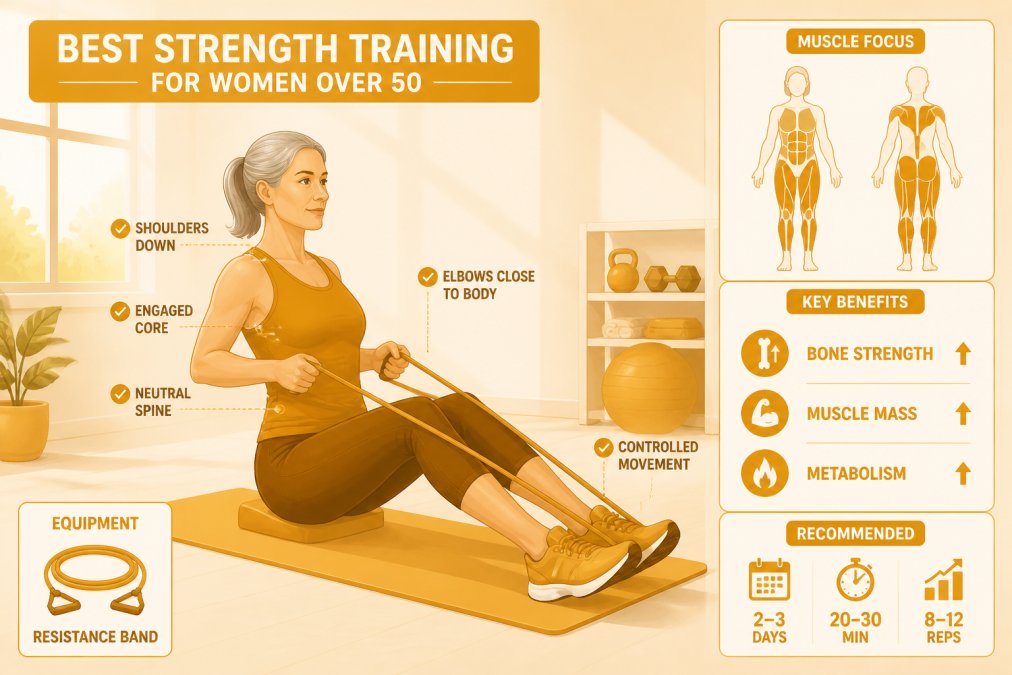
Frequency matters more than intensity at this stage. Aim for 2-3 resistance training sessions per week, spaced at least one day apart to allow recovery. Each session should last 30-45 minutes. This schedule provides enough stimulus to build muscle without excessive joint stress. Many women find that shorter, consistent sessions fit better into busy lives than longer, infrequent workouts.
Low-impact exercise options are particularly valuable if you have joint concerns. Resistance bands offer variable resistance that’s gentler on joints than heavy weights. Water-based resistance training provides buoyancy support while still challenging muscles. Bodyweight exercises like modified push-ups, wall sits, and step-ups can be remarkably effective when performed with proper form and adequate volume.
Recovery becomes increasingly important after 50. Ensure adequate sleep (7-9 hours nightly), manage stress through activities like yoga or meditation, and allow 48 hours between sessions targeting the same muscle groups. This recovery window permits muscle protein synthesis and adaptation.
Progressive resistance doesn’t mean heavy weights. It means gradually increasing the challenge, whether through more repetitions, longer time under tension, or slightly heavier resistance. Consistency and proper form trump heavy loads for building sustainable strength and body composition changes.
High Protein Diet for Women Over 50
Protein becomes your most important macronutrient after 50. Your body requires more protein to stimulate muscle protein synthesis, the process that builds and repairs muscle tissue. While younger adults might maintain muscle with 0.8 grams per kilogram of body weight, women over 50 benefit from 1.2-1.6 grams per kilogram daily, particularly when combined with strength training.
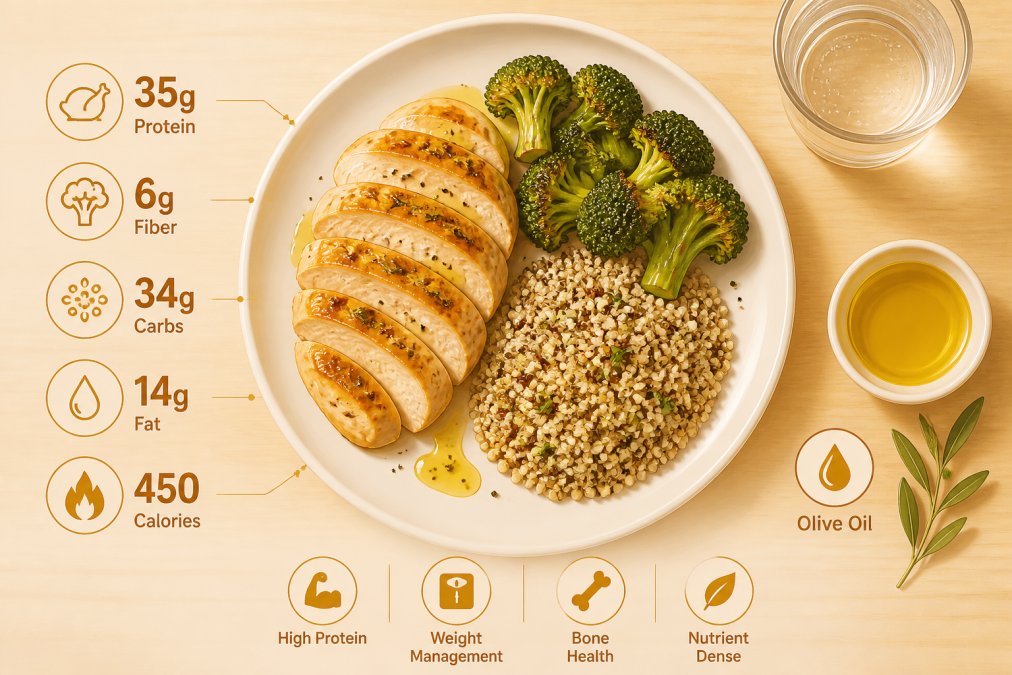
Distribute protein evenly across meals rather than consuming most at dinner. Research on muscle protein synthesis shows that spreading 25-30 grams of protein across three meals optimizes your body’s ability to build muscle throughout the day. This means including a substantial protein source at breakfast and lunch, not just dinner.
Whole food protein sources should form the foundation of your diet: lean meats, fish, eggs, Greek yogurt, cottage cheese, legumes, and nuts. These foods provide not just protein but also essential micronutrients, fiber, and satiety signals that support sustainable eating patterns. A 3-ounce serving of grilled chicken provides about 26 grams of protein. A cup of Greek yogurt delivers 15-20 grams. Two eggs provide 12-14 grams.
Fiber intake deserves equal attention. Aim for 25-30 grams daily from vegetables, fruits, whole grains, and legumes. Fiber supports digestive health, stabilizes blood sugar, and enhances satiety, all critical for sustainable weight loss. High-fiber foods also tend to be nutrient-dense, meaning you get more micronutrients per calorie.
Processed foods and added sugars should be minimized. These foods often lack nutrient density, spike blood sugar rapidly, and fail to trigger adequate satiety signals. A caloric deficit built on whole foods proves far more sustainable than one built on processed alternatives because whole foods keep you feeling fuller longer.
Hydration supports metabolic health and appetite regulation. Aim for at least 8-10 glasses of water daily, more if you’re exercising. Adequate hydration also supports kidney function as you increase protein intake.
Intermittent Fasting for Women Over 50
Intermittent fasting for women over 50 can be an effective tool, but it requires careful implementation to work with your hormonal landscape rather than against it. The most common approach, a 16:8 protocol (16 hours fasting, 8-hour eating window), works well for some women and poorly for others at this life stage.
The potential benefits are real: intermittent fasting can improve insulin sensitivity, reduce overall caloric intake without conscious restriction, and simplify meal planning. Some women report improved energy and mental clarity. However, aggressive fasting protocols can increase cortisol levels and disrupt sleep in women navigating hormonal transitions.
A gentler approach often works better: a 12-14 hour overnight fast with a reasonable eating window. If you finish dinner at 7 PM, this means eating breakfast between 7-9 AM. This approach provides some fasting benefits without the stress response that aggressive protocols can trigger. Many women find this sustainable long-term.
The key consideration is how fasting affects your individual hormonal balance. If you experience increased anxiety, sleep disruption, or mood changes, intermittent fasting may not be appropriate for you. Conversely, if you naturally prefer fewer eating occasions and feel energized by this approach, it can be a valuable tool.
Combine intermittent fasting with adequate protein and nutrient density during eating windows. A 14-hour fast followed by nutrient-poor meals won’t support your body composition goals. Your eating window should emphasize whole foods, adequate protein, and micronutrient density.
Intermittent fasting can increase cortisol levels and disrupt sleep in some women, particularly during hormonal transitions. If you experience anxiety, insomnia, or mood changes after starting intermittent fasting, discontinue it and consult with a healthcare provider. Fasting is a tool, not a requirement.
Menopause Weight Gain Solutions
Menopause weight gain isn’t inevitable, it’s a predictable metabolic response to hormonal change that responds well to targeted intervention. The weight gain most women experience during menopause stems from declining estrogen, which alters how your body distributes fat (favoring abdominal storage) and reduces your resting metabolic rate.
The solution isn’t a single intervention but a combination approach addressing the underlying mechanisms. Strength training directly combats the muscle loss that drives metabolic decline. Adequate protein supports muscle preservation and promotes satiety. Managing stress and prioritizing sleep help regulate cortisol and appetite hormones. These elements work synergistically.
Nutritional strategies should emphasize foods with high nutrient density and low glycemic impact. Vegetables, lean proteins, whole grains, legumes, and healthy fats provide satiety and stable blood sugar. Foods with high glycemic index, refined carbohydrates, sugary foods, processed options, trigger rapid blood sugar spikes and crashes that promote fat storage and increase hunger.
Portion control becomes more important after menopause simply because your caloric needs have declined. You may need 200-300 fewer calories daily than you did at 40. This doesn’t mean eating tiny portions, it means being intentional about portion sizes, particularly with calorie-dense foods like oils, nuts, and grains.
Some women benefit from medically supervised weight loss programs that provide structured support, accountability, and sometimes pharmaceutical intervention when appropriate. MedShape Weight Loss Clinics specializes in customized programs for women navigating hormonal transitions, combining behavioral coaching with medical supervision to address both the physical and psychological aspects of weight management.
Sustainable menopause weight management also requires addressing emotional eating and stress-related eating patterns. Many women turn to food during the emotional challenges that sometimes accompany menopause. Working with a therapist or counselor alongside medical supervision can address these patterns.
Women experiencing active weight gain during perimenopause or early menopause who want to prevent further accumulation while preserving muscle mass and bone density.
Medical Supervision and Medication Options
Medical supervision transforms weight loss outcomes for women over 50, particularly those with metabolic complications like insulin resistance or pre-diabetes. A qualified healthcare provider can identify underlying conditions that impede weight loss, monitor your progress objectively, and adjust your approach based on actual results rather than guesswork.
Certain medications can support weight loss when combined with behavioral changes. GLP-1 receptor agonists like semaglutide and tirzepatide work by increasing satiety signals, slowing gastric emptying, and improving insulin sensitivity. These medications don’t force weight loss, they reduce hunger and create an environment where behavioral changes feel sustainable rather than restrictive.
Compounded versions of these medications offer cost-effective alternatives to brand-name options, making medically supervised weight loss accessible to more women. According to FDA guidance on compounded medications, compounded versions must meet the same quality standards as brand-name equivalents when prepared by licensed pharmacies.
Other medications may be appropriate depending on your individual situation. Metformin improves insulin sensitivity and can support weight loss in women with insulin resistance or pre-diabetes. Certain antidepressants or anti-anxiety medications, if needed for other reasons, might be chosen partly for neutral or favorable weight effects rather than those that promote weight gain.
The decision to use medication should be made collaboratively with a healthcare provider who understands your complete medical picture. Not every woman needs medication, some achieve excellent results through behavioral changes alone. Others find that medication removes a significant barrier, making sustainable lifestyle changes finally feel achievable.
Medical supervision also identifies medication interactions or contraindications relevant to your specific situation. If you take thyroid medication, blood pressure medication, or other treatments, a qualified provider ensures weight loss interventions won’t interfere with their effectiveness.
Building Sustainable Habits for Long-Term Success
Weight loss is relatively straightforward, create a caloric deficit and your body loses fat. Keeping weight off long-term requires building habits that feel sustainable rather than restrictive. The difference between temporary weight loss and permanent weight management is whether your changes can become your normal life.
Start by identifying your current habits honestly. Track what you eat for one week without changing anything. Notice patterns: Do you snack in the afternoon? Eat larger portions at dinner? Skip breakfast then overeat later? These patterns reveal where sustainable change can happen.
Change one habit at a time rather than overhauling everything simultaneously. If you currently skip breakfast, add a protein-rich breakfast for two weeks before addressing anything else. Once that feels normal, add another change. This approach builds momentum and prevents the overwhelm that derails most people.
Identify your personal "non-negotiables", the foods or eating patterns you’re unwilling to give up permanently. If you love wine with dinner or dessert on weekends, build those into your sustainable plan rather than eliminating them. Unsustainable restriction is the primary reason people regain weight.
Environmental changes often matter more than willpower. If you keep sugary snacks visible in your kitchen, you’ll eat them more frequently. If you keep cut vegetables and protein readily available, you’ll eat those instead. Structure your environment to support your goals.
Social support significantly predicts long-term success. Whether through a structured program, a healthcare provider, friends with similar goals, or online communities, having people who understand your journey improves adherence and provides accountability without judgment.
Expect plateaus and temporary setbacks. Weight loss isn’t linear, your body will have periods where the scale doesn’t move despite consistent effort. This is normal physiology, not failure. Plateaus typically resolve within 2-4 weeks if you maintain your approach.
Regular monitoring helps distinguish between normal plateaus and situations requiring strategy adjustment. Weigh yourself weekly, take body measurements monthly, and assess how your clothes fit. If the scale hasn’t moved in 4 weeks despite consistent effort, you may need to increase activity, adjust caloric intake slightly, or address underlying issues like sleep or stress.
Weight loss for women over 50 requires addressing the metabolic and hormonal reality of your body at this life stage. Strength training, adequate protein, hormonal awareness, and sustainable habit-building form the foundation. For many women, adding medical supervision and evidence-based medication transforms what feels impossible into achievable. MedShape Weight Loss Clinics provides board-certified physicians and customized programs designed specifically for women navigating these challenges, offering compounded medication options and ongoing support to help you achieve lasting results. Schedule a consultation to discuss whether a medically supervised program aligns with your goals and health situation.
Frequently Asked Questions
Is it harder to lose weight after 50 due to hormonal changes?
Yes. After 50, women experience declining estrogen and progesterone levels, which reduce basal metabolic rate and increase fat storage around the midsection. Additionally, sarcopenia (age-related muscle loss) accelerates without strength training, further lowering caloric burn. These hormonal fluctuations make weight loss slower, but not impossible, it requires adjusting caloric intake, prioritizing protein, and incorporating resistance training to preserve lean muscle mass.
What role does protein play in weight loss for women over 50?
Protein is critical for women over 50 because it supports protein synthesis, helps preserve lean muscle mass during weight loss, and increases satiety, keeping you fuller longer. A higher protein intake also has a higher thermic effect, meaning your body burns more calories digesting it. Aim for 1.2 to 1.6 grams per kilogram of body weight daily, distributed across meals to maximize muscle retention and metabolic health.
How many calories should a woman over 50 eat to lose weight?
Caloric needs vary by current weight, activity level, and metabolism, but most women over 50 require 1,600 to 2,000 calories daily for weight loss. A moderate caloric deficit of 300 to 500 calories below your maintenance level supports steady fat loss without excessive muscle loss. Medical supervision helps determine your individual caloric deficit and ensures you're not under-eating, which can slow metabolism further.
What is the fastest way for a 50-year-old woman to lose weight?
The fastest sustainable approach combines a moderate caloric deficit, strength training to preserve muscle, adequate protein intake, and medical supervision if needed. Crash diets or extreme caloric restriction backfire by accelerating muscle loss and metabolic slowdown. Medically supervised programs using compounded medications alongside lifestyle changes can accelerate results while keeping you safe, losing 15 to 20 pounds per month under professional oversight, compared to 1 to 2 pounds weekly with diet alone.
Can I lose weight while taking hormone replacement therapy (HRT)?
Yes, HRT can actually support weight loss by stabilizing hormonal fluctuations that drive appetite and fat storage. However, some forms of HRT may cause slight water retention or appetite changes initially. Working with both your gynecologist and a weight loss specialist ensures your HRT and weight loss plan complement each other. Adjustments to either may be needed based on your individual response.
How do I handle emotional eating and stress-related weight gain after 50?
Emotional eating intensifies after 50 due to stress, cortisol levels, and life transitions. Address this by identifying triggers (boredom, stress, loneliness), replacing food-based coping with alternatives (exercise, journaling, social connection), and ensuring adequate sleep and hydration, both reduce cravings. Medical weight loss programs often include behavioral support or referrals to counseling, helping you develop psychological resilience alongside physical changes.
What medications interact with weight loss treatments for women over 50?
Compounded Tirzepatide and Semaglutide can interact with blood pressure medications, diabetes medications, and thyroid treatments. Always disclose your full medication list to your physician before starting any weight loss medication. Dosing adjustments may be needed for existing conditions like pre-diabetes or hypothyroidism. A board-certified physician will review interactions and monitor you throughout treatment to ensure safety.
How long does it take to see results with weight loss for women over 50?
With lifestyle changes alone, most women see 1 to 2 pounds of weight loss weekly. Medically supervised programs with medication can accelerate this to 3 to 5 pounds weekly initially. Results depend on adherence, starting weight, and individual metabolism. Most women report noticeable changes in energy, body composition, and how clothes fit within 4 to 6 weeks, even before the scale reflects major weight loss.
This article was written using GrandRanker