Skip to content

Table of Contents
- Why Weight Gain Happens During Menopause
- Understanding Hormonal Changes and Metabolic Rate
- How to Address Menopause Belly Fat
- Building a Menopause Weight Loss Diet Plan
- Strength Training for Menopause Weight Management
- Medical Interventions: Hormone Therapy and Beyond
- Can You Lose Weight During Menopause? Your Action Plan
- Conclusion
Last Updated: August 7, 2026
Why Weight Gain Happens During Menopause
Yes, you can lose weight during menopause, but the process is different from what worked before. The reason weight gain accelerates during this life stage isn’t a lack of willpower or suddenly eating more. It’s biology. Understanding what’s actually happening in your body is the first step toward reversing it.
During perimenopause and menopause, estrogen levels drop dramatically. This hormonal shift triggers a cascade of metabolic changes that make weight loss harder and weight gain easier. Your basal metabolic rate declines. Your body shifts how it stores fat, favoring accumulation around the midsection. Insulin resistance often develops, meaning your cells respond less efficiently to insulin signals. These aren’t separate problems, they’re interconnected consequences of hormonal fluctuation.
The visceral fat that accumulates during menopause is particularly stubborn. Unlike subcutaneous fat (the pinchable kind under your skin), visceral fat wraps around your organs and is metabolically active, driving inflammation and further metabolic dysfunction. This is why menopause belly fat feels different from weight you may have carried earlier in life.
The good news: these changes are reversible with the right approach. Weight loss during menopause requires addressing the underlying hormonal and metabolic shifts, not just cutting calories. At MedShape Weight Loss Clinics, we’ve worked with thousands of women navigating this transition, and the data is clear, targeted interventions work.
Menopause weight gain isn’t inevitable or permanent. It results from specific hormonal and metabolic changes that respond to targeted lifestyle modifications and, when appropriate, medical interventions.
Understanding Hormonal Changes and Metabolic Rate
Hormonal changes during menopause directly impact how your body burns calories and stores fat. The decline in estrogen is the primary driver, but it’s not the only hormone in play. Progesterone drops as well, and these shifts affect thyroid function, cortisol regulation, and how your body processes glucose.
Your metabolic rate, the number of calories your body burns at rest, declines during the menopausal transition. Many women experience a 5-10% reduction in basal metabolic rate. That means your body requires fewer calories to maintain the same weight. If you’re eating the same amount as you did in your 30s or 40s, you’re now consuming more than your body needs.
Insulin resistance frequently develops during perimenopause. Your cells become less responsive to insulin, meaning your pancreas must produce more insulin to manage blood sugar. Elevated insulin levels promote fat storage, particularly in the abdominal area. This creates a vicious cycle: higher insulin drives visceral fat accumulation, which increases inflammation, which further impairs insulin sensitivity.
Cortisol, your stress hormone, can also become dysregulated during menopause. Elevated cortisol promotes visceral fat storage and can interfere with sleep quality. Poor sleep, in turn, disrupts hormones that regulate hunger and satiety, making it harder to maintain caloric balance.
The key insight: you can’t out-diet these hormonal changes with willpower alone. You need to address the underlying metabolic dysfunction. This is where strength training, dietary adjustments, and, when appropriate, medical interventions become essential.
:::pro
Many women find that the same calorie deficit that worked in their 30s produces minimal weight loss in their 50s. This isn’t failure, it’s a sign that your metabolic needs have shifted and your approach needs to shift with them.
:::
How to Address Menopause Belly Fat
Menopause belly fat is notoriously resistant to traditional diet and cardio approaches because it’s driven by specific metabolic factors, not just overall calorie balance. Addressing it requires a multi-pronged strategy targeting visceral fat reduction directly.
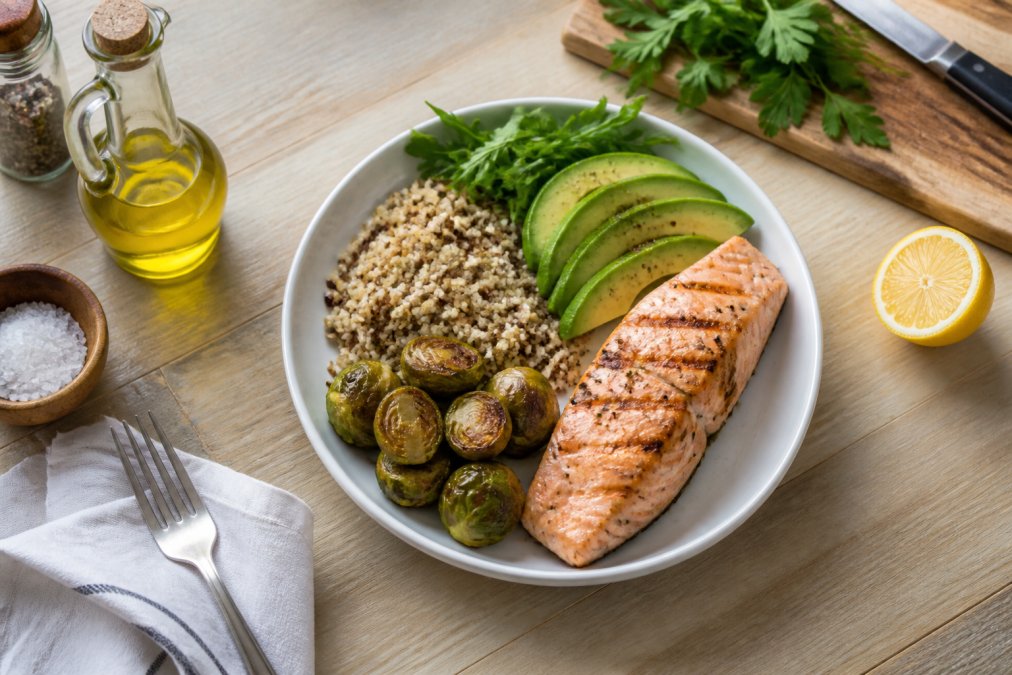
First, prioritize protein intake. Protein has a higher thermic effect than carbohydrates or fat, meaning your body burns more calories digesting it. More importantly, adequate protein preserves lean muscle mass during weight loss, which is critical because muscle loss accelerates metabolic decline. Most women in menopause benefit from consuming 1.2 to 1.6 grams of protein per kilogram of body weight daily. This higher protein intake also improves satiety, making it easier to maintain a caloric deficit without feeling deprived.
Second, shift your carbohydrate strategy. This doesn’t mean eliminating carbs, it means choosing fiber-rich, lower-glycemic options that don’t spike insulin. Refined carbohydrates and added sugars are particularly problematic during menopause because they exacerbate insulin resistance. Focus on vegetables, legumes, and whole grains that provide sustained energy without triggering large insulin spikes.
Third, incorporate healthy fats strategically. Omega-3 fatty acids from fish, flaxseed, and walnuts have anti-inflammatory properties and support metabolic health. Fat also slows gastric emptying, improving satiety. The key is choosing quality fats and maintaining appropriate portions.
Visceral fat is particularly responsive to aerobic activity combined with strength training. Regular physical activity directly reduces visceral fat accumulation independent of weight loss. Even without changing your diet, consistent exercise reduces visceral fat and improves insulin sensitivity.
Crash dieting during menopause often backfires. Severe calorie restriction triggers muscle loss, further reducing metabolic rate, and increases cortisol, promoting visceral fat storage. You need a sustainable deficit, typically 300-500 calories below maintenance, combined with strength training to preserve muscle.
Building a Menopause Weight Loss Diet Plan
A menopause weight loss diet plan must account for the metabolic realities of this life stage. The generic "eat less, move more" approach fails for most women because it doesn’t address hormonal dysfunction or the need to preserve lean muscle mass.
Start by establishing your actual caloric needs. Your basal metabolic rate has declined, and activity level varies widely. Rather than guessing, track your intake for a week and assess your current baseline. From there, create a modest deficit, 300-500 calories below your maintenance level. This is aggressive enough to drive meaningful weight loss while preserving muscle and avoiding the metabolic adaptation that occurs with extreme restriction.
Next, structure your macronutrient distribution around protein priority. A practical framework for menopausal women:
- Protein: 30-35% of total calories
- Healthy fats: 30-35% of total calories
- Carbohydrates: 30-40% of total calories
This distribution supports satiety, metabolic health, and muscle preservation. It’s not a rigid prescription, adjust based on your hunger signals and energy levels, but it provides a starting point that works for most women.
Meal timing matters during menopause. Eating protein and fiber at breakfast stabilizes blood sugar throughout the day and reduces afternoon cravings. Spreading protein intake across three meals (rather than concentrating it at dinner) optimizes muscle protein synthesis. Eating too close to bedtime can disrupt sleep quality, which directly impairs weight loss, so aim for your last meal 2-3 hours before sleep.

Track your progress beyond the scale. Weight can fluctuate due to water retention, hormonal cycles, and muscle gain. Measure body composition changes, how your clothes fit, and how you feel. Many women find that strength training combined with dietary changes improves body composition even when scale weight doesn’t move dramatically in the first month.
Strength Training for Menopause Weight Management
Strength training is non-negotiable during menopause. It’s the single most effective tool for counteracting metabolic decline, preserving lean muscle mass, and reducing visceral fat. Women who resistance train during menopause lose more fat and preserve more muscle than those relying on diet and cardio alone.
Your lean muscle mass is your metabolic engine. For every pound of muscle you lose, your daily calorie burn decreases. Menopause accelerates muscle loss through hormonal changes, so you’re fighting a biological headwind. Strength training directly combats this by providing the stimulus needed to maintain and build muscle.
The protocol doesn’t need to be extreme. Research supports resistance training 2-3 times per week, targeting all major muscle groups. Each session should last 30-45 minutes. Compound movements, squats, deadlifts, chest presses, rows, are most efficient because they engage multiple muscle groups and drive greater hormonal response.
Progressive overload matters. Your muscles adapt to the stimulus they receive. Gradually increasing weight, reps, or sets ensures continued adaptation and muscle preservation. Many women find that working with a trainer for 4-6 sessions helps establish proper form and build confidence, then they can continue independently.
(/semaglutide-fda-approved-new-weight-loss-drug/)]
Strength training also improves insulin sensitivity independent of weight loss. This is crucial because improving how your body handles glucose reduces visceral fat accumulation and improves overall metabolic health. The combination of strength training plus dietary adjustments creates a synergistic effect that neither approach alone can achieve.
Don’t fear building muscle during menopause. The hormonal environment makes significant muscle gain difficult, so your primary goal is preservation, not hypertrophy. Strength training keeps you metabolically healthy while supporting the fat loss that occurs from your caloric deficit.
Medical Interventions: Hormone Therapy and Beyond
When lifestyle modifications alone aren’t producing results, medical interventions can be transformative. This is where many women find the breakthrough they’ve been seeking.
Hormone therapy (HT) can support weight loss during menopause by addressing the underlying hormonal deficiency. Estrogen replacement improves insulin sensitivity, supports metabolic rate, and reduces visceral fat accumulation. Women using hormone therapy often find that weight loss becomes easier and that their baseline metabolic rate improves. However, hormone therapy isn’t appropriate for everyone, it requires careful evaluation by a qualified physician to assess individual risk factors and benefits.
Compounded Tirzepatide and Semaglutide represent a newer approach to weight management during menopause. These medications improve insulin sensitivity and reduce appetite, creating conditions favorable for sustained weight loss. Unlike hormone therapy, which addresses the hormonal deficiency directly, these medications work through metabolic pathways that improve how your body processes glucose and manages energy balance.
Tirzepatide, in particular, has shown significant efficacy for weight loss in women with insulin resistance, a condition extremely common during menopause. The medication works by activating GLP-1 and GIP receptors, improving insulin secretion and reducing hunger signals. Many women using these medications achieve meaningful weight loss even when previous dietary and exercise efforts plateaued.
MedShape Weight Loss Clinics specializes in medically supervised programs using compounded Tirzepatide and Semaglutide. Board-certified physicians work with each patient to customize treatment based on individual health needs, metabolic status, and response to therapy. The advantage of medical supervision is that dosing, side effects, and progress are monitored, and adjustments are made based on your specific results.
It’s important to understand that these medications are tools, not solutions. They work best when combined with the dietary and exercise strategies outlined above. The medication creates metabolic conditions favorable for weight loss, but you still need to address caloric balance and build healthy habits that persist long-term.
Some women experience nausea or other side effects when starting GLP-1 medications. This is manageable, often resolving as the body adapts, but it requires proper medical oversight. Starting at a lower dose and titrating gradually minimizes side effects while allowing your body to adjust.
Can You Lose Weight During Menopause? Your Action Plan
The answer is unequivocally yes. You can lose weight during menopause, and many women achieve their best results when they address the specific metabolic and hormonal challenges of this life stage.
Here’s your evidence-based action plan:
-
Establish your baseline – Track your current intake and activity level for one week. Measure your weight, take progress photos, and assess how your clothes fit. This baseline is your reference point.
-
Create a modest caloric deficit – Aim for 300-500 calories below your maintenance level. This is aggressive enough to drive weight loss while preserving muscle and avoiding metabolic adaptation.
-
Prioritize protein – Consume 1.2-1.6 grams per kilogram of body weight daily, distributed across three meals. This preserves muscle, improves satiety, and supports metabolic health.
-
Choose quality carbohydrates – Focus on fiber-rich, lower-glycemic options. Minimize refined carbohydrates and added sugars that exacerbate insulin resistance.
-
Implement strength training – Train 2-3 times per week, targeting all major muscle groups with compound movements. Progressive overload ensures continued adaptation.
-
Optimize sleep and stress – Aim for 7-9 hours nightly. Poor sleep impairs weight loss and increases cortisol. Stress management is equally important.
-
Consider medical evaluation – If you’ve implemented these changes for 8-12 weeks without meaningful progress, consult a physician. Hormone therapy, thyroid evaluation, or medications like Tirzepatide may be appropriate.
-
Track progress beyond the scale – Measure body composition, how you feel, and functional improvements. Scale weight is one data point among many.
The timeline for results varies, but most women see meaningful changes within 4-8 weeks of consistent implementation. The key is sustainability, these aren’t temporary changes but shifts in how you approach nutrition, movement, and health during this life stage.
Weight loss during menopause is achievable, but it requires understanding the specific metabolic and hormonal changes driving weight gain. Addressing visceral fat, improving insulin sensitivity, and preserving lean muscle mass through targeted nutrition and strength training creates the foundation for sustained results. When lifestyle modifications need additional support, medically supervised treatment with compounded medications offers a science-backed path forward. MedShape Weight Loss Clinics provides board-certified physician oversight and customized programs designed specifically for women navigating menopausal weight challenges. Schedule a consultation to discuss which approach aligns with your health goals and current metabolic status.
Frequently Asked Questions
Does menopause make weight loss harder?
Yes. Menopause causes estrogen levels to drop significantly, which slows your basal metabolic rate and shifts fat distribution toward the midsection. Your body burns fewer calories at rest, and insulin resistance often develops, making weight loss more challenging than before menopause. However, weight loss is still achievable with the right combination of dietary changes, strength training, and medical support if needed.
Can I lose weight during menopause without hormone replacement therapy?
Absolutely. Many women successfully lose weight during menopause through dietary adjustments, strength training, improved sleep, and stress management alone. A structured menopause weight loss diet plan focusing on protein intake, fiber-rich foods, and nutrient density, combined with regular resistance exercise, can produce significant results. Medical options like compounded medications are available if lifestyle changes need additional support.
What macronutrient ratios work best for menopause weight loss?
Higher protein intake (1.2-1.6 grams per kilogram of body weight) helps preserve lean muscle mass as your metabolic rate declines. Prioritize complex carbohydrates with high fiber content to manage blood sugar and insulin resistance. Include healthy fats from sources like avocados, nuts, and olive oil. A board-certified physician or registered dietitian can personalize these ratios based on your individual health profile and metabolic needs.
How long does it take to see weight loss results during menopause?
Most women see initial results within 4-6 weeks of consistent dietary changes and exercise, though the rate varies based on starting weight, age, and adherence. Strength training may show body composition improvements before scale weight changes. Medically supervised programs can accelerate results. Consistency matters more than speed, sustainable weight loss of 1-2 pounds per week is typical and healthier than rapid weight loss.
This article was written using GrandRanker