Skip to content
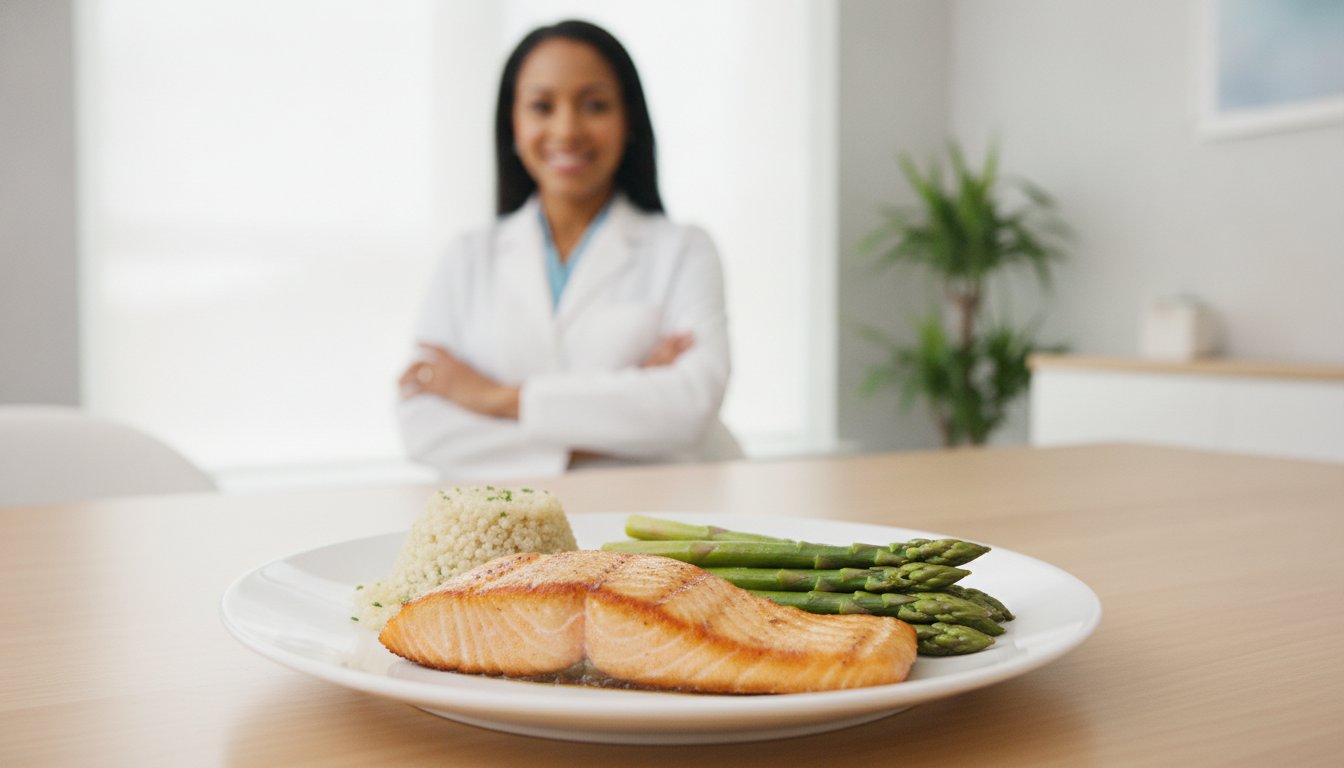
Cutting calories isn’t the secret to Semaglutide success; strategic metabolic fueling is. While clinical trials like STEP 1 show patients losing an average of 14.9% of their body weight, the quality of that weight loss depends entirely on the specific foods to eat on semaglutide. You’ve likely noticed that while the hunger has faded, the confusion over what to put on your dinner table has only grown. It’s exhausting to deal with waves of nausea or the nagging fear that you’re losing muscle instead of fat.
We understand that you want rapid results without the debilitating GI distress. This clinical-grade framework identifies the nutrient-dense choices required to maximize fat oxidation while preserving the lean muscle that keeps your metabolism firing. We’re moving past generic diet advice to provide a results-driven roadmap that eliminates bloating and prevents weight plateaus. You’ll learn exactly how to structure your intake to support your body’s transformation and build sustainable habits that ensure long-term success.
Key Takeaways
- Prioritize lean protein intake to protect your metabolic rate. Targeting 1.2g to 1.5g of protein per kilogram of body weight is the non-negotiable anchor for preventing muscle wasting.
- Master the list of optimal foods to eat on semaglutide to minimize common side effects. Identifying specific trigger foods ensures you maintain progress without the disruption of nausea or bloating.
- Optimize your cellular hydration by focusing on more than just water. Strategic electrolyte replacement is essential to eliminate headaches and the metabolic fatigue often associated with GLP-1 protocols.
- Learn to manage delayed gastric emptying through clinical nutritional strategies. Utilizing the “Bland and Basic” method during injection days provides a structured approach to maintaining digestive comfort.
- Discover why professional supervision and protocols featuring B12 deliver superior energy levels. A structured medical framework prevents the common plateaus and muscle loss found in unsupervised weight loss attempts.
Fueling Your Transformation: Why Your Diet is the Secret to Semaglutide Success
You’ve likely heard that this medication is a total game-changer for weight loss, but it’s vital to understand that it’s a metabolic tool, not a substitute for proper fueling. Relying solely on the drug’s ability to suppress hunger is a common mistake that leads to plateaus and poor body composition. While Semaglutide provides the physiological edge you need, your nutritional choices determine the quality of your results. To achieve a true transformation, you must prioritize the specific foods to eat on semaglutide that support fat loss rather than just weight loss.
True success requires more than just eating less. It demands a strategic alignment between your biology and your plate. When you match your protocol with a high-performance nutritional plan, you create a state of metabolic synergy. This ensures your body is primed to burn fat efficiently while maintaining the energy levels you need to stay active. We’re moving past the “reduced calorie” mindset. Instead, we’re focusing on a clinical-grade framework where the medication and your nutrition work as a unified force to incinerate fat and preserve your health.
The Science of Satiety and Gastric Emptying
Delayed gastric emptying is the physiological process where food leaves the stomach more slowly, thereby extending the duration of satiety signals sent to the brain. This mechanism is exactly why you feel full for hours after a small meal. However, because food lingers, “heavy” items like fried dishes or high-fat meats become problematic. These choices often lead to the intense nausea and bloating that derail many patients’ progress. You must select the correct foods to eat on semaglutide to maintain digestive comfort and keep your transformation on track.
Fat Loss vs. Weight Loss: The Critical Distinction
Rapid weight loss is dangerous if it isn’t structured correctly. Without a clinical framework, your body will break down muscle tissue for fuel, which destroys your metabolic rate. The scale is a deceptive metric if it’s measuring the loss of lean mass instead of adipose tissue. Our physician-monitored approach ensures you are torching fat while protecting the muscle that keeps your metabolism high for the long term. This distinction is the difference between a temporary fix and a permanent lifestyle change.
The Lean Protein Priority: Protecting Muscle While Torching Fat
Protein is the non-negotiable anchor of your transformation. When you utilize GLP-1 medications, your body enters a significant caloric deficit that can trigger muscle catabolism. Without a steady supply of amino acids, your system will scavenge its own muscle tissue for energy. This is a catastrophic outcome for your metabolism. To prevent muscle wasting and maintain a high basal metabolic rate, you must target a clinical range of 1.2g to 1.5g of protein per kilogram of body weight. This isn’t just about maintenance; it’s about metabolic optimization. Protein possesses a high Thermic Effect of Food (TEF), meaning your body burns significantly more calories simply digesting it than it does with fats or carbohydrates.
The most effective foods to eat on semaglutide for this purpose include grilled poultry, white fish, egg whites, and plain Greek yogurt. These options provide the necessary building blocks for muscle repair without the inflammatory fats that hinder your progress. By centering every meal around these lean sources, you ensure that your weight loss comes from fat stores rather than functional tissue.
Bioavailable Protein Sources for Maximum Absorption
Bioavailability refers to how efficiently your body absorbs and utilizes the protein you consume. Egg whites and high-quality whey protein rank at the top of the scale, providing a complete amino acid profile with minimal digestive effort. On days when solid food feels too heavy due to delayed digestion, clean liquid protein shakes become an essential tool. However, you must be cautious. You should avoid “fatty” protein sources like ribeye or dark poultry meat. High fat content combined with the medication’s slowed gastric emptying is a primary trigger for common gastrointestinal side effects. Stick to lean, clean sources to keep your fat loss aggressive and your stomach settled.
Timing Your Protein Intake
Because your appetite will diminish rapidly after just a few bites, timing is everything. You must front-load your protein intake during the windows when you feel most capable of eating. If you wait until the end of the day, you’ll likely find yourself too full to hit your clinical targets. When your appetite is at its lowest, integrating professional Weight Loss Supplements can bridge the nutritional gap and ensure your body remains in an anabolic state. Prioritizing these essential foods to eat on semaglutide ensures that every calorie you consume serves your ultimate goal of achieving a leaner, stronger physique.
Mitigating Side Effects: What to Eat to Stop Nausea and Bloating
Nausea isn’t a mandatory price for metabolic transformation. Most patients experience GI distress because they haven’t adjusted their intake to match their new, slower digestive speed. As we established in the first section, the medication significantly delays gastric emptying. This means that high-fat and ultra-processed items remain in the stomach for an extended period, leading to fermentation and the infamous “sulfur burp” phenomenon. To combat this, you must adopt a “Bland and Basic” strategy, particularly during the 48 hours following your weekly injection. Selecting the correct foods to eat on semaglutide during this critical window is the difference between a productive week and one spent in total discomfort.
Sulfur burps occur when proteins sit in the stomach too long and begin to break down into hydrogen sulfide gas. You can manage this by reducing portion sizes and avoiding heavy, sulfur-rich foods like red meat or onions on your injection day. Efficiency is the goal. Your digestive system is working harder than usual, so you must provide it with fuel that is easy to process. If you ignore these physiological changes, you risk chronic bloating and a complete halt in your progress due to feeling too ill to maintain your routine.
The GI-Friendly Food List
Micro-meals are your most powerful defense against gastric distress. Instead of three large sittings, consume five or six small, nutrient-dense portions throughout the day. This prevents the stomach from becoming over-distended and reduces the pressure on your esophageal sphincter. Focus on ginger and peppermint, which have clinical track records for soothing the digestive lining. Low-acid fruits, specifically melons and bananas, provide essential vitamins without the irritation caused by citrus. Fermented foods like kefir or low-fat Greek yogurt introduce beneficial bacteria that assist in processing food more efficiently under a slowed digestive timeline.
Foods to Avoid at All Costs
Carbonated beverages are a primary culprit for severe bloating. The trapped gas has nowhere to go in a slowed digestive system, leading to intense pressure and cramping. Additionally, refined sugars and sugar alcohols like erythritol or xylitol can cause osmotic diarrhea. These ingredients are often hidden in “diet” snacks, making label reading mandatory for your success. Avoid these five frequent triggers to keep your GI tract calm:
- Deep-fried appetizers: These fats sit in the stomach for hours, causing intense nausea.
- Heavy cream-based sauces: High fat content combined with dairy often leads to immediate bloating.
- Spicy peppers: Capsaicin can irritate the stomach lining when digestion is slowed.
- Large servings of raw cruciferous vegetables: Broccoli and cauliflower are difficult to break down and produce excessive gas.
- High-sugar sodas: The combination of carbonation and refined sugar is a recipe for GI disaster.
By strictly managing these foods to eat on semaglutide, you empower yourself to focus on your fat loss goals without the distraction of preventable side effects.
Beyond Macros: Micronutrients and Hydration for Metabolic Health
Mastering your macros is only half the battle. To sustain a high-performance metabolism, you must address the micronutrient deficiencies that often accompany rapid fat loss. When your body aggressively burns fat, it releases stored water and glycogen, which simultaneously flushes out critical electrolytes. This depletion is the primary cause of the “Semaglutide fatigue” and persistent headaches that many patients misinterpret as permanent side effects. You don’t have to suffer through these symptoms. By prioritizing specific mineral-rich foods to eat on semaglutide, such as spinach for magnesium or avocados for potassium, you can maintain peak energy levels throughout your protocol.
Metabolic maintenance also requires specific thyroid-supportive nutrients. Your thyroid acts as the thermostat for your metabolism; it relies heavily on selenium and iodine to function. If these levels drop, your weight loss will stall regardless of your caloric intake. Integrating Brazil nuts for selenium or sea vegetables for iodine ensures your hormonal health keeps pace with your physical transformation. This holistic view is what separates a successful clinical protocol from a failed DIY attempt. Precision nutrition is the key to longevity.
The Hydration Protocol
Water alone is insufficient for cellular hydration. You must target a minimum of 80 to 100 ounces of fluid daily, but it’s the quality of that fluid that matters most. Adding sugar-free electrolyte enhancers provides the sodium, potassium, and magnesium required to transport water into your cells. If you’re experiencing dizziness or brain fog, you’re likely dehydrated. Don’t wait for thirst to strike. Establish a rigorous schedule to ensure you’re hitting these targets consistently to keep your system flushing toxins effectively.
Fiber Without the Bloat
Constipation is a frequent challenge due to slowed motility, but the wrong fiber can cause excruciating gas. You need soluble fibers that move gently through the digestive tract. Chia seeds and ground flaxseeds are excellent foods to eat on semaglutide because they provide bulk without the aggressive fermentation of insoluble grains. For those who find their progress hampered by hormonal barriers, exploring a structured Thyroid Weight Loss program can unlock the metabolic hurdles that diet alone cannot fix. If you want to master your metabolic health without the guesswork, contact MedShape Weight Loss to start your professional protocol today.
The MedShape Advantage: Professional Supervision for Maximum Results
Attempting a DIY approach to medical weight loss is one of the most common reasons patients fail to see lasting results. Without professional supervision, it’s remarkably easy to fall into the trap of severe caloric restriction that triggers muscle wasting rather than fat loss. While you now know the essential foods to eat on semaglutide, implementing this knowledge requires clinical precision. Our physician-led programs at MedShape Weight Loss provide the necessary oversight to adjust your nutritional targets as your metabolism shifts throughout your journey. We ensure that your body is fueled for performance, not just survival.
Our clinical approach incorporates high-quality Injections for Weight Loss that are formulated to maximize efficacy while minimizing discomfort. By integrating B12 directly into our protocols, we address the cellular energy requirements that your body demands during a significant metabolic shift. This proactive management prevents the “crash” often associated with unsupervised protocols. We don’t just provide the medication; we provide the roadmap to ensure your body remains a fat-burning machine. This level of detail is impossible to achieve through generic online prescriptions or unmonitored programs.
Customized Medical Weight Loss Packages
We offer specialized Semaglutide Packages and Tirzepatide Packages designed to meet your specific biological needs. Unlike insurance-based models that often prioritize red tape over results, our direct-pay medical protocols focus entirely on your success. Regular metabolic monitoring and body composition analysis allow us to pivot your plan in real-time. This ensures you never hit the dreaded weight loss plateau that stops most people in their tracks. We prioritize your health by tracking lean muscle mass, ensuring your transformation is both visible and metabolically sound.
Your Next Steps to Transformation
Your journey toward a high-performance lifestyle begins with a professional consultation. During this initial meeting, we’ll establish your metabolic baseline and walk you through a comprehensive nutritional orientation. You’ll learn exactly how to prepare for your first injection and how to integrate the best foods to eat on semaglutide into your daily routine. We also offer professional Weight Loss Supplements to bridge any nutritional gaps and keep your progress aggressive. Don’t leave your health to chance or generic online advice. Start your metabolic transformation with the experts who prioritize your results. Contact MedShape Weight Loss today to secure your consultation and take the first definitive step toward the body you deserve.
Your Path to a Permanent Metabolic Transformation
Achieving your target weight is only the beginning of your physical evolution. By prioritizing lean proteins and mineral-dense foods to eat on semaglutide, you’ve already laid the groundwork for a stronger, more resilient metabolism. Success requires more than just a caloric deficit; it demands a synergy between advanced pharmacology and precision nutrition. We’ve shown you how to protect your lean muscle and eliminate GI distress through strategic fueling and clinical-grade hydration.
Don’t leave your transformation to chance or unmonitored protocols that lead to plateaus. Since 2004, MedShape Weight Loss has provided physician-supervised protocols that prioritize clinical outcomes over insurance red tape. Our specialized metabolic experts are ready to guide you through a direct-pay model designed for maximum efficiency and personalized care. It’s time to stop guessing and start seeing the results you deserve.
Secure Your Results-Oriented Semaglutide Package Today and take control of your health with the leaders in metabolic weight loss. Your new life is waiting.
Frequently Asked Questions
Is there a specific “Semaglutide diet” I must follow for results?
There is no single, branded diet you must follow, but achieving maximum fat loss requires a structured, clinical-grade nutritional framework. While the medication handles appetite suppression, your results depend on prioritizing high-protein, nutrient-dense options. We focus on a protocol that aligns with your biology to ensure every calorie supports your metabolic transformation rather than just reducing the number on the scale.
Can I drink alcohol while taking Semaglutide injections?
You should significantly limit or entirely avoid alcohol while on this protocol to protect your results and digestive comfort. Alcohol contains empty calories that stall fat oxidation and can exacerbate common side effects like nausea or acid reflux. Since the medication already slows your digestion, alcohol remains in your system longer, increasing the risk of severe GI distress and metabolic interference.
How much protein do I really need to eat to prevent muscle loss?
To prevent sarcopenia and maintain your metabolic rate, you must consume between 1.2g and 1.5g of protein per kilogram of your total body weight. This level of intake ensures your body preserves lean muscle tissue while aggressively burning fat stores. High-quality sources like egg whites, Greek yogurt, and white fish are the most effective foods to eat on semaglutide to hit these targets without excess fat or calories.
What should I eat if I am too nauseous to have a full meal?
Utilize the “Bland and Basic” strategy by choosing simple, easy-to-digest items like saltine crackers, ginger tea, or a cold protein shake. Small, frequent sips or bites are much more effective than forcing a traditional meal when your stomach feels unsettled. These choices provide necessary nutrients without overtaxing your digestive system during periods of heightened sensitivity following your weekly injection.
Are there any fruits or vegetables I should avoid on Semaglutide?
You should avoid high-acid citrus fruits and raw cruciferous vegetables like broccoli or cauliflower if you experience frequent bloating or gas. These items are often difficult for a slowed digestive tract to process efficiently, leading to abdominal pressure and discomfort. Instead, opt for low-acid fruits like melons and cooked, non-starchy vegetables that move more gently through your system.
Does Semaglutide cause vitamin deficiencies that I need to address with food?
The medication itself doesn’t cause deficiencies, but the significant reduction in food volume can lead to lower levels of B12, magnesium, and potassium. We address this through physician-supervised protocols that often include B12 support and targeted supplementation. Focus on eating nutrient-dense foods to ensure you’re getting the most out of every bite while your appetite is suppressed.
How does hydration affect the side effects of Semaglutide?
Proper hydration is the most effective way to eliminate headaches, dizziness, and the “medication fatigue” many patients report. Water alone isn’t enough; you need sodium, potassium, and magnesium to ensure fluid actually reaches your cells. Maintaining a daily target of 80 to 100 ounces of electrolyte-enhanced fluid keeps your system flushing toxins and prevents the constipation often caused by slowed motility.
Can I eat fried foods occasionally, or will they make me sick?
Fried foods are high-risk and frequently cause immediate nausea, vomiting, or severe bloating due to their high fat content. Because the medication slows gastric emptying, these heavy fats sit in your stomach far longer than usual, leading to intense digestive distress. When considering the best foods to eat on semaglutide, it’s safer to stick to grilled or baked preparations that don’t overtax your metabolic system.