Skip to content
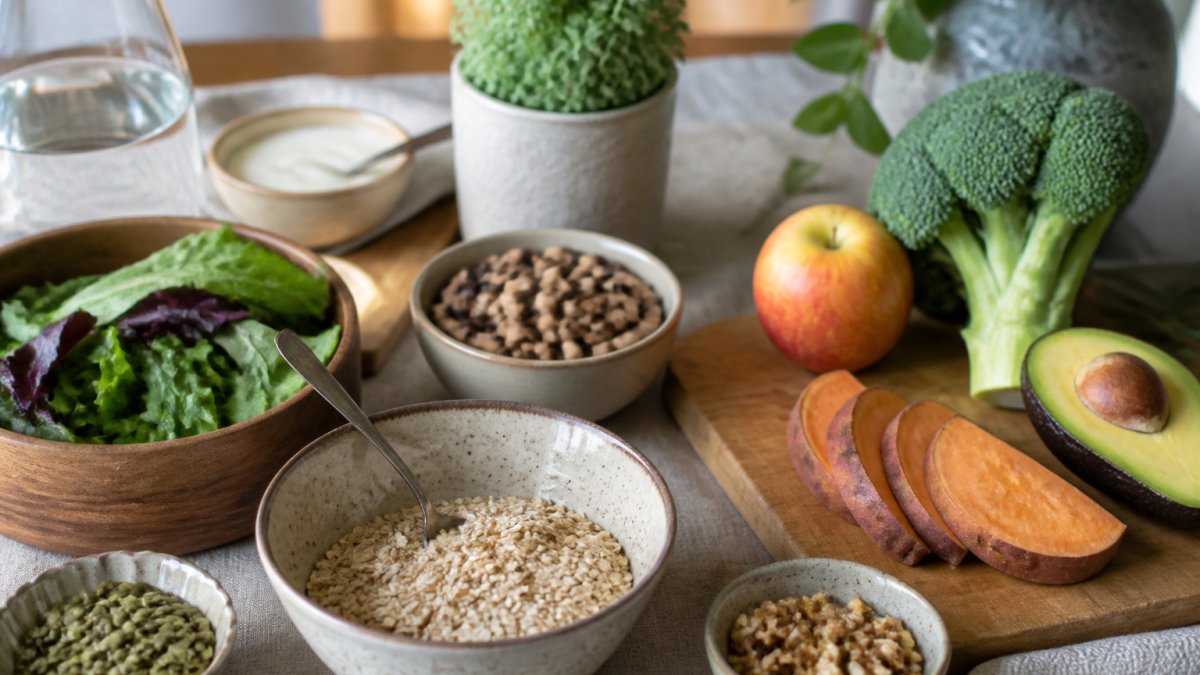
Table of Contents
- What GLP-1 Is and Why Boosting It Matters for Weight Loss
- How Food Stimulates Natural GLP-1 Release
- Protein and GLP-1: The Foundation of Natural Secretion
- Fiber and GLP-1: Why Soluble Fiber Triggers Satiety
- Foods That Increase GLP-1 Naturally: Practical Examples
- How to Increase GLP-1 Naturally for Weight Loss: A Step-by-Step Routine
- Realistic Expectations: Food vs. GLP-1 Medication and Safety Considerations
- Conclusion
- Frequently Asked Questions
Last Updated: October 12, 2026
What GLP-1 Is and Why Boosting It Matters for Weight Loss
GLP-1 (glucagon-like peptide-1) is a hormone your body produces when you eat. Understanding natural ways to boost GLP-1 gives you real control over weight loss.
When GLP-1 rises, your brain gets a fullness signal: you eat less, blood glucose stays steady, and fat loss gets easier.
Certain foods make your intestines release GLP-1 into the bloodstream, and more GLP-1 means stronger appetite control.
You don’t need medication to trigger more GLP-1 naturally. The right foods, eaten the right way, activate the same hormone system that GLP-1 drugs target.
How Food Stimulates Natural GLP-1 Release
Food doesn’t just fill your stomach, it sends chemical signals that trigger GLP-1 release.
Cells in your gut lining sense nutrients. When they detect protein, fiber, or healthy fats, they release GLP-1 into your blood, and satiety follows within minutes.
Not all foods trigger the same response:
- Protein signals strong GLP-1 release
- Soluble fiber creates a slower, sustained release
- Healthy fats extend the effect
- Processed carbs trigger minimal GLP-1 activity
That’s why chicken, broccoli, and olive oil control appetite better than bread and jam: the first floods your system with GLP-1, the second barely moves the needle.
Timing also matters. Eating slowly gives your gut time to sense fullness before you overeat; rushing means you consume too much before GLP-1 kicks in.
Eat protein first at each meal. Your body releases GLP-1 faster when protein hits your gut before carbs. This simple sequencing reduces total calorie intake without feeling deprived.
Protein and GLP-1: The Foundation of Natural Secretion
Protein and GLP-1 work together: protein triggers the strongest GLP-1 response of any macronutrient, which is why high-protein diets feel easier to stick to.
Your body breaks protein into amino acids and peptides that signal your intestines to release GLP-1, the effect is dose-dependent.
Lean protein sources work best:
- Fish and seafood (salmon, cod, shrimp)
- Poultry (chicken breast, turkey)
- Eggs
- Greek yogurt
- Cottage cheese
- Legumes (beans, lentils)
Aim for 25-40 grams of protein per meal, spread across three meals rather than loaded at dinner, to trigger GLP-1 secretion without excess calories.
Protein is the most powerful food lever you have for natural GLP-1 release. Every meal should start with a protein source.
Fiber and GLP-1: Why Soluble Fiber Triggers Satiety
Soluble fiber creates a different GLP-1 response than protein. Instead of a sharp spike, fiber produces a slow, sustained release. This keeps you full for hours.
Soluble fiber dissolves in water and forms a gel in your digestive tract, slowing stomach emptying so GLP-1 secretion continues steadily instead of spiking and dropping.
Best soluble fiber sources:
- Oats and oat bran
- Beans and lentils
- Apples and pears (with skin)
- Berries
- Sweet potatoes
- Barley
- Chia and flax seeds
Start with 10-15 grams of soluble fiber daily and increase slowly. Too much too fast causes bloating. Your gut bacteria adapt over two to three weeks.
Jumping from low fiber to high fiber overnight causes digestive discomfort. Add fiber gradually, drink extra water, and give your system time to adjust.
Foods That Increase GLP-1 Naturally: Practical Examples
The best foods that increase GLP-1 naturally combine protein, soluble fiber, and healthy fats in one meal. Below are portioned examples with approximate protein, fiber, and calorie ranges.
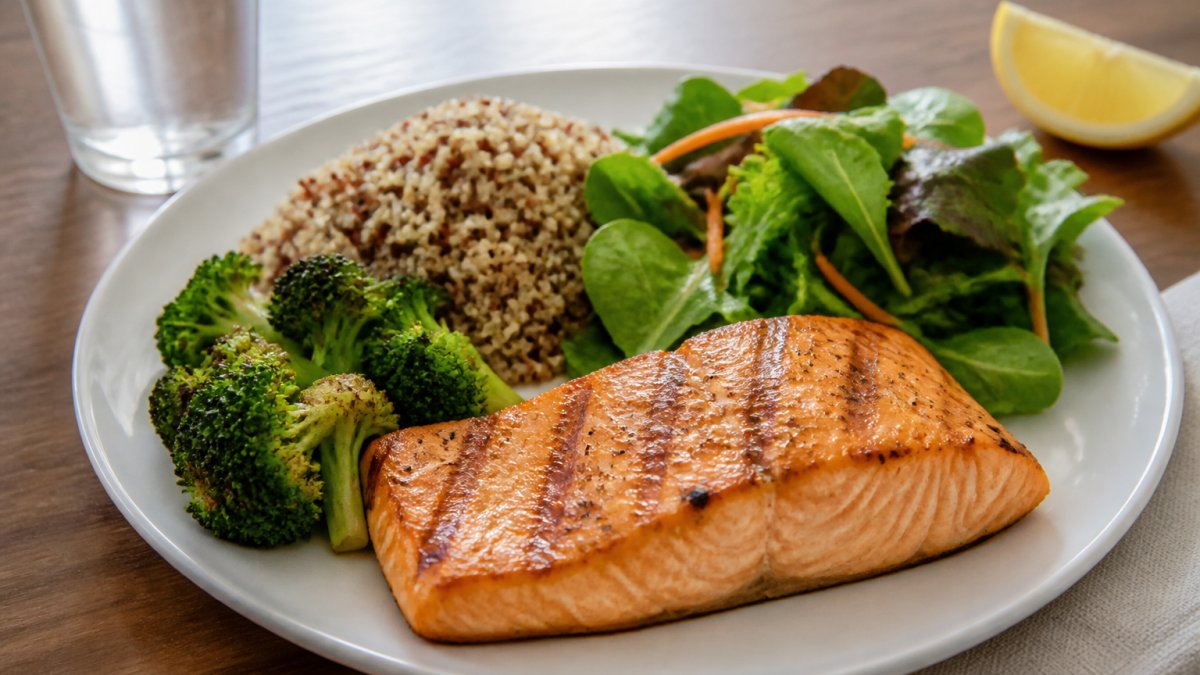
Breakfast Option 1 (about 480-540 calories, 22-25g protein, 9-11g fiber)
- 3 large eggs scrambled with 1 cup fresh spinach
- 1 slice whole-grain toast (about 1 oz)
- 1/2 medium avocado (about 50g)
- 1 small apple (about 150g)
Breakfast Option 2 (about 400-450 calories, 20-24g protein, 8-10g fiber)
- 1 cup plain Greek yogurt (about 200g)
- 2 tbsp chia seeds
- 1/2 cup berries
- 1 tbsp chopped walnuts
Lunch Option 1 (about 550-620 calories, 38-42g protein, 12-14g fiber)
- 5 oz grilled chicken breast
- 1 cup cooked lentils
- 2 cups mixed greens with 1 tbsp olive oil and vinegar
- 1/2 cup berries
Lunch Option 2 (about 500-560 calories, 30-34g protein, 13-15g fiber)
- 1 cup chickpeas
- 1 cup roasted sweet potato cubes
- 2 cups baby spinach
- 1 tbsp tahini dressing
Dinner Option 1 (about 600-680 calories, 40-44g protein, 8-10g fiber)
- 6 oz baked salmon
- 1 cup roasted broccoli
- 1/2 cup cooked barley
- Side salad with 1 tbsp olive oil
Dinner Option 2 (about 520-580 calories, 35-40g protein, 10-12g fiber)
- 5 oz lean ground turkey
- 1 cup black beans
- 1 cup sauteed zucchini and peppers
- 1/2 cup cooked quinoa
Snack Options (each about 150-250 calories, 8-15g protein, 3-6g fiber)
- 3/4 cup Greek yogurt with 1 tbsp chia seeds and 1/4 cup berries
- 1 small apple with 1 tbsp almond butter
- 1 hard-boiled egg with 4 whole-grain crackers
- 1/4 cup edamame (shelled)
What to avoid at each meal: ultra-processed snacks, sweetened beverages, and refined-flour baked goods, which produce a weak GLP-1 response and leave you hungry within an hour or two.
Build the plate in this order: protein first, then fiber-rich vegetables or legumes, then a small starch, then fat. This sequencing mirrors the meal patterns used in many satiety studies and is easy to repeat without measuring every gram.
A note on the evidence: most of what we know about food and natural GLP-1 release comes from small human studies measuring hormone levels after specific meals, plus animal and lab work. Human studies show modest, short-lived increases after protein- and fiber-rich meals, not the sustained, high levels of prescription GLP-1 receptor agonists. Treat these meals as support for your own satiety signals, not a substitute for medical treatment.
USDA FoodData Central for looking up protein and fiber in specific foods
How to Increase GLP-1 Naturally for Weight Loss: A Step-by-Step Routine
Follow this practical routine to optimize how to increase GLP-1 naturally for weight loss:
Step 1: Start Your Day with Protein (Time: 5 minutes)
Eat 20-25g protein within one hour of waking. Your GLP-1 system activates early.
Step 2: Drink Water Before Meals (Time: ongoing)
Drink 8-16 oz water 15 minutes before eating.
Step 3: Build Every Meal Around Protein (Time: meal prep)
Make protein the largest component of lunch and dinner. Aim for 30-40g per meal.
Step 4: Add Soluble Fiber Gradually (Time: 2-3 weeks)
Introduce one high-fiber food per week:
- Week 1: Add oats to breakfast
- Week 2: Include beans in lunch
- Week 3: Eat berries with snacks
Your digestive system adapts. GLP-1 response strengthens.
Step 5: Eat Slowly and Stop at 80% Full (Time: 20 minutes per meal)
Step 6: Track Hunger Levels, Not Calories (Time: 2 minutes daily)
Rate hunger before and after meals on a scale of 1-10.
Step 7: Review and Adjust Weekly (Time: 10 minutes)
Every Sunday, review which meals kept you fullest longest. Repeat those meals.
| Step | Action | Expected Result | Timeline |
|---|---|---|---|
| 1 | Eat 20-25g protein at breakfast | Reduced morning hunger | Immediate |
| 2 | Drink 16 oz water before meals | Increased fullness signals | Day 1 |
| 3 | Make protein 40% of each meal | Extended satiety | Days 3-7 |
| 4 | Add soluble fiber gradually | Sustained GLP-1 release | Weeks 2-3 |
| 5 | Eat slowly, stop at 80% full | Reduced total intake | Days 5-14 |
| 6 | Track hunger levels daily | Clear feedback on what works | Ongoing |
| 7 | Adjust meals weekly | Optimized meal patterns | Week 2+ |
The routine works best when you prep meals on Sunday. Having ready-to-eat protein and fiber-rich foods removes friction. You’ll stick to the plan when food is convenient.
Realistic Expectations: Food vs. GLP-1 Medication and Safety Considerations
Food alone won’t replicate prescription GLP-1 medications, but it can meaningfully support your own satiety signaling. Understanding the difference, and the limits of the evidence, prevents disappointment and keeps you safe.
What food and lifestyle strategies can realistically do
- Support your body’s own GLP-1 release after meals, which most human studies show is modest and short-lived
- Increase fullness between meals through protein, fiber, and volume from water-rich foods
- Help stabilize blood sugar swings when meals are balanced
- Improve energy, digestion, and overall diet quality over weeks to months
What prescription GLP-1 medications do that food cannot
- Deliver GLP-1 receptor activity at levels and durations far beyond what a meal produces
- Slow stomach emptying substantially, often for many hours
- Produce appetite reduction and weight loss at a magnitude that dietary changes alone rarely match
- Require a prescription, ongoing clinical monitoring, and dose adjustment
People who eat protein- and fiber-rich meals report feeling fuller sooner and staying satisfied longer.
Strength and limits of the evidence
It helps to separate three tiers of evidence:
- Human clinical studies, small trials and crossover studies measuring GLP-1 levels after specific meals. These generally show measurable but modest increases after protein- and fiber-rich meals.
- Animal and laboratory studies, often show larger effects, but results do not always translate to people.
- Mechanistic reasoning, plausible explanations for why a food should raise GLP-1, without direct measurement in humans.
Most headlines about “natural GLP-1 boosters” blend these tiers. When you read a claim, ask: was this measured in people, and how much did GLP-1 actually change? Often the honest answer: a little, for a short time.
Safety and who should talk to a clinician first
- Diabetes or prediabetes: increasing protein and fiber changes how your body handles glucose. If you take insulin or a sulfonylurea, your dose may need adjustment. Talk to your prescriber before major dietary changes.
- Digestive conditions (IBS, Crohn’s, ulcerative colitis, GERD): sudden fiber increases can trigger flares. Add one fiber-rich food at a time, over weeks, not days.
- Kidney disease: higher protein intakes may not be appropriate. Ask your clinician about your personal protein target.
- Pregnancy or breastfeeding: discuss any major dietary change with your obstetric provider.
- History of pancreatitis or gallbladder disease: check with your clinician before adopting a high-fat or rapidly changing diet.
- Taking a GLP-1 medication: food strategies can complement your prescription, but do not stop or change your dose on your own.
Individual variation and digestive tolerance
Responses differ: some feel fuller within days of adding protein and fiber, others notice little for weeks. Bloating, gas, and bowel changes are common when fiber rises quickly. To reduce discomfort:
- Increase fiber by about 5g per week rather than all at once
- Drink water throughout the day, especially with high-fiber meals
- Pair fiber with protein to slow digestion
- Give your gut bacteria two to three weeks to adapt before judging results
If you experience severe abdominal pain, persistent vomiting, or signs of low blood sugar (shakiness, confusion, sweating), seek medical care. Do not try to manage these symptoms with diet changes alone.
Food and lifestyle strategies can support your natural GLP-1 system and improve how full you feel. They are not a replacement for prescribed medical treatment, and anyone with a relevant health condition should talk to a clinician before making significant changes.
general information on GLP-1 receptor agonists from the FDA
Conclusion
Natural ways to boost GLP-1 work. Protein, soluble fiber, and slow eating trigger real appetite suppression, and you don’t need medication to start using this hormone system.
But results plateau for many people. Food optimization works best when combined with professional guidance and, for some patients, medication support. If you’ve tried dietary changes and aren’t seeing the weight loss you want, MedShape Weight Loss Clinics offers a different approach. Our board-certified physicians and nutrition specialists create fully customized plans designed to help you lose weight fast and safely, specializing in compounded Tirzepatide and Semaglutide treatments.
Frequently Asked Questions
Which foods naturally trigger GLP-1 release?
Protein-rich foods like fish, eggs, and lean poultry trigger the strongest GLP-1 response. Soluble fiber from oats, beans, and vegetables also stimulates natural GLP-1 secretion. Whole grains, nuts, and seeds support sustained release. Combining protein with fiber in each meal creates the most effective natural boost to appetite suppression and satiety.
Can you increase GLP-1 naturally without medication?
Yes, dietary and lifestyle changes can increase natural GLP-1 release. Eating protein and soluble fiber at every meal, staying hydrated, and maintaining regular physical activity all support higher GLP-1 secretion. However, the effect is modest compared to GLP-1 medications. For significant weight loss, especially with obesity-related health conditions, medication combined with dietary changes typically produces faster, more reliable results.
How does protein and fiber affect GLP-1 compared to other nutrients?
Protein and fiber are the two most potent dietary triggers of natural GLP-1 release. Protein activates L-cells in the gut directly, while soluble fiber feeds beneficial gut bacteria that support GLP-1 production. Healthy fats slow digestion and extend satiety, but they don’t directly stimulate GLP-1 secretion as powerfully. Combining all three in balanced meals maximizes the effect.
What lifestyle habits support natural GLP-1 release?
Regular physical activity increases GLP-1 sensitivity and secretion. Staying hydrated supports digestive function and nutrient absorption. Adequate sleep improves hormone regulation, including GLP-1 production. Stress management matters because chronic stress impairs gut health and hormone balance. Consistency with these habits over weeks and months produces the strongest cumulative effect on natural GLP-1 levels.