Skip to content

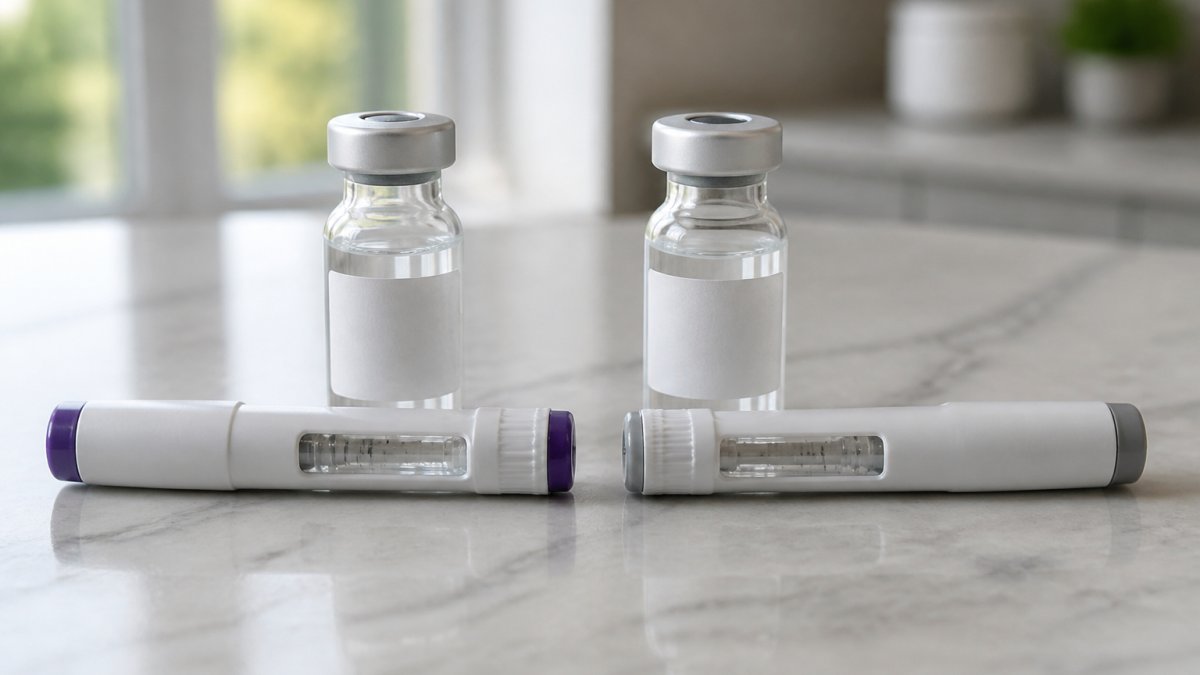
Table of Contents
- Semaglutide vs Tirzepatide for Weight Loss: Key Differences
- Tirzepatide vs Semaglutide Effectiveness: What the Trials Show
- Semaglutide vs Tirzepatide Side Effects and Tolerability
- Semaglutide Dosage Schedule for Weight Loss
- How Quickly Does Tirzepatide Work for Weight Loss?
- Cost, Insurance, and Access to Semaglutide and Tirzepatide
- Long-Term Outcomes and What Happens When You Stop
- Frequently Asked Questions
Last Updated: October 18, 2026
Semaglutide vs Tirzepatide for Weight Loss: Key Differences
The semaglutide vs tirzepatide for weight loss comparison comes down to one structural fact: semaglutide activates one gut hormone receptor, while tirzepatide activates two. That difference shapes everything else, from how much weight each medication tends to produce to how the side effects feel. Understanding this distinction is useful before choosing a treatment path.
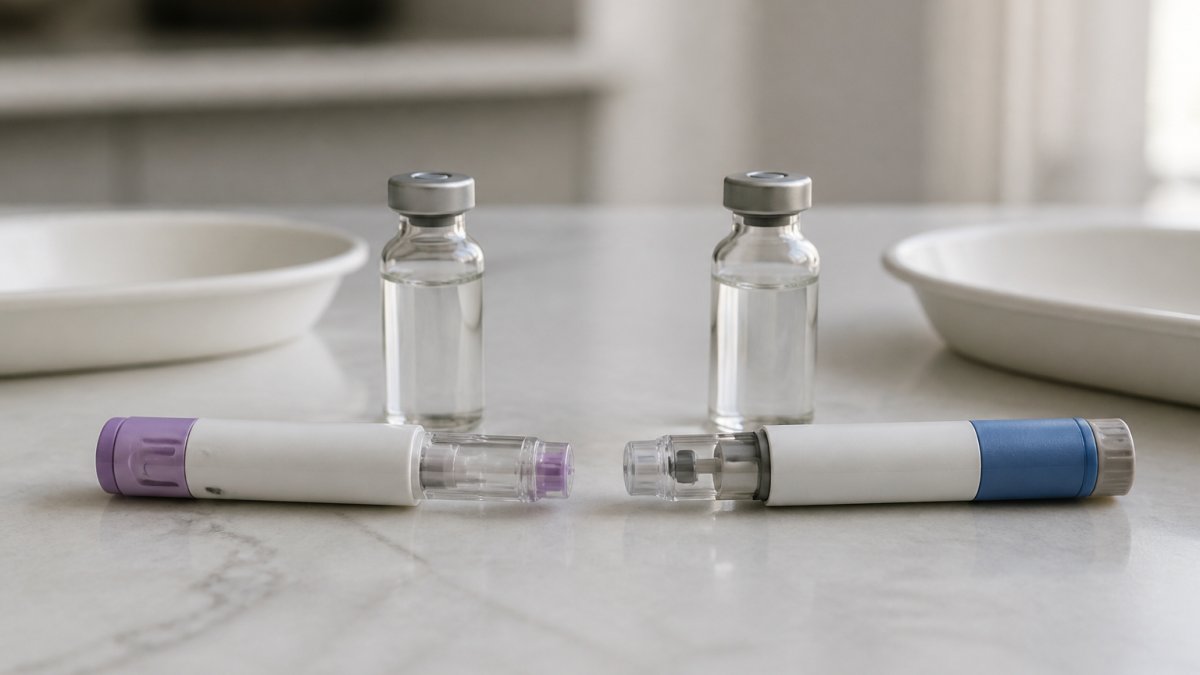
Semaglutide is a GLP-1 receptor agonist, a lab-made version of a hormone your gut releases after eating. Tirzepatide is a dual GIP/GLP-1 agonist, meaning it mimics two hormones instead of one.

How They Work: GLP-1 vs Dual GIP/GLP-1
Both drugs slow stomach emptying, reduce appetite, and increase satiety, so you feel full sooner and stay full longer. Tirzepatide adds GIP receptor activity on top of that, which appears to improve how the body handles insulin and blood glucose. In practice, patients on either medication eat less without white-knuckling it. The appetite signal simply gets quieter.
FDA-Approved Uses and Brand Names
Brand names trip people up constantly, so keep this straight: semaglutide is sold as Ozempic and Rybelsus for type 2 diabetes and as Wegovy for chronic weight management. Tirzepatide is sold as Mounjaro for diabetes and as Zepbound for weight management. The active ingredient determines the drug class; the brand name determines the approved indication.
| Active Ingredient | Diabetes Brand | Weight-Management Brand | Receptor Activity |
|---|---|---|---|
| Semaglutide | Ozempic, Rybelsus | Wegovy | GLP-1 only |
| Tirzepatide | Mounjaro | Zepbound | GIP + GLP-1 |
Tirzepatide vs Semaglutide Effectiveness: What the Trials Show
Tirzepatide has produced greater average weight reduction than semaglutide in head-to-head trial data, and the gap is meaningful rather than marginal. In the SURMOUNT-5 trial, tirzepatide outperformed semaglutide on percentage weight reduction over 72 weeks (pubmed.ncbi.nlm.nih.gov). The FDA-approved labeling for both drugs reports average body weight reductions in the range of roughly 15% for semaglutide and roughly 20% for tirzepatide across their pivotal trials, though individual results vary widely.
Here is the caveat most comparisons skip: those numbers come from separate trials with different baseline populations, and indirect comparison is not the same as a controlled head-to-head. A person’s starting body mass index, metabolic health, and adherence matter more than the label average.
Treating published trial averages as a personal forecast leads to disappointment. Plenty of patients lose more than the average on semaglutide and less than the average on tirzepatide. Dose escalation speed and consistency of use move the needle as much as the molecule does.
Semaglutide vs Tirzepatide Side Effects and Tolerability
Gastrointestinal symptoms dominate the side effect profile for both medications: nausea, vomiting, diarrhea, and constipation are the most commonly reported. Most patients find these ease after the first few weeks of each dose increase. Tirzepatide’s dual mechanism does not appear to add a new category of risk, but some patients report stronger appetite suppression and, with it, more early nausea.
A common mistake is racing up the dose schedule to speed results. Slower escalation almost always improves tolerability.
Ask about splitting a dose increase across two weeks if nausea hits hard. Staying at a lower dose for an extra cycle often gets you to the same place with far fewer rough days.
Semaglutide Dosage Schedule for Weight Loss
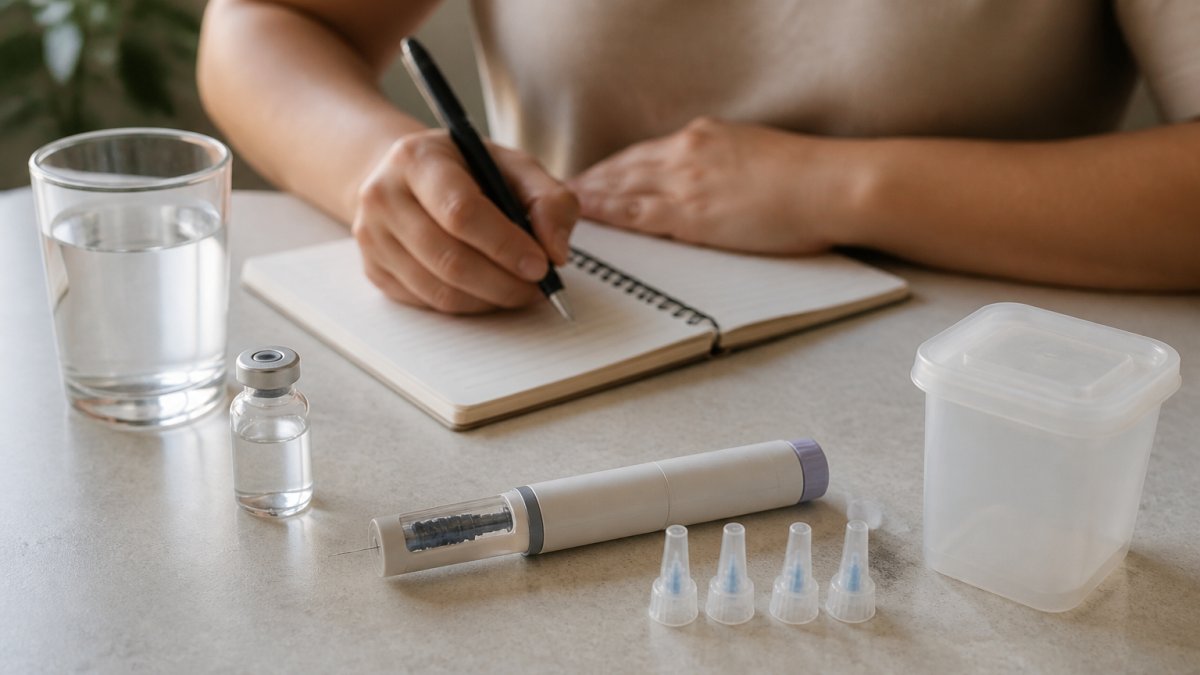
The semaglutide dosage schedule for weight loss starts at 0.25 mg weekly by subcutaneous injection for four weeks, then steps to 0.5 mg, 1 mg, 1.7 mg, and finally 2.4 mg, with four weeks at each step. The 0.25 mg starting dose is deliberately sub-therapeutic; its job is to let your gut adjust. Reaching the maintenance dose takes about 16 to 20 weeks, and some patients never need the top dose to see results.
Tirzepatide follows a similar pattern, beginning at 2.5 mg weekly and escalating through 5 mg, 7.5 mg, 10 mg, 12.5 mg, and 15 mg.
How Quickly Does Tirzepatide Work for Weight Loss?
Most patients notice reduced appetite within the first one to two weeks, with measurable weight change appearing by week four. Visible, sustained loss typically builds through the first three months as the dose escalates. How quickly tirzepatide works for weight loss depends heavily on starting dose tolerance and how consistently one sticks to the weekly injection schedule.
Cost, Insurance, and Access to Semaglutide and Tirzepatide
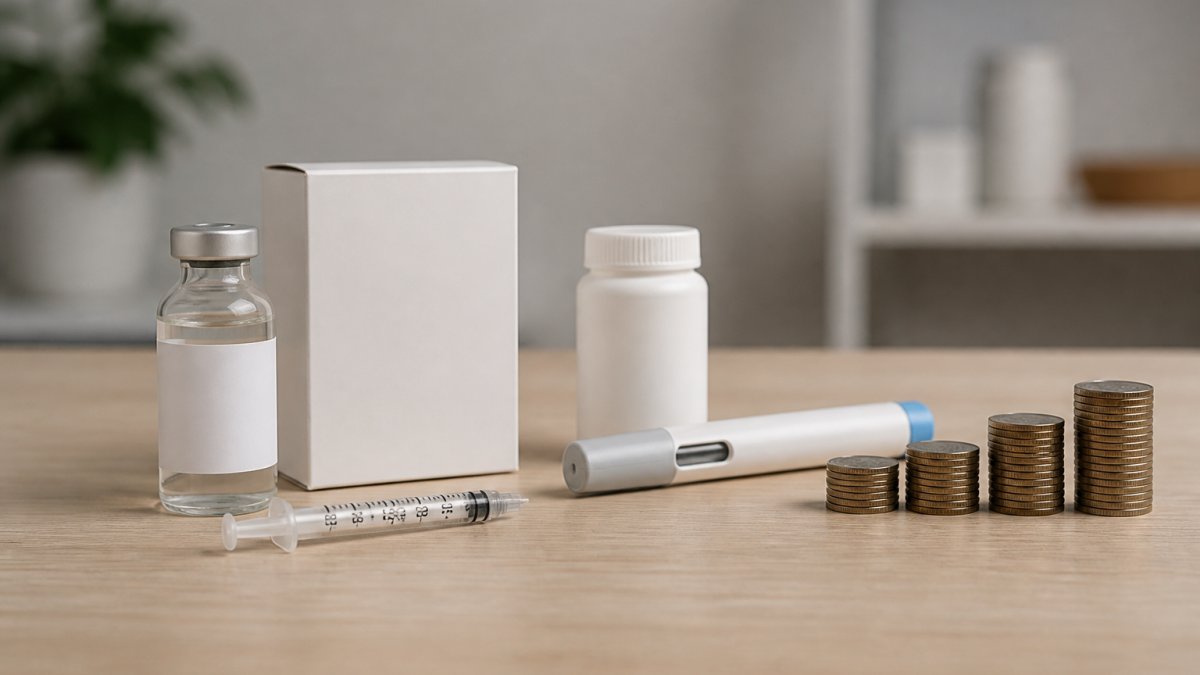
Cost is the question that most often decides which medication a patient actually starts, and it is the topic most comparison articles handle in a single vague paragraph. This section breaks it down into the four cost layers that matter: list price, insurance coverage, manufacturer savings programs, and the compounded/alternative route.
The four cost layers
1. List price (what the pharmacy charges before insurance). Brand-name GLP-1 medications for weight management carry list prices in the range of roughly $1,000 to $1,400 per month at U.S. retail pharmacies, depending on the drug, dose, and pharmacy.
2. Insurance coverage (what your plan actually pays). Coverage for chronic weight management is inconsistent across commercial plans, Medicare, and Medicaid.
3. Manufacturer savings and direct-to-consumer programs. Both brand families have offered savings cards, patient assistance programs, and (more recently) self-pay direct-to-consumer channels at prices below retail list.
4. Compounded and alternative formulations. When brand supply is tight or insurance will not cover a weight-management indication, licensed compounding pharmacies have offered compounded semaglutide and compounded tirzepatide, sometimes with added B12.
A practical total-cost framework
When comparing the two medications, compare total cost of treatment, not monthly sticker price:
- Dose escalation costs. Both drugs ramp through multiple dose strengths over the first 16-20 weeks. If your plan prices each strength differently, the first four months can cost more than the maintenance phase, or less, depending on the tier structure.
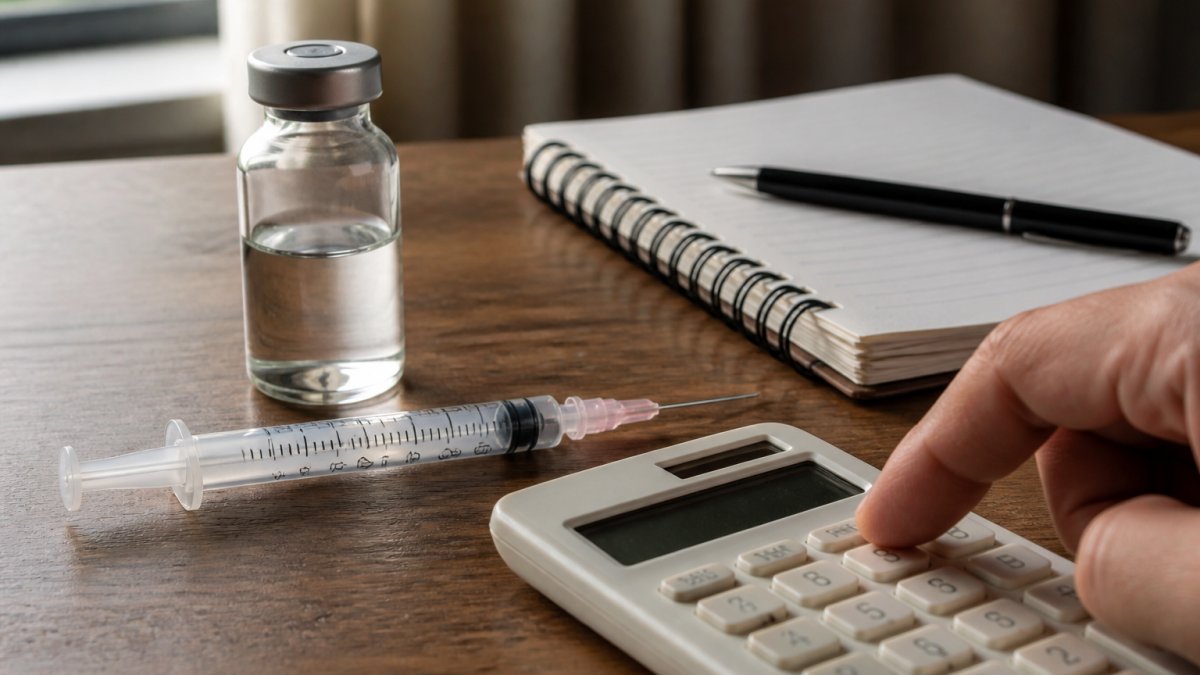
- Duration. Chronic weight management is typically a long-term treatment. A $200/month difference compounds to roughly $2,400 over a year; a $400/month difference is roughly $4,800. Run the math over 12 months, not one month.
- Ancillary costs. Office visits, labs, and any nutrition or behavioral support add to the total. Some clinics bundle these; some bill separately.
- Discontinuation costs. If you stop, weight regain is common (see the long-term outcomes section), which means the cost of a gap or a restart is part of the real budget.
Access and supply
Supply shortages have affected both brand families at various points, and availability can differ by dose strength and region. Patients who depend on a specific brand should ask their pharmacy about current stock before each fill and have a backup plan, a different dose strength, a different pharmacy, or a clinically appropriate alternative, discussed in advance with their prescriber.
Before choosing between semaglutide and tirzepatide, get four numbers in writing: your plan’s coverage decision (including prior-auth requirements), your out-of-pocket cost per fill at the maintenance dose, the total 12-month cost including visits and labs, and a documented backup plan if supply or coverage changes. The medication with the lower list price is not always the lower total cost.
Long-Term Outcomes and What Happens When You Stop
Most comparisons stop at the trial averages. The harder question, and the one patients ask six months in, is what happens after the medication stops. The honest answer has three parts: regain is common and expected, the evidence on maintenance strategies is still maturing, and the habits built during treatment determine how much of the loss survives.
What the evidence shows after discontinuation
In the extension phase of the STEP 1 trial, participants who stopped semaglutide and returned to lifestyle intervention alone regained roughly two-thirds of their lost weight within about a year, while the placebo group’s weight trended back toward baseline (pubmed.ncbi.nlm.nih.gov). Tirzepatide discontinuation data from the SURMOUNT-4 extension showed a similar pattern: participants who switched to placebo after an initial treatment period regained a substantial share of the weight lost, while those who continued treatment maintained it.
That does not mean regain is inevitable or that treatment was pointless. It means the decision to stop should be planned, not abrupt, and should include a maintenance strategy.
Why regain happens
Appetite regulation is not a willpower problem. GLP-1 and GIP signaling affects hunger, satiety, and gastric emptying; when the drug clears, those signals return toward baseline. At the same time, a lower body weight itself reduces energy expenditure, so the same intake that produced loss can produce gain at the new weight. Patients who lost weight on either medication often report hunger returning within weeks of the last dose.
Maintenance strategies that practitioners use
There is no single FDA-approved taper protocol for either drug, so maintenance is individualized. Common patterns include:
- Continued lower-dose maintenance. Some patients stay on a reduced maintenance dose indefinitely rather than stopping, which preserves appetite control at a lower cost and side-effect burden.
- Gradual taper rather than abrupt stop. Stepping down dose strength over weeks or months, rather than quitting at the maintenance dose, is a common clinical approach to soften the return of hunger and allow habits to stabilize.
- Structured nutrition and resistance training. Protein intake and resistance exercise during and after treatment help preserve lean mass, which matters because lean mass supports resting energy expenditure. Losing fat while protecting muscle makes maintenance easier; losing muscle makes it harder.
- Behavioral and clinical follow-up. Regular check-ins with a prescriber or dietitian during the transition catch rapid regain early, when it is easier to address.
Muscle preservation: the underdiscussed variable
Rapid weight loss from any cause, including GLP-1 and dual-agonist therapy, can include loss of lean mass alongside fat. The practical countermeasures are not exotic: adequate protein intake, resistance training two or more times per week, and monitoring body composition rather than scale weight alone where available. Patients who focus only on the scale can hit a goal weight while losing more muscle than they intended, which can make long-term maintenance harder.
What the evidence does not show
- It does not show that either medication permanently resets appetite or body-weight set point after stopping.
- It does not show that one drug is superior for maintenance after discontinuation, the discontinuation data are separate from the head-to-head efficacy data, and direct comparisons are limited.
- It does not show that a specific taper schedule is optimal; protocols vary by clinician and patient.
Do not stop either medication abruptly without a plan. Discuss discontinuation with your prescriber in advance, including a taper approach if appropriate, a nutrition and exercise plan, and a follow-up schedule to catch regain early.
The strongest predictor of long-term success is not which molecule you chose, it is whether you built nutrition, resistance-training, and follow-up habits during treatment and whether you have a documented maintenance plan for the transition off the medication.
Frequently Asked Questions
Which is more effective for weight loss, semaglutide or tirzepatide?
In clinical trials, tirzepatide has shown greater average weight loss than semaglutide. For example, in a 72-week study, tirzepatide 15 mg led to about 20.9% body weight reduction, while semaglutide 2.4 mg resulted in roughly 14.9% in a separate trial. However, these are indirect comparisons, and individual results vary. Your doctor can help you choose based on your health profile and goals.
What are the common side effects of semaglutide and tirzepatide?
Both medications commonly cause gastrointestinal symptoms such as nausea, vomiting, diarrhea, and constipation. These often lessen over time as your body adjusts. Tirzepatide may have a slightly different side effect profile due to its dual action, but overall tolerability is similar. Serious risks include pancreatitis and gallbladder issues, so report severe abdominal pain to your doctor promptly.
How quickly does tirzepatide work for weight loss?
Weight loss often begins within the first 4 to 8 weeks of tirzepatide treatment, especially as the dose is increased. However, the full effect builds over months. Clinical trials show significant reductions by 72 weeks. The rate of loss depends on starting weight, diet, activity level, and how well the medication is tolerated.
Can you switch from semaglutide to tirzepatide?
Yes, some patients switch from semaglutide to tirzepatide under medical supervision. Your doctor will typically adjust the starting dose to minimize side effects and monitor your response. Never switch without professional guidance, as dosing and titration schedules differ. A consultation can help determine if switching is appropriate for you.
Choosing between these medications is a clinical decision, not a shopping decision, and it deserves a physician who knows your history. MedShape Weight Loss Clinics offers board-certified physicians, customized treatment plans, and telemedicine access nationwide, with compounded semaglutide and tirzepatide options designed to be more affordable than name brands. Get started with MedShape Weight Loss Clinics and build a plan that fits your health, your schedule, and your budget.