Skip to content


Last Updated: November 3, 2026
Quick Summary
KPV peptide is a synthetic tripeptide of lysine, proline, and valine, and a fragment of alpha-MSH studied for anti-inflammatory and tissue-repair potential. Its benefits are documented mostly in laboratory and animal models, not controlled human trials, and it remains investigational in the United States with no established human dosage.
- A 2007 study by Dalmasso and colleagues linked KPV’s anti-inflammatory effect to PepT1 uptake in intestinal cells.
- A 2026 review described KPV as having a strong signal in the lab but thin data in people.
- No standardized human protocol or approved dose exists for KPV in any indication.
- Oral capsules face poor peptide bioavailability, while injectable and intranasal forms require a prescription.
- No long-term human safety data exists, and draft HHS compounding policies were under discussion throughout 2026.
Table of Contents
- What Is KPV Peptide and Where Does It Come From?
- KPV Peptide Benefits: What the Research Actually Shows
- How KPV Works: PepT1 Uptake and Cytokine Modulation
- KPV Peptide Dosage: What Is Known and What Is Not
- KPV Capsules vs. Injectable and Intranasal Forms
- KPV Peptide Side Effects and Safety Considerations
- KPV Peptide vs. BPC-157: How They Differ
- Is KPV Right for You? Talking to a Clinician First
- Frequently Asked Questions
What Is KPV Peptide and Where Does It Come From?
KPV peptide is a synthetic tripeptide of three amino acids: lysine, proline, and valine. It is a fragment of alpha-MSH, a hormone that helps regulate inflammation and pigmentation. Researchers study KPV for anti-inflammatory and tissue-repair potential, but it remains investigational in the United States.
The name comes directly from the amino acid sequence, which makes KPV easy to identify in a lab and easy to confuse with something proven.
Lys-Pro-Val: The Tripeptide Behind the Name
The letters stand for lysine (K), proline (P), and valine (V). That sequence is the whole molecule. Unlike larger peptides, KPV has no complex folding or delivery system built in, which is why researchers focus on how the body absorbs such a small fragment at all.
A 2007 study by G. Dalmasso and colleagues examined whether KPV’s anti-inflammatory effect depended on PepT1, a transporter protein in intestinal cells (PepT1-mediated tripeptide KPV uptake study).
KPV Peptide Benefits: What the Research Actually Shows
The honest answer is that KPV peptide benefits are documented mostly in laboratory and animal models, not in controlled human trials. A 2026 review of the evidence described KPV as having a “strong signal in the lab” but “thin data in people” (KPV research overview).

Preclinical work points toward three areas: gut inflammation, skin healing, and immune signaling. None has been confirmed in large human studies.
Gut Health, Barrier Integrity, and the Microbiome
Much of the KPV research centers on intestinal permeability, often called leaky gut.
These are mouse and cell-culture findings, not a treatment protocol. Anyone with a diagnosed digestive condition should discuss any peptide use with a qualified clinician before making decisions.
Skin, Wound Healing, and Immune Homeostasis
KPV’s link to alpha-MSH explains the dermatology interest. Alpha-MSH influences melanocortin receptor signaling, which plays a role in skin inflammation and pigmentation. Readers curious about regenerative skin peptides can explore GHK-Cu peptide, a physician-supervised alternative to Botox offered via clinic or telehealth.
The immune angle is more nuanced. Researchers describe KPV as potentially modulating mast cell stabilization and autoimmune response pathways, but the clinical research is preliminary.
How KPV Works: PepT1 Uptake and Cytokine Modulation
KPV’s proposed mechanism is still under investigation, and its absorption characteristics are not well established in humans.
Cytokine modulation is the key phrase. KPV appears to reduce certain inflammatory signals rather than suppress the immune system broadly, suggesting a narrower effect than steroids, though no human trial has confirmed it.
Bioavailability and pharmacokinetics remain open questions: how much KPV survives digestion, how long it stays active, and what dose reaches target tissue. That is the central caveat.
KPV Peptide Dosage: What Is Known and What Is Not
There is no established KPV peptide dosage. No standardized human protocol exists, and no regulatory body has approved a dose for any indication. Any specific number you see online comes from animal studies, anecdotal reports, or a seller’s suggestion, not clinical guidance. The useful exercise is understanding why the numbers vary so widely.
Why Every Published Number Is an Estimate
Preclinical KPV work is typically reported in micrograms per kilogram or in milligrams per kilogram of body weight in mice, often delivered by intraperitoneal injection or added directly to cell culture.
Researchers measure outcomes in inflammatory biomarkers, microbial counts, and wound size in experimental settings, not in patients (KPV peptide clinical overview). That means even the animal numbers are tied to endpoints a human user cannot self-measure.
Route Changes the Math
Dosage cannot be discussed separately from the delivery route, because absorption differs sharply by form.
- Oral capsules: Peptides generally have poor oral bioavailability, and KPV’s reliance on PepT1 uptake does not guarantee meaningful absorption. A capsule dose that looks large on a label may deliver very little intact peptide to target tissue.
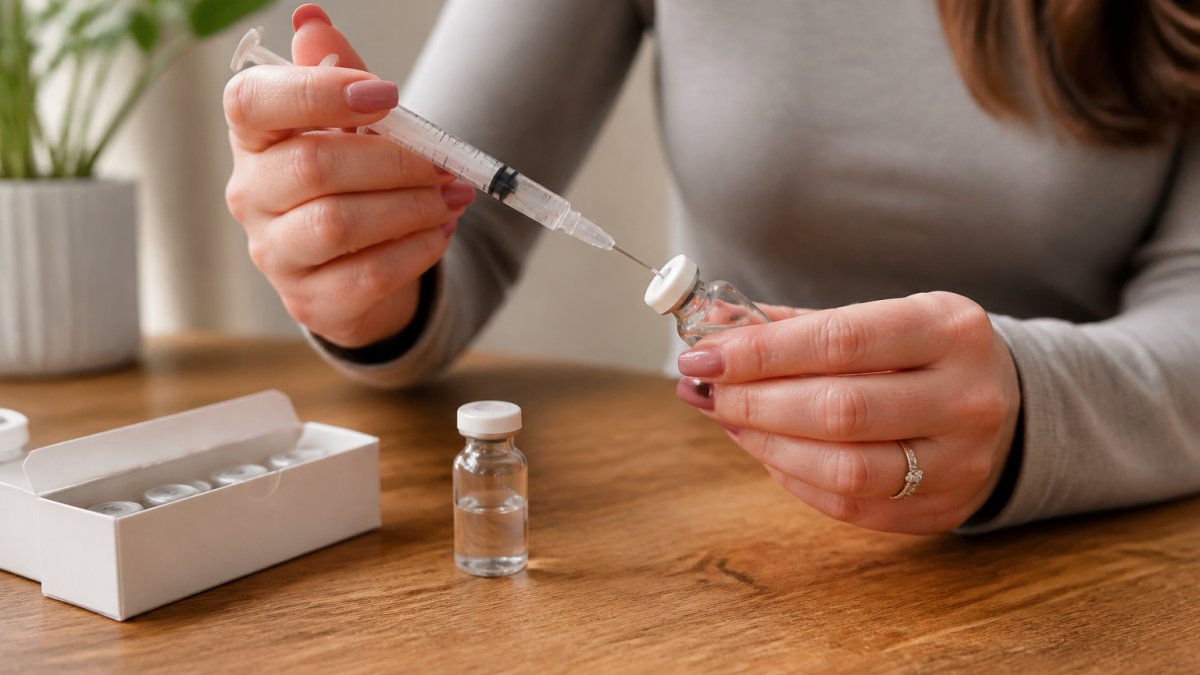
- Subcutaneous injection: Bypasses digestion and delivers the peptide more directly, which is why injectable protocols in research settings are measured in much smaller absolute amounts than oral supplement labels suggest. Injection also requires a prescription, sterile handling, and clinical oversight.
- Intranasal spray: Sits between the two, offering a non-injectable route with potentially better absorption than oral, though the evidence is thin for all three.
Condition-Specific Framing (and Why It Is Still Speculative)
A more honest approach is to separate the conditions researchers actually study, because the proposed target tissue differs and so would any future protocol.
- Gut inflammation and barrier integrity: The PepT1 mechanism is intestinal, so oral delivery is the route most studied preclinically. Any human protocol would likely be judged on markers such as calprotectin or CRP rather than symptom reports alone.
- Skin inflammation and wound healing: Dermatological interest centers on local melanocortin signaling, which is why topical and intranasal routes appear in discussion more often than capsules for this use.
- Systemic immune signaling: The least defined area, and the one where route and dose are most speculative.
These are research directions, not dosing instructions. No condition-specific human dose range has been validated, and presenting one as settled would be misleading.
How to Read a Dose Claim
If a clinician mentions a dose, ask what evidence it rests on and whether it comes from a compounding protocol or a published trial. A compounding protocol reflects a pharmacy’s preparation standard, not proof of efficacy.
Watch out: a dose copied from a forum or a seller’s FAQ often traces back to a single anecdotal report repeated until it looked like consensus.
KPV Capsules vs. Injectable and Intranasal Forms
KPV capsules are the most consumer-friendly option and the one most often sold online: no needles, easy travel, simple routine.
Injectable forms, typically subcutaneous, bypass digestion and deliver the peptide more directly, but require a prescription, sterile handling, and clinical oversight.
| Form | Administration | Prescription Needed | Key Consideration |
|---|---|---|---|
| Capsules | Oral | Not for supplements | Poor peptide bioavailability |
| Subcutaneous | Injection | Yes | Direct delivery, clinical oversight |
| Intranasal | Spray | Yes | Middle route, limited data |
Watch out: buying capsules from an unregulated seller means you have no guarantee of purity, potency, or even that the product contains KPV.
KPV Peptide Side Effects and Safety Considerations
Reported side effects of KPV peptide in available sources are not well characterized in humans. That said, “mild in anecdotes” is not the same as “established safety profile.” No long-term safety data exists in humans, and the sections below explain what that gap actually means for someone weighing the risk.
What Is Actually Reported
The side-effect picture comes from three uneven sources: preclinical toxicology in animals, scattered human anecdotes, and the general behavior of small peptides as a class.
Early users of unproven peptides often report few problems partly because the population is small, self-selected, and not tracked. Absence of reported harm is not the same as demonstrated safety.
Long-Term Safety: The Data That Does Not Exist
This is the gap most guides skip. There are no longitudinal human studies of KPV, which means several basic questions remain unanswered:
- What happens with continuous use over months or years?
- Are there cumulative effects on immune signaling, given that KPV is studied for cytokine modulation?
- Does repeated exposure produce antibodies against the peptide, a known concern with biologic-style molecules?
None of these have been answered in humans. For a molecule marketed as gentle and natural, that is the central safety caveat, not a footnote.
Drug-Peptide Interactions: The Understudied Risk
Most KPV guides ignore how the peptide might interact with common medications. Because KPV is studied as a modulator of pro-inflammatory cytokine signaling, the theoretical interaction surface is wider than it looks.
- Immunosuppressants and biologics: If a medication already dampens immune signaling, adding a peptide with proposed cytokine effects raises the question of additive or unpredictable interaction. No human data addresses this.
- NSAIDs and corticosteroids: These act on inflammation through different pathways, but overlapping effects on the same inflammatory endpoints make combined use an unknown.
- Gastrointestinal medications: Because KPV’s proposed uptake depends on PepT1 in the gut, drugs that alter gut transit or transporter activity could theoretically change absorption.
Tell your prescribing physician about every supplement you take, including peptides bought online. A clinician cannot assess interaction risk they do not know about.
Regulatory Status Adds Its Own Uncertainty
The regulatory picture compounds the clinical one. Throughout 2026, draft policies from the U.S. Department of Health and Human Services regarding compounding of oral and topical KPV were under discussion, and industry guidance shifted after the July 2026 Pharmacy Compounding Advisory Committee proceedings (KPV regulatory status discussion). Regulatory status can change, and what is available today may not be tomorrow.
A Practical Safety Checklist
Before starting KPV in any form, confirm four things: the product’s source and testing, the prescriber’s rationale, a monitoring plan for side effects, and a full medication review. If any is missing, the risk is being carried without the information needed to manage it. The long-term questions around KPV are exactly the ones a supervised clinical relationship is designed to catch.
KPV Peptide vs. BPC-157: How They Differ
KPV and BPC-157 are both studied peptides with regenerative reputations, but they are not interchangeable. While these peptides offer targeted molecular intervention, broader metabolic shifts such as fasting and inflammation regulation also play a critical role in modulating the body’s baseline immune response.
KPV’s strength in the literature is cytokine modulation and barrier integrity. Readers comparing clinic peptides with metabolic benefits may want details on tesamorelin for belly fat and body composition. BPC-157’s is connective tissue and wound repair in animal models.
Is KPV Right for You? Talking to a Clinician First
KPV is not right for anyone looking for a proven treatment, because it is not proven.
Three questions to ask before starting any peptide:
- Is this prescribed and dispensed by a licensed professional?
- What human evidence supports this specific dose and form?
- Who monitors me for side effects and interactions?
A common mistake is skipping the third question. Before booking, readers can explore the clinic’s weight loss blog for peptide and wellness content.
Chronic inflammation and stubborn weight gain rarely have a single fix, and unproven peptides are not the shortcut they are marketed as.
Frequently Asked Questions
Is KPV peptide approved for medical use?
No. KPV peptide is not an FDA-approved drug, and no completed human trials establish it as a treatment for any condition. Research remains largely preclinical. Regulatory status around compounding is subject to change, so check current guidance from the U.S. Food and Drug Administration. That is not the same as approval. Anyone considering KPV peptide should confirm current regulatory status and speak with a licensed clinician before use.
What are the side effects of KPV peptide?
Human safety data for KPV peptide is limited, so a complete side effect profile is not established. Human safety data for KPV peptide is limited, and anyone with an autoimmune condition should discuss any use with a qualified clinician. Because KPV peptide side effects are not well characterized, report any reaction to a clinician rather than self-adjusting your protocol.
What is the difference between KPV peptide and BPC-157?
Both are short peptides discussed in regenerative medicine circles, but they are different molecules with different research histories. KPV is a tripeptide with the sequence Lys-Pro-Val, derived from alpha-MSH, and studied mainly for anti-inflammatory effects. BPC-157 is a larger pentadecapeptide studied largely for tissue repair in animal models. Neither is FDA-approved, and head-to-head human trials do not exist. Claims that one is stronger or safer than the other are not supported by clinical research.
How long does KPV peptide take to work?
There is no reliable timeline. No standardized clinical outcome data exists for KPV peptide, and the only measurable endpoints cited in research settings are inflammatory biomarkers, microbial counts, and wound size measurements in laboratory or animal experiments. Anecdotal reports from users are not the same as clinical evidence and vary widely. If you start KPV peptide under medical supervision, your clinician should set realistic expectations and track objective markers rather than relying on how you feel in the first few weeks.