Skip to content


Last Updated: October 31, 2026
Quick Summary
Semaglutide approved for weight loss is available in the US only as Wegovy, which the FDA approved for chronic weight management in 2021. Ozempic contains the same drug but is approved for type 2 diabetes, and compounded semaglutide is not FDA-approved for anything.
- The FDA approved a 7.2 mg dose of Wegovy injection for weight loss.
- Using Ozempic for weight loss without diabetes is legal off-label prescribing.
- The FDA has warned about fraudulent compounded semaglutide sold with false product-label information.
- Real-world semaglutide weight loss is typically 4% to 12% at 6 to 12 months.
- Approved treatment starts low and escalates gradually following the labeled schedule.
Table of Contents
- Is Semaglutide Approved for Weight Loss?
- Wegovy FDA Approval for Weight Loss: What the Label Covers
- Ozempic vs. Wegovy for Weight Loss: Same Drug, Different Approval
- Compounded Semaglutide Safety: What You Need to Know
- Semaglutide Side Effects and How to Manage Them
- Who Qualifies for Semaglutide Weight Loss Treatment?
- How to Start Semaglutide Treatment with MedShape Weight Loss Clinics
- Frequently Asked Questions
Is Semaglutide Approved for Weight Loss?
Yes. Semaglutide is approved for weight loss in the United States, but only under specific brand names and only for eligible adults. This guide from MedShape Weight Loss Clinics breaks down exactly which products carry that approval, who qualifies, and where unapproved versions fit in.
The FDA approved Wegovy (semaglutide) for weight loss in 2021, according to GoodRx’s coverage of the approval. That single fact gets repeated everywhere. What gets lost is the fine print: approval belongs to a specific product, a specific dose, and a specific patient profile.

Here is the short version:
- Wegovy is the FDA-approved semaglutide injection for chronic weight management.
- Ozempic is the same drug, approved for type 2 diabetes, not weight loss.
- Compounded semaglutide is not FDA-approved for anything.
That distinction drives everything else: cost, insurance, safety, and what your prescription actually says.
Wegovy FDA Approval for Weight Loss: What the Label Covers
Wegovy holds the approval, and the label keeps expanding. The FDA approved a 7.2 mg dose of Wegovy injection for weight loss, per the FDA’s approval announcement. Higher doses give prescribers more room to adjust treatment when lower doses stall.
The label covers adults with obesity or excess weight plus at least one weight-related condition. It also covers a once-weekly injection schedule with gradual dose escalation.
What the label does not cover matters just as much:
- It does not approve semaglutide for cosmetic weight loss in people at a healthy BMI.
- It does not approve any compounded version.
- It does not promise a fixed number of pounds.
Effectiveness data is real, though. In a Nature Medicine study of semaglutide for obesity, 44.2% of participants lost at least 10% of body weight at two years, against 21.3% and 6.9% in comparison groups. That is the benchmark approved treatment is measured against.
Ozempic vs. Wegovy for Weight Loss: Same Drug, Different Approval
Ozempic and Wegovy contain the same active ingredient, semaglutide. They are not interchangeable on paper. Ozempic is approved for type 2 diabetes. Wegovy is approved for chronic weight management.
People do lose weight on Ozempic. That does not make it a weight-loss drug in the regulatory sense. Using it for weight loss in someone without diabetes is off-label prescribing, which is legal and common but sits outside the approved indication.
The practical differences:
- Dose ceilings: the two products titrate to different maximum doses.
- Insurance: plans often cover Ozempic for diabetes and deny it for weight loss.
- Labeling: only Wegovy carries the weight-management indication.
If you are weighing the two, our comparison of semaglutide vs tirzepatide covers how the active ingredients differ and what that means for results.
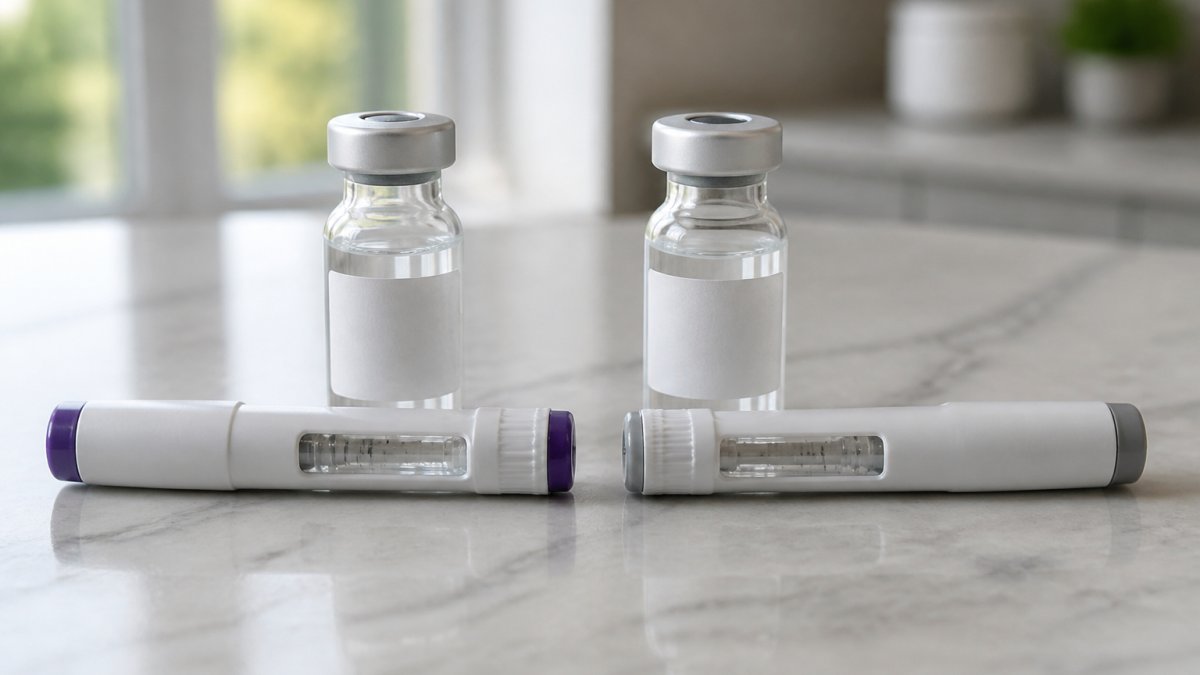
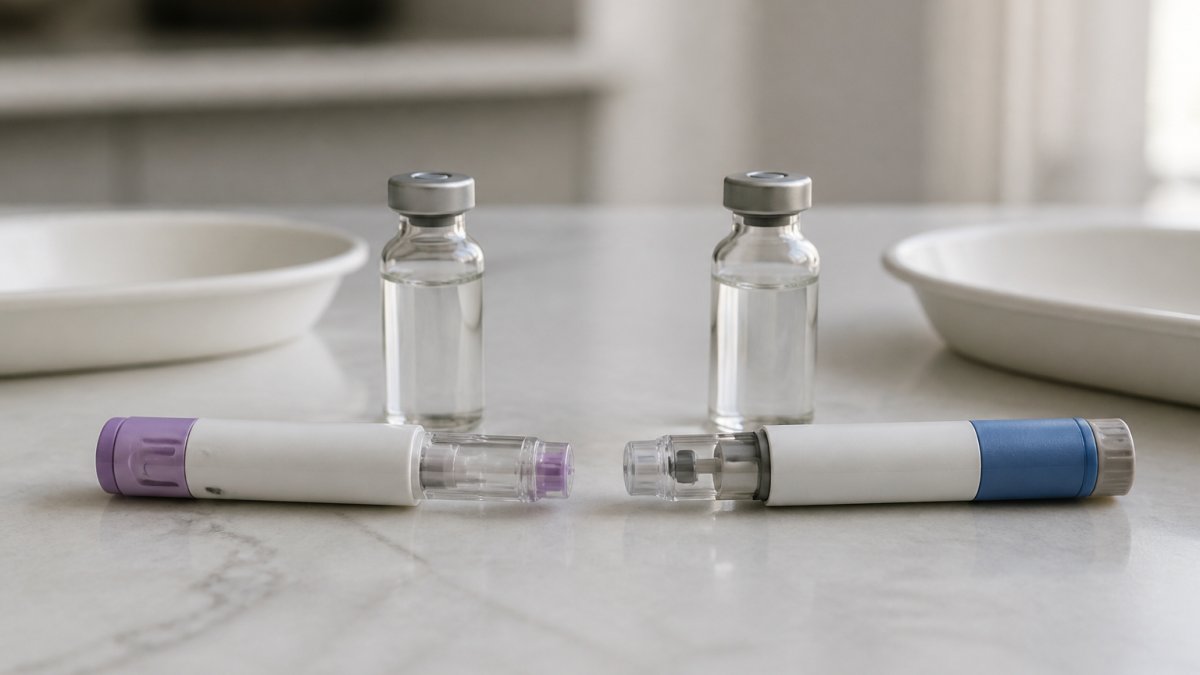
The two products share an active ingredient but differ in approval, dosing, and coverage.
| Fact | Wegovy | Ozempic |
|---|---|---|
| Active ingredient | Semaglutide | Semaglutide |
| FDA-approved indication | Chronic weight management | Type 2 diabetes |
| Weight-loss use | Approved indication | Off-label without diabetes |
| Dose ceilings | Titrates to its own maximum dose | Titrates to a different maximum dose |
| Insurance | Plans may cover for weight loss | Often covered for diabetes, denied for weight loss |
| Labeling | Carries weight-management indication | Does not carry weight-management indication |
Compounded Semaglutide Safety: What You Need to Know
Compounded semaglutide is not FDA-approved.
The FDA has warned about fraudulent compounded semaglutide and tirzepatide sold with false product-label information, per its statement on unapproved GLP-1 drugs. Approval of Wegovy says nothing about the vial in a telehealth box.
Real-world results also vary more than trial data suggests. A report on real-world evidence describes semaglutide-associated weight loss as highly heterogeneous, typically 4% to 12% at 6 to 12 months, per Applied Clinical Trials.
None of that means compounded treatment is automatically unsafe. It means the source, the pharmacy, and the oversight matter more, not less. For a deeper look, read is compounded semaglutide safe.
Semaglutide Side Effects and How to Manage Them
Most side effects are digestive and dose-related. Nausea, vomiting, diarrhea, constipation, and reduced appetite top the list. They usually ease as the body adjusts, and they hit hardest in the days right after a dose increase. That pattern is the most useful thing to know: if symptoms spike, look at the calendar before assuming something is wrong.
What helps in practice:
- Eat smaller meals and stop before you feel full.
- Keep dose escalation slow rather than rushing to a higher dose.
- Prioritize protein and fluids when appetite drops.
- Report severe or persistent symptoms to your prescriber instead of pushing through.
- Avoid heavy, high-fat meals on dose-increase days if nausea has been an issue.
Seek medical care rather than waiting it out for: severe abdominal pain that radiates to the back (a possible sign of pancreatitis), persistent vomiting that prevents you from keeping fluids down, signs of dehydration, or vision changes. These are uncommon but serious, and they are the reason clinician supervision matters.
Tolerability varies by formulation and dose, and averages hide that. Trial results are population averages, not promises, some people stop treatment because of side effects, and others have almost none. Real-world reports describe semaglutide-associated weight loss as highly heterogeneous, typically 4% to 12% at 6 to 12 months, per Applied Clinical Trials. The same variability applies to how well people tolerate the drug.
A practical triage rule most practitioners use:
- Mild and improving: manage at home with the tips above and mention it at your next visit.
- Moderate or persistent: contact your prescriber about slowing titration or holding a dose.
- Severe or sudden: stop and seek care.
Our guide to managing semaglutide side effects walks through each symptom and what to do about it.
Who Qualifies for Semaglutide Weight Loss Treatment?
Eligibility for approved semaglutide comes down to body mass index and health history. Eligibility for approved semaglutide depends on the product’s label, and your clinician can confirm whether you meet the criteria.
Two quick examples:
That is where off-label use and compounded products enter the picture, and where a real medical evaluation matters.
If semaglutide is not the right fit, our list of FDA-approved alternatives covers other options worth discussing with a clinician.
How to Start Semaglutide Treatment with MedShape Weight Loss Clinics
Starting treatment should follow a clear clinical sequence, not a checkout page. The step-by-step journey below is the angle most approval-status pages skip: they explain whether semaglutide is approved, then stop before explaining what actually happens after a prescription is written.
The general clinical path for starting semaglutide treatment typically looks like this:
- Intake and history review. A licensed clinician takes your medical history, current medications, and prior weight-loss attempts. Bring a list of everything you take, including supplements, some medications and a history of certain thyroid or pancreatic conditions affect whether semaglutide is appropriate.
- Eligibility assessment. The clinician confirms whether you meet the approved criteria (BMI of 30 or higher, or BMI of 27 or higher with at least one weight-related condition) and screens for reasons to avoid the drug. This is also where off-label and compounded options get discussed honestly rather than sold as equivalent.
- Prescription and dose plan. Approved treatment starts low and escalates gradually. Approved treatment generally starts low and escalates gradually, following the product’s labeled schedule.
- Ongoing monitoring. Follow-up visits track tolerability, weight trend, and any new symptoms. Expect check-ins after dose changes and periodic labs or blood-pressure checks as your clinician directs. Progress is judged over months, not weeks.
- Lifestyle support. Diet and activity do the heavy lifting alongside medication. Protein intake, resistance training, and sleep matter more once appetite drops, because rapid weight loss can cost lean mass as well as fat.
Ask your clinician up front what the follow-up schedule looks like and who you contact between visits. A treatment plan without a monitoring plan is just a prescription.
MedShape Weight Loss Clinics specializes in compounded tirzepatide and semaglutide, with telemedicine services available in all 50 states. Whatever the platform, the clinical sequence above still applies, and a provider that skips screening or monitoring is a red flag.
Ready to see whether treatment fits your situation? Compare telehealth providers and start care.
Frequently Asked Questions
Which semaglutide brands are FDA-approved for weight loss?
Wegovy (semaglutide injection) received FDA approval for chronic weight management in 2021. Ozempic and Rybelsus are approved for type 2 diabetes, not weight loss. If you are considering semaglutide approved for weight management, ask your prescriber to confirm the product’s indication.
Is Ozempic FDA-approved for weight loss?
No. Ozempic is FDA-approved for type 2 diabetes. It is not approved for weight loss, though some clinicians prescribe it off-label. Wegovy contains the same active ingredient but is approved specifically for chronic weight management. The Ozempic vs. Wegovy for weight loss distinction matters for insurance coverage and dosing.
Is compounded semaglutide FDA-approved?
No. Compounded semaglutide is not FDA-approved. The FDA has warned about fraudulent compounded semaglutide and tirzepatide marketed with false label information. Compounded products are not reviewed by the FDA for safety, effectiveness, or quality. If you use compounded semaglutide, do so only under medical supervision with a licensed pharmacy and discuss the risks with your provider.
Can semaglutide be prescribed off-label for weight loss?
Yes, clinicians can prescribe FDA-approved medications off-label for weight loss, including Ozempic. However, off-label use means the prescription is not FDA-approved for that purpose, and insurance may not cover it. Wegovy is the FDA-approved semaglutide product for weight loss, so it is the standard choice when the goal is weight management.
Semaglutide is approved for weight loss, but only through specific products, doses, and patient criteria. The gap between “approved” and “available to you” is where most people get stuck. MedShape Weight Loss Clinics closes that gap with physician-supervised programs, customized dosing, and telemedicine access nationwide. Get started with MedShape Weight Loss Clinics and find out what a medically supervised plan looks like for you.