Skip to content


Last Updated: October 25, 2026
Quick Summary
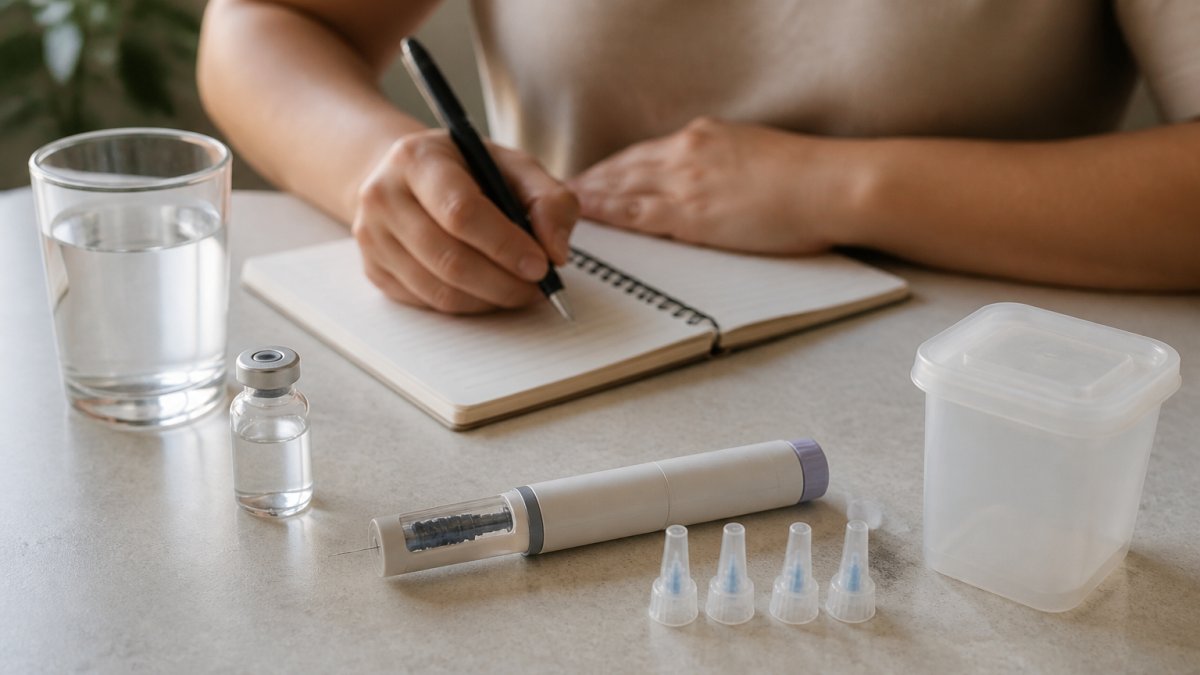
Semaglutide alternatives for PCOS include tirzepatide, liraglutide, metformin, inositol supplementation, and spironolactone, each addressing different aspects of insulin resistance and androgen-driven symptoms. The best choice depends on your primary goal, whether weight loss, fertility, cycle regularity, or symptom control, and why semaglutide is not an option for you.
- Tirzepatide targets both GLP-1 and GIP receptors, producing stronger weight loss and insulin sensitivity improvements than semaglutide in some women.
- Metformin has the strongest and longest-standing PCOS-specific evidence base, with proven benefits for insulin sensitivity, cycle regularity, and fertility planning.
- Liraglutide, another GLP-1 option, requires daily injections but emerging research suggests it may improve ovulation rates more reliably than semaglutide.
- Inositol supplementation (myo-inositol and D-chiro-inositol in a 40:1 ratio) improves insulin sensitivity and can restore ovulation with minimal side effects.
- A low-glycemic diet, resistance training three times weekly, and 7-9 hours of sleep nightly improve PCOS markers and often restore menstrual regularity without medication.
Table of Contents
- Why Women With PCOS Are Looking Beyond Semaglutide
- How GLP-1 Medications Work for PCOS and Insulin Resistance
- Tirzepatide for PCOS: A Dual-Action Alternative
- Other GLP-1 Options: Liraglutide and Exenatide
- Metformin for PCOS Weight Loss: The Established Standard
- PCOS Weight Management Options Beyond Medication
- Lifestyle Changes for PCOS Weight Management
- Choosing Your PCOS Treatment Path With Medical Guidance
- Frequently Asked Questions
Why Women With PCOS Are Looking Beyond Semaglutide
Prescribing of semaglutide and tirzepatide among women with PCOS has skyrocketed. [Truveta’s 2025 analysis of GLP-1 prescribing trends](https://www.truveta.com/blog/research/glp-1-prescription-trends-january-2019-march-2026/) found that use rose from 2.4% in 2021 to 17.6% in 2025, a more than sevenfold increase.
This guide from MedShape Weight Loss Clinics breaks down the most effective semaglutide alternatives for PCOS, from other GLP-1 receptor agonists to established medications and lifestyle interventions.
PCOS treatment isn’t one-size-fits-all. What works depends on your insulin resistance profile, weight-loss goals, medication tolerance, and fertility plans.
How GLP-1 Medications Work for PCOS and Insulin Resistance
GLP-1 receptor agonists mimic a hormone your body naturally produces, slowing stomach emptying, reducing appetite signals, and, critically for PCOS, improving how your cells respond to insulin.
Insulin resistance sits at the root of most PCOS symptoms.
For women with PCOS and obesity, weight loss itself improves insulin sensitivity; even a 5% reduction can restore menstrual regularity and improve fertility markers.
The catch: GLP-1 medications are not PCOS-specific treatments.
Tirzepatide for PCOS: A Dual-Action Alternative
Tirzepatide targets both GLP-1 and GIP receptors, a dual mechanism that produces stronger metabolic effects than semaglutide’s GLP-1-only action.
The practical difference: tirzepatide users often report greater weight loss and more stable blood sugar control than semaglutide users at comparable doses. See a detailed clinical comparison of tirzepatide versus semaglutide to understand the differences between these alternatives. Clinical evidence on dual GLP-1/GIP agonists shows that this dual action enhances insulin secretion and improves glucose homeostasis more effectively than single-receptor activation alone.
For PCOS, the stronger insulin-sensitizing effect can be a game-changer: women who didn’t see cycle improvements or adequate weight loss on semaglutide often respond better to tirzepatide.
At MedShape Weight Loss Clinics, we offer compounded tirzepatide formulations, including our signature blend with B12. Compounded tirzepatide is also a cost-effective alternative to name-brand Mounjaro.
| Medication | Receptor Target | Primary PCOS Benefit | Common Side Effects |
|---|---|---|---|
| Semaglutide | GLP-1 only | Appetite reduction, weight loss | Nausea, constipation |
| Tirzepatide | GLP-1 + GIP | Stronger insulin sensitivity, weight loss | Nausea, GI upset (more pronounced) |
| Liraglutide | GLP-1 only | Weight loss, potential ovulation improvement | Nausea, injection-site reactions |
| Metformin | Non-GLP-1 | Insulin sensitivity, metabolic support | GI upset, vitamin B12 depletion |
Other GLP-1 Options: Liraglutide and Exenatide
Liraglutide was one of the first GLP-1 medications studied in PCOS. It reduces appetite and improves insulin sensitivity but has a shorter half-life, requiring daily rather than weekly injections. Emerging research suggests it may improve ovulation rates more reliably than semaglutide, which matters if fertility is a goal.
Exenatide is another GLP-1 agonist with a longer history in diabetes treatment, less commonly prescribed for PCOS because it requires twice-daily injections and produces less dramatic weight loss.
Metformin for PCOS Weight Loss: The Established Standard
Metformin has been the first-line medication for PCOS for decades and has the deepest PCOS-specific evidence base. It reduces glucose production in the liver and improves insulin sensitivity in muscle and fat cells, addressing the metabolic root of PCOS without suppressing appetite. For readers comparing semaglutide alternatives, metformin is the benchmark against which newer drugs should be judged.
What the evidence actually shows
Metformin’s PCOS data are older, larger, and more consistent than the GLP-1 data. Trials show improvements in insulin sensitivity, fasting glucose, androgen levels, and menstrual regularity, with ovulation benefits in some but not all studies.
A key point competitors often skip: metformin’s PCOS evidence and the GLP-1 PCOS evidence are not directly comparable. The metformin trials are older and used different outcome definitions, and many GLP-1 PCOS studies are small and short.
Fertility, pregnancy, and contraception planning
- Metformin and pregnancy. Metformin is commonly continued through pregnancy in women with PCOS and is generally considered compatible, though practice varies and it is not a substitute for prenatal care. Some evidence suggests it may reduce miscarriage risk, but the data are not definitive. If you are trying to conceive, metformin is often the preferred foundation because it can be continued while you attempt pregnancy.
- GLP-1 medications and pregnancy. Semaglutide and other GLP-1 receptor agonists are not for use in pregnancy. Labeling advises discontinuation when pregnancy is planned or detected, and the washout period before conception varies by drug and should be confirmed with your prescriber and the current label. If there is any chance you could become pregnant, raise it before starting a GLP-1 medication.
- Contraception while on a GLP-1. Because GLP-1 medications slow stomach emptying, there is a theoretical concern about reduced absorption of oral contraceptive pills during dose escalation and around GI side effects. Most prescribers advise a backup barrier method during dose increases and any period of vomiting or diarrhea, and discussing whether a non-oral contraceptive is a better fit. Do not stop or change contraception without talking to your prescriber.
If you could become pregnant, do not start or continue a GLP-1 medication without a documented pregnancy-prevention or preconception plan. GLP-1 drugs are not for use in pregnancy, and the washout period before conception differs by drug.
Side effects and how to manage them
GI side effects (bloating, diarrhea, nausea) can be significant at higher doses. Taking it with food, starting at 500 mg once or twice daily, and using extended-release formulations minimizes them. Long-term use is associated with vitamin B12 depletion, so periodic monitoring is reasonable, particularly with anemia symptoms or a plant-based diet.
Combining metformin with a GLP-1 medication
Many doctors now combine metformin with a GLP-1 medication, using the GLP-1 for appetite suppression and faster weight loss while metformin provides ongoing metabolic support and, if fertility is a goal, a medication that can be continued into pregnancy planning. The right combination depends on your goals, tolerance, and coverage. (Source: clinical evidence on dual GLP-1/GIP agonists)
When metformin is the better starting point
Metformin is often the better first choice if your primary goal is fertility, you need a low-cost option with broad coverage, you want a medication that can continue through pregnancy planning, or you prefer to avoid injections and the GI profile of GLP-1 drugs. It is a weaker choice if rapid, substantial weight loss is the main goal. Many patients ultimately use both, sequenced to their goals.
Metformin is not the most dramatic weight-loss option, but it has the strongest PCOS-specific evidence, the broadest coverage, and the most workable fertility and pregnancy profile. For many women with PCOS, that combination makes it the right anchor even when a GLP-1 is added later.
PCOS Weight Management Options Beyond Medication
Medication alone doesn’t solve PCOS. Explore medical weight loss programs designed specifically for women to discover comprehensive treatment options beyond medication alone.
Inositol supplementation has gained traction. This naturally occurring compound improves insulin sensitivity and reduces androgen levels in women with PCOS.
Spironolactone is an anti-androgen medication that doesn’t directly cause weight loss but reduces androgen-driven symptoms like acne and excess hair growth.
Oral contraceptives remain a standard treatment for PCOS, particularly for women not actively trying to conceive.
Lifestyle Changes for PCOS Weight Management
No medication, not semaglutide, not tirzepatide, not metformin, works without behavioral change.

For PCOS specifically, a low-glycemic diet outperforms standard low-fat approaches.
Resistance training is more effective for PCOS than cardio alone. Building muscle improves insulin sensitivity directly and increases resting metabolic rate.
Sleep and stress management matter more than most people realize.
Ovulation and menstrual regularity often improve with lifestyle changes alone, even without weight loss.
Choosing Your PCOS Treatment Path With Medical Guidance
Most guides to semaglutide alternatives for PCOS list the drugs and stop there, leaving out the harder question: which alternative fits you when semaglutide is not an option? The framework below is built around the reasons people actually stop or never start semaglutide, and it separates PCOS-specific evidence from general obesity and diabetes data.
Step 1: Identify why semaglutide is off the table
- Intolerable GI side effects. Nausea, vomiting, constipation, or diarrhea that does not resolve after dose escalation is the most common reason people stop. Options to discuss: a slower titration schedule, a switch to tirzepatide (dual GLP-1/GIP action, but GI effects can be more pronounced, not less), liraglutide (daily dosing, different pharmacokinetics), or a non-GLP-1 route such as metformin plus inositol.
- Contraindication or high-risk history. GLP-1 receptor agonists carry boxed warnings and labeling precautions, including personal or family history of medullary thyroid carcinoma and Multiple Endocrine Neoplasia syndrome type 2, and they are not for use in pregnancy. A history of pancreatitis, severe gastroparesis, or certain gallbladder conditions also warrants a careful risk-benefit conversation. If any of these apply, non-GLP-1 options move to the front of the list.
- Cost or coverage barrier. If insurance will not cover semaglutide and out-of-pocket brand pricing is out of reach, the practical alternatives are metformin (generic, widely covered), combined hormonal contraception (often covered with no cost sharing under preventive-services rules), inositol (over-the-counter), and lifestyle programs. Compounded formulations exist but are not FDA-approved and should be evaluated with a clinician who can verify the source and sterility.
Step 2: Match the option to your primary goal
PCOS treatment goals are not interchangeable. A drug that produces the most weight loss is not automatically the best choice if your goal is ovulation, androgen control, or pregnancy safety. The table below maps established options to the goals they address.
| Option | Best suited for | PCOS-specific evidence strength | Key limitations |
|---|---|---|---|
| Tirzepatide | Weight loss and insulin sensitivity when semaglutide was inadequate | Preliminary; mostly extrapolated from obesity and diabetes trials | Not FDA-approved for PCOS; GI effects; cost |
| Liraglutide | Weight loss with possible ovulation benefit | Modest PCOS trial data; smaller weight-loss effect than semaglutide | Daily injection; GI effects |
| Metformin | Insulin resistance, cycle regularity, fertility, long-term metabolic support | Strongest and longest-standing PCOS evidence base | Modest weight loss; GI upset; B12 depletion with long use |
| Combined hormonal contraception | Androgen-driven symptoms (acne, hirsutism) and cycle regulation when not trying to conceive | Well established for symptom control | Does not treat insulin resistance; not for pregnancy planning |
| Inositol (myo- and D-chiro-, 40:1) | Insulin sensitivity and ovulation support as an adjunct | Moderate; smaller trials, heterogeneous formulations | Not a substitute for medication in severe cases |
| Spironolactone | Androgen-driven skin and hair symptoms | Established as an anti-androgen | Not for use in pregnancy; not a weight-loss drug |
| Structured nutrition and resistance training | All goals as a foundation | Strong for metabolic markers; modest for weight alone | Requires sustained behavior change |
Step 3: Separate PCOS evidence from obesity evidence
This is the distinction most articles blur. A drug that produces 15% weight loss in a general obesity trial has not been proven to improve PCOS symptoms by that amount. PCOS trials tend to be smaller, shorter, and heterogeneous in how they define outcomes (ovulation, cycle regularity, androgen levels, HOMA-IR). When you read that a GLP-1 “improves PCOS,” ask: was the study in women with PCOS, how long did it run, and which outcome moved?
Step 4: Plan the practical details before you start
- Duration and follow-up. GLP-1 medications are generally intended for ongoing use; stopping is commonly followed by weight regain as appetite signaling returns. Plan follow-up visits to reassess dose, side effects, and metabolic markers rather than treating the prescription as a one-time fix.
- Cost versus total treatment cost. The medication price is only part of the picture. Lab monitoring, visits, nutrition counseling, and side-effect management add to the total. Ask for the all-in estimate, not just the drug price.
- Coverage variability. Coverage for GLP-1 drugs and off-label PCOS use varies by plan and by whether the prescription is written for an approved indication. Metformin and combined hormonal contraception are far more consistently covered.
The best semaglutide alternative is the one that matches your reason for avoiding semaglutide, your primary goal, and the strength of PCOS-specific evidence for that option, not simply the one with the largest weight-loss number in a general obesity trial.
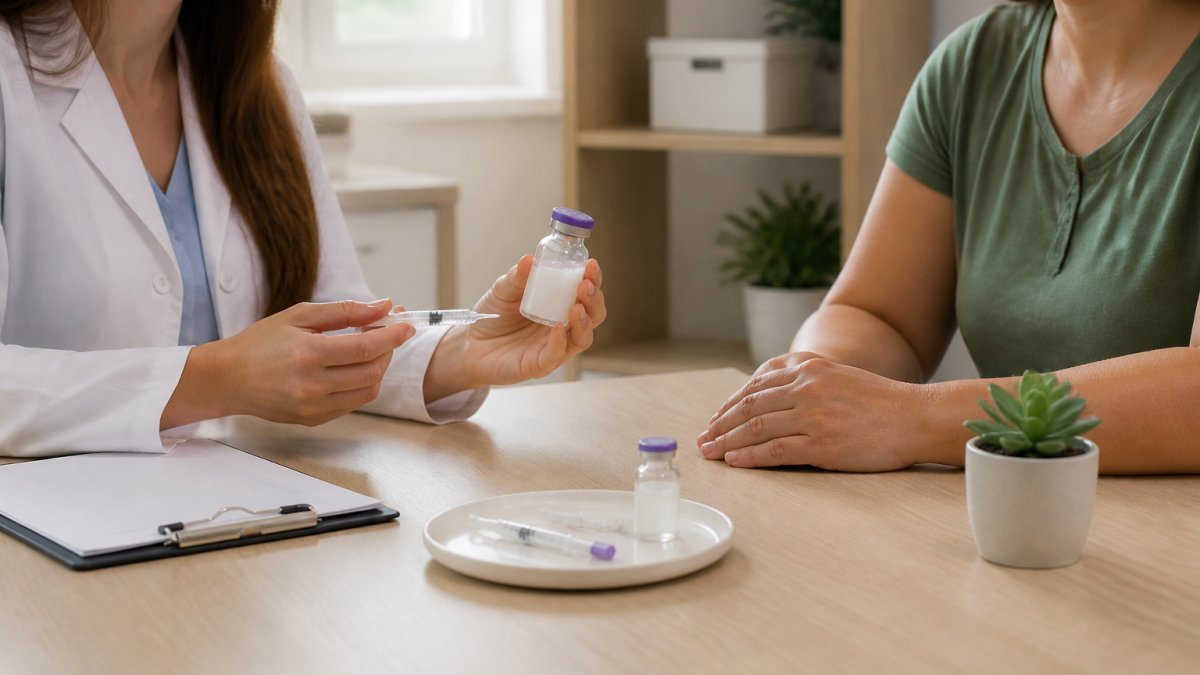
The 2026 Medical Protocol for PCOS Weight Loss outlines a comprehensive approach to choosing treatments with your physician. At MedShape Weight Loss Clinics, our board-certified physicians work with you to build a personalized plan and can walk through this framework with your history in hand. We offer FDA-approved semaglutide alternatives for 2026, including compounded tirzepatide, alongside nutrition counseling and ongoing metabolic monitoring. Our telemedicine services are available across all 50 states.
Frequently Asked Questions
Is tirzepatide better for PCOS than semaglutide?
Tirzepatide and semaglutide are both GLP-1 receptor agonists being studied for PCOS, but they work slightly differently. Tirzepatide also activates GIP receptors, which may offer additional metabolic benefits. Prescribing data shows tirzepatide for PCOS rose from 2.4% in 2021 to 17.6% in 2025. The choice between them depends on individual tolerance, response, and your doctor’s clinical judgment. Neither is FDA-approved specifically for PCOS, so treatment is off-label and personalized.
Can metformin for PCOS weight loss replace semaglutide?
Metformin is an established first-line medication for PCOS that improves insulin sensitivity and is associated with weight loss. It works differently than semaglutide, metformin targets blood glucose directly, while semaglutide acts on appetite and GLP-1 pathways. Metformin may be sufficient for some patients, especially those with mild insulin resistance. For others, combining metformin with lifestyle changes or adding a GLP-1 medication produces better results. Your doctor can help determine which approach fits your PCOS profile and weight-loss goals.
What are non-medication options for managing PCOS-related weight concerns?
Lifestyle changes are a cornerstone of PCOS weight management. Low-glycemic nutrition, regular exercise, stress management, and adequate sleep all improve insulin sensitivity and support weight loss. Some women see meaningful improvement in menstrual regularity and ovulation through lifestyle alone. However, many people with PCOS benefit from combining these changes with medication to accelerate progress and manage symptoms. A medically supervised program can tailor nutrition and exercise to your individual needs and monitor results over time.
Will semaglutide work if I have PCOS?
Semaglutide can help with weight loss and metabolic health in people with PCOS, but individual responses vary. Research shows that women with PCOS treated with semaglutide have experienced weight loss; some studies report losses exceeding 5% of body weight. However, not all participants respond the same way, and side effects like nausea may occur. Semaglutide is not FDA-approved for PCOS specifically, so it is prescribed off-label. A board-certified physician can assess whether semaglutide is appropriate for your health history and PCOS presentation.
PCOS treatment has evolved dramatically. The options available today, from compounded GLP-1 medications to precision lifestyle protocols, offer real hope for women who’ve struggled with this condition for years. Work with a physician who understands PCOS, who listens to your priorities, and who’s willing to adjust your plan based on how you actually respond. That’s how lasting change happens.