Skip to content


Last Updated: October 30, 2026
Quick Summary
Tirzepatide weight loss results come from a medication that acts on two hormone pathways involved in appetite and energy storage. In the SURMOUNT-1 trial, average weight reduction increased with dose over 72 weeks, while the placebo group lost far less. Results vary, so a physician should decide whether treatment fits your health history.
- Tirzepatide acts on both GIP and GLP-1 receptors, which is why it is called a dual-action treatment.
- In SURMOUNT-1, weight reduction was dose-dependent over 72 weeks.
- Some patients report fewer cravings and feeling full after smaller meals.
- Weight regain can follow discontinuation, so plan for maintenance from the start.
- Most common side effects are digestive, such as nausea, diarrhea and constipation.
Table of Contents
- Benefit 1: Substantial Average Body-Weight Reduction
- Benefit 2: Reduced Appetite and Cravings
- Benefit 3: Improved Blood Sugar Regulation
- Benefit 4: Favorable Changes in Blood Lipids
- Benefit 5: Dose-Dependent Results and Sustained Treatment
- Side Effects and Safety Considerations to Weigh
- Tirzepatide vs Semaglutide for Weight Loss: Which Fits Your Plan
- Frequently Asked Questions
Tirzepatide has become one of the most talked-about medications in the United States, and it is often considered for tirzepatide weight loss treatment. Patients can make informed decisions about whether it may suit them by reviewing how the medication works with a qualified clinician. (Source: clinical trial results published in the New England Journal of Medicine)
Tirzepatide is a prescription medication that acts on two hormone pathways involved in appetite, blood sugar and how the body stores energy. It works as a dual agonist for both GIP and GLP-1 receptors. Because it targets two pathways rather than one, it is often described as a dual-action treatment.

In practice, this means the medication can help reduce hunger and slow stomach emptying, which many patients notice as feeling full sooner. Clinical trial results reported in the New England Journal of Medicine describe weight reductions that increased with dose over a 72-week period, with the placebo group losing far less.
Results vary from person to person, and a physician should decide whether treatment is appropriate for your health history.
Benefit 1: Substantial Average Body-Weight Reduction
Clinical evidence points to meaningful average weight loss with tirzepatide. In the SURMOUNT-1 trial, tirzepatide weight loss results were reported at 72 weeks.
Weight reduction was dose-dependent in the reported results. Average changes were lower at the lowest doses and higher at the top doses.
Keep your expectations realistic. Average results do not guarantee an individual outcome, and the amount of weight lost depends on dose, adherence and lifestyle habits.
The SURMOUNT-1 results show how average weight reduction varied by dose over the trial period.
| Item | Value | Note |
|---|---|---|
| Trial | SURMOUNT-1 | Reported at 72 weeks |
| Weight reduction | Dose-dependent | Lower at lowest doses, higher at top doses |
| Expectation | Realistic | Average results do not guarantee individual outcomes |
| Key factors | Dose, adherence, lifestyle | Amount lost depends on these habits |
Benefit 2: Reduced Appetite and Cravings
Some patients report fewer food cravings and smaller portions once treatment begins.
Common ways this benefit shows up include:
- Feeling full after smaller meals
- Less interest in snacking between meals
- Fewer strong cravings for sweets and processed foods
Appetite changes are generally discussed alongside a balanced eating plan with a qualified professional.
Benefit 3: Improved Blood Sugar Regulation
Tirzepatide’s effect on blood sugar is one of its most clinically established benefits, and it is the reason the medication was first approved as a diabetes treatment before receiving a weight-management indication. Understanding how this benefit works, and how strong the evidence is, helps set realistic expectations.
How the mechanism works
Tirzepatide is a dual agonist for GIP and GLP-1 receptors. Both pathways influence glucose control, but they do so in complementary ways:
- GLP-1 receptor activation stimulates glucose-dependent insulin release, meaning insulin is secreted when blood sugar is high but not when it is already low. It also slows gastric emptying, which blunts the post-meal glucose spike.
- GIP receptor activation enhances insulin secretion and may improve insulin sensitivity in peripheral tissues.
- Together, these actions reduce fasting and post-meal glucose levels while moderating the glucagon response.
This is a different mechanism from simply losing weight. Weight loss itself improves insulin sensitivity, but tirzepatide’s glucose effects are partly independent of the number on the scale, which is why the medication is approved for type 2 diabetes regardless of body weight.
What the trial evidence shows
The SURPASS clinical trial program evaluated tirzepatide in adults with type 2 diabetes, reporting dose-dependent reductions in hemoglobin A1c, a measure of average blood sugar over roughly three months.
For people with pre-diabetes, the picture is more nuanced. Weight loss and improved insulin sensitivity can move glucose markers in a favorable direction, and some trial data suggest tirzepatide may reduce progression from pre-diabetes to type 2 diabetes. However, pre-diabetes management is not the medication’s approved indication, and individual results vary. Treat improved glucose control as a likely secondary benefit rather than a guaranteed outcome.
Realistic expectations and limitations
- This is not a substitute for diabetes care. If you have type 2 diabetes, tirzepatide should be part of a plan managed by a clinician, not a replacement for monitoring, diet, or other prescribed therapies.
- Hypoglycemia risk exists when combined with insulin or sulfonylureas. Tirzepatide on its own rarely causes low blood sugar, but combining it with medications that lower glucose independently can. Tell your provider about every medication you take, including over-the-counter products.
- Glucose benefits depend on continued treatment. A1c improvements observed during trials were tied to ongoing use; stopping the medication typically reverses much of the glucose benefit along with weight regain.
- Individual response varies by baseline A1c, duration of diabetes, and adherence. People with a longer history of diabetes or lower beta-cell function may see smaller improvements.
If you take insulin or a sulfonylurea, ask your prescriber whether your dose needs adjustment when starting tirzepatide. Do not change any diabetes medication on your own.
Clinicians often track A1c and fasting glucose before and during treatment so patients can see how their own bodies respond.
Benefit 4: Favorable Changes in Blood Lipids
Weight loss is not the only metabolic change researchers track. A 2023 review reports that tirzepatide is associated with favorable changes in blood lipids, including higher HDL cholesterol levels. Beyond Weight Loss: Added Benefits Could Guide the Choice review
Benefit 5: Dose-Dependent Results and Sustained Treatment
Most articles describe tirzepatide’s weight-loss results as a single headline number. In practice, the benefit is not fixed, it develops over time, scales with dose, and depends heavily on whether treatment continues. Understanding that trajectory is what separates a realistic plan from an unrealistic one.
Results build with dose and time
In the SURMOUNT-1 trial, weight reduction was dose-dependent across the 72-week treatment period. Participants on 5 mg, 10 mg, and 15 mg lost progressively more weight on average, and the 15-mg group reached an average reduction of about 20.9% of body weight. Two patterns matter for expectations:
- The curve is not linear. Most weight loss occurs in the first several months, then the rate slows as the body approaches a new equilibrium. Plateauing is normal, not a sign of failure.
- Titration takes time. Treatment typically starts at a low dose and escalates gradually to limit gastrointestinal side effects. Reaching a maintenance dose can take weeks to months, and the full benefit is not realized until then.
- Tolerability shapes outcomes. People who experience significant nausea or other side effects may stay at a lower dose longer, which can produce smaller average results. Adherence to the titration schedule and to lifestyle changes both influence the final number.
What happens when treatment stops
The most underdiscussed part of the tirzepatide conversation is discontinuation. Research discussed by Weill Cornell Medicine indicates that weight regain can follow discontinuation of tirzepatide. Weill Cornell Medicine News on tirzepatide and discontinuation
This is not a failure of willpower, it reflects the biology of appetite regulation. Tirzepatide works by modifying hunger and satiety signaling; when the medication is removed, those signals tend to return toward baseline. The practical implication is that tirzepatide is best understood as a chronic-treatment model, similar to blood pressure medication, rather than a short course you complete and stop.
Planning for maintenance from day one
A realistic plan addresses three questions before treatment begins:
- What is the target dose, and how will we get there? Your clinician should outline a titration schedule and a maintenance dose range based on tolerability and response.
- What happens at the end of the weight-loss phase? Some patients continue a maintenance dose; others taper with a structured plan that includes nutrition and activity support. Either way, the plan should be discussed in advance.
- What lifestyle habits are being built alongside the medication? Protein intake, resistance training, and sleep support lean mass preservation and make the transition off medication, if that is the goal, more sustainable.
Tirzepatide’s benefits are real but conditional: they grow with dose and time, and they largely depend on continued treatment.
Setting weight-loss and maintenance goals at the outset is a sensible part of planning treatment with a clinician.
Side Effects and Safety Considerations to Weigh
The most common side effects reported with tirzepatide involve the digestive system, such as nausea, diarrhea and constipation. Symptoms are often mild and may ease over time, but they can be uncomfortable.
Tirzepatide is not right for everyone, and people with certain medical histories should talk with a physician before starting. Do not stop or change your dose on your own without guidance from your care team.
Compounded medications differ from name-brand products, so ask your provider how your prescription was prepared and sourced.
Tirzepatide vs Semaglutide for Weight Loss: Which Fits Your Plan
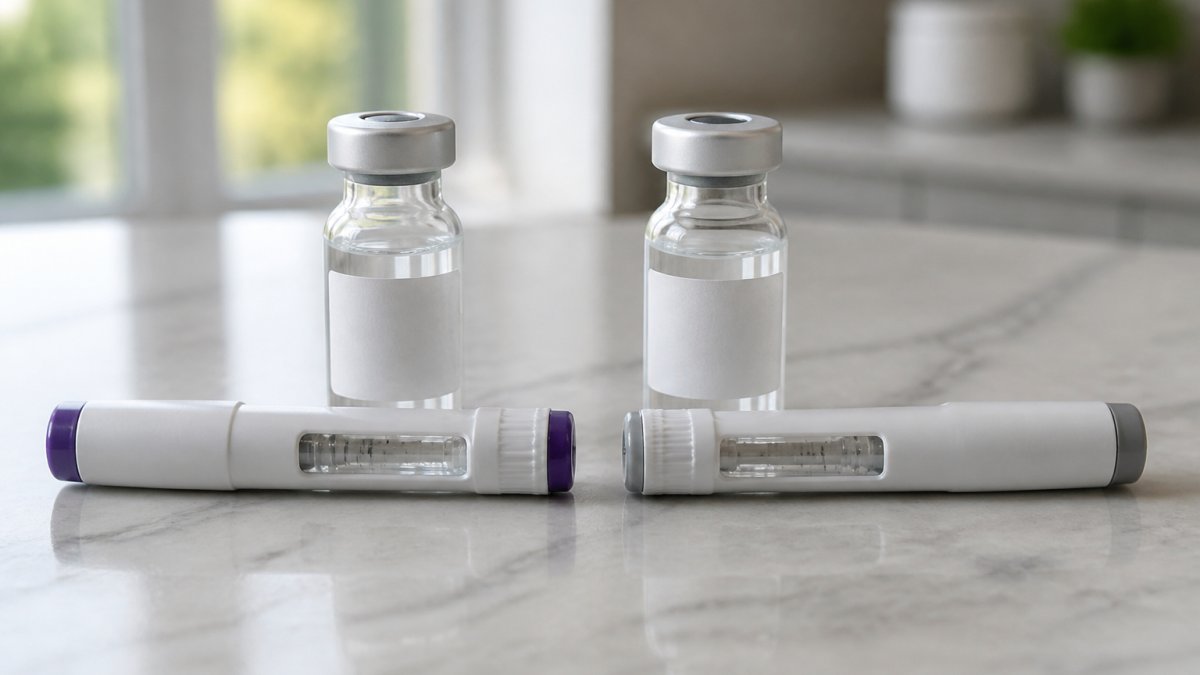
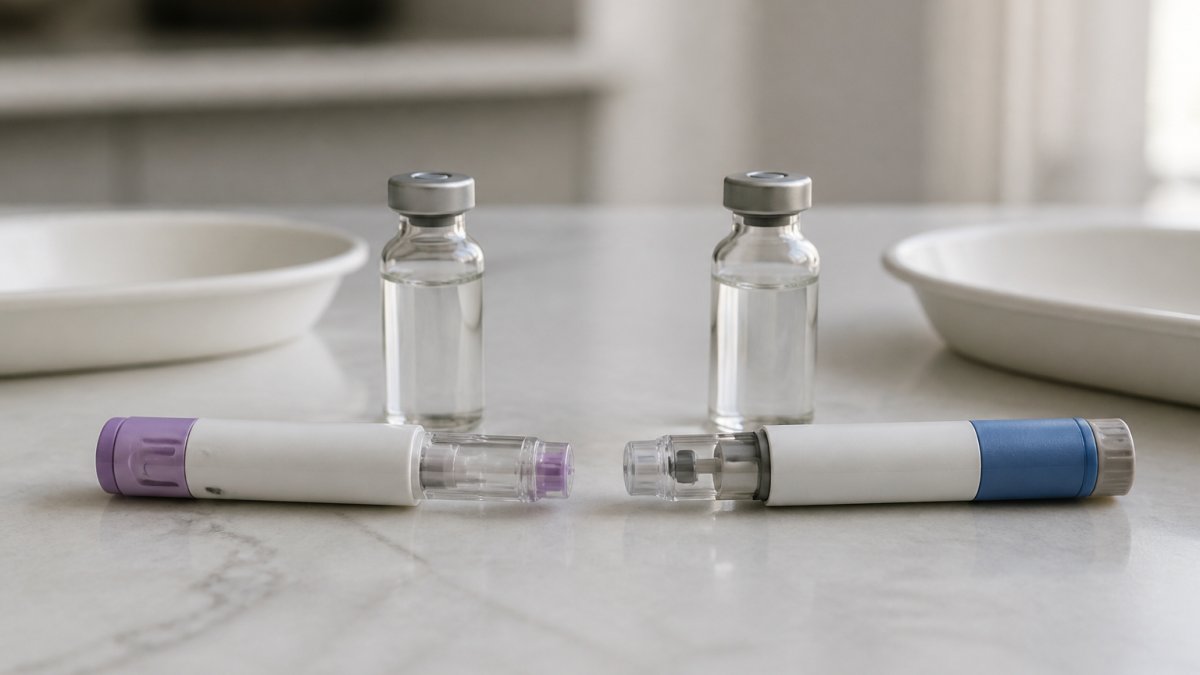
Tirzepatide and semaglutide are both injectable medications used for weight management. Tirzepatide acts on two hormone receptors, while semaglutide acts on one. Clinical comparisons vary, so the better fit depends on your health goals, medical history and how your body responds.
Pricing depends on the specific prescription and dosage, so contact MedShape Weight Loss Clinics for current pricing. A physician can help you compare options against your health needs. For more detail, see our [page:4] guide comparing both injections.
Frequently Asked Questions
What is the recommended dosing schedule for tirzepatide?
Tirzepatide is injected once weekly and is typically started at a low dose, then increased gradually over several months to limit side effects. The exact schedule depends on the individual, the prescribing physician, and the treatment goal, so the dose is set during a medical consultation rather than chosen by the patient. The clinical trials that reported weight loss used dose escalation to reach maintenance doses of 10 mg or 15 mg. Patients should follow the schedule their prescriber provides and report side effects early so the plan can be adjusted.
How much weight can you lose with tirzepatide?
In the SURMOUNT-1 trial, adults with obesity lost substantially more weight on tirzepatide than on placebo over 72 weeks, with results varying by dose. Individual results depend on dose, duration, diet, physical activity, and adherence, so these averages should be treated as expectations for a group rather than a guarantee for any one person.
What are the common side effects of tirzepatide?
The most frequently reported side effects in clinical use are gastrointestinal, including nausea, diarrhea, constipation, and vomiting, which are most common during dose increases. Symptoms often ease over time, but they can be significant for some people. Anyone with a history of pancreatitis, gallbladder problems, or thyroid conditions should discuss those risks with a physician before starting. Report persistent or severe symptoms to your prescriber promptly.
How long does it take for tirzepatide to work for weight loss?
Weight loss on tirzepatide typically builds gradually as the dose is increased, and clinical trial results were measured over 72 weeks. Many people notice appetite changes within the first weeks of treatment, while measurable weight change accumulates over months. Progress should be reviewed with a physician at regular intervals, and expectations should be based on the full treatment timeline rather than the first few weeks.
Ready to see whether tirzepatide fits your plan? MedShape Weight Loss Clinics offers physician-supervised programs customized to your health needs, with telemedicine services available across the country. Schedule a consultation to talk through your options with a board-certified physician.